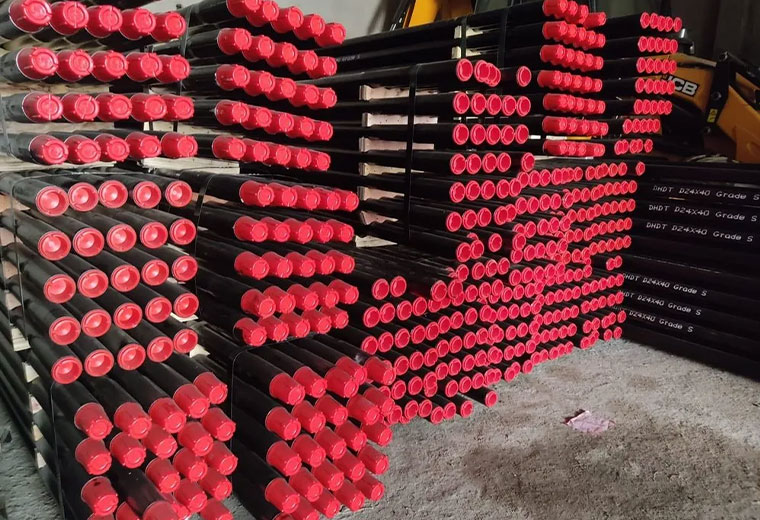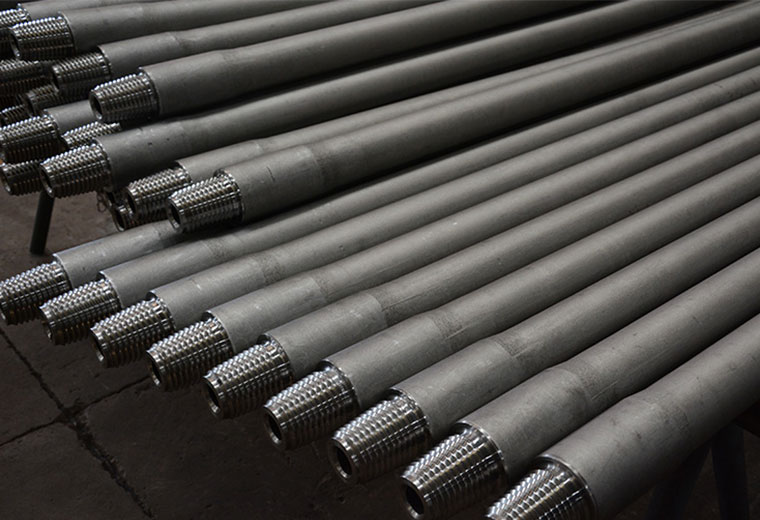
So here’s the deal. If you’ve been in the HDD game for more than a hot minute, you’ve probably stood in front of a stack of drill rods at one point or another and scratched your head, wondering if the premium ones are really worth that extra zero on the price tag. I know what that’s like. I do this for a living and that internal debate happens every time I quote a job.
This is the thing no one tells you when you start out: that shiny new standard rod looks just like the premium one next to it. Same colour. Same threads. Same small sticker. But at around 200 feet down a bore they start to reveal their true character. And believe me, they are not the same person.
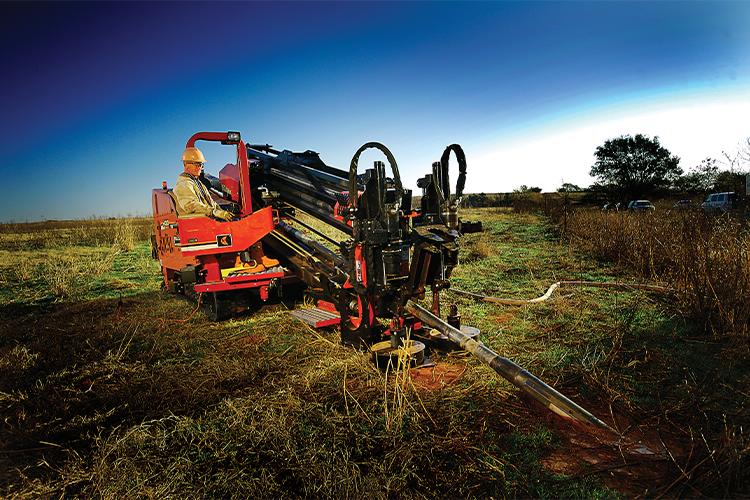
I want to talk about some things I’ve learned the hard way, both from my own screw-ups and from watching customers make decisions that six months later they either thanked me for or cursed me for.
The Day I Lost My Faith in the Spec Sheet
I recall a job I had when I was doing field support, before I went into sales. We had a crew running standard rods on a 400-foot river crossing. Crazy? Sandy soil, not crazy. The stock rods were rated for way more torque than we were putting through them, the spec sheet said. And so we were sure. Even cocky.
We started seeing the torque numbers climb around 250 feet. Not nuts, but enough to make you raise an eyebrow. Then we heard it—the awful squeak that tells you your threads are galling. We pulled the string and I swear the threads looked like someone had taken a grinder to them. It was a Tuesday. We had to wait for replacement rods to ship in so we didn’t finish that bore until Friday.
Here’s what the spec sheet didn’t say: standard rods are made from steel good enough. They heat treat them to get the numbers, but they don’t have the same fatigue resistance . If you’re in sandy soil and you’re spinning and pushing, those threads are taking a beating with every single rotation. The premium rods.” They’ve got a little more alloy in the mix, a little more love in the heat treat, and that extra cost is basically your insurance policy against having a really, really bad week.
The Math No One Does Undercover
Okay let’s talk money because I know that’s what you really want to know. You will have to pay 30, 40 or even 50 percent more for a premium rod than for a standard one. That extra upfront cost is a punch to the gut if you’re running a small crew. Got it. I have to sell these things to guys looking at their bank account and sweating.
Here’s the math I do with my regular customers. Take that 400-foot river crossing. Standard rods—say you get 80,000 feet of drilling out of them before they start showing stress cracks or the threads start getting sloppy. premium rods on the same rig, same operator, same ground – I’ve seen them go 150,000 feet and still clean up like they’re only halfway through their life.”
Now you are buying two sets of standards for each set of premiums. Plus you pay for shipping twice. And you pay for down time twice. Plus you’re paying for the extra tooling you wore out because the rod flex was throwing your mud motor off axis. It adds up quicker than you think.
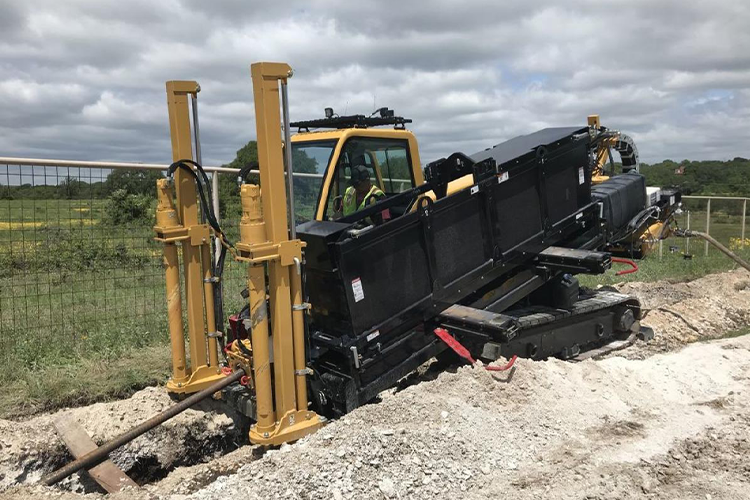
One of my older customers, this guy in Texas who runs a small two-rig operation, used to only buy standard rods. He said, Cheap up front. Eventually he went to premium after a job went sideways on a highway bore and he told me a few months later “I was spending more money replacing my cheap rods than I was on diesel and that’s saying something.”
The real difference is in your hands
Put a standard rod and a premium rod on a bench side by side and you might not be able to tell the difference. But if you run your hand down the root of the thread, carefully, don’t cut yourself, you will feel it. The premium rod has a finer and more uniform finish. It’s not only for show. That’s where all the stress from each pull-back comes together.
The manufacturer keeps costs down by using a rougher finish on standard rods in those critical areas . And when you’re spinning at 180 RPM and pulling back with 40,000 pounds of force, every little imperfection is a place for a crack to start.
I also notice a huge difference in how the rods deal with heat. When you push hard, the friction on the threads generates heat. Standard rods – they get mad faster. The steel actually alters structure at a lower temperature than the premium grades. You pull out standard rods and see heat discoloration on the threads and that’s your warning sign right there. Once they’re discoloured, they’re on borrowed time.”
The “Good Enough” Trap
This is where I think guys get in trouble. They buy standard rods because it looks easy. soft clay, short bore, what can go wrong?
I’ve done that, look. “I’ve had a crew go into a clay job with standard rods and everything goes beautiful. Then the next bore is in the same area but someone changed the design and now you’re going 50 feet deeper so you’re in sand and cobble you didn’t plan for. You keep doing the same old thing, using the same old standard rods because they worked last time.
But you’re in ground twice as abrasive, running twice the mud pressure and them rods that made it through the clay job are already showing signs of stress after one shift.” And you can’t stop part way through a job and order a whole new set of premiums.
The premium rod is not only for the hard jobs. It’s for every job because you don’t know what’s down there until you are already drilling. It’s like wearing a seatbelt, you don’t wait until you know you’re going to crash to strap in. You wear it all the time.
One thread, one disaster.
I have this story I tell every new customer that tries to get the price down. I had a guy buying standards from me, nice guy, running a big operation in the Midwest, and he was always on the fence about upgrading. One day I rang him up to see how he was getting on and he told me about a job that had gone badly wrong.
Dropped a rod about 300 feet in a bore under a four lane highway. Thinned threads. The rod came free from the string and they had to fish it out – which took three days and cost him more in lost time than the whole set of premium rods would have cost up front. And the worst part? It wasn’t just one thread failure. The standard rods had micro-cracks from previous jobs and this particular bore just happened to be the one they gave up on.
That week he ordered a full set of premiums from me. He said, “I could have bought two outfits with what this one fishing job cost me. And that’s where he stopped looking at the price tag and started looking at the total cost of ownership.
When Standards Are Meaningful
Let’s be real here, I’m not trying to sell you the most expensive thing on my price list. Sometimes good old standard rods are just fine. If you are doing short bores in consistent, soft ground, and you’re not running high torque or high pullback, and you have good mud flow, standards can be a perfectly reasonable choice. I’m not going to tell you to go buy a Ferrari to drive two blocks to the grocery store.
For my smaller customers who are just starting out, renting a rig, doing small residential work, I tell them that standard rods are a way to get your foot in the door without a big capital hit. Just know that you are trading up-front savings for future replacement costs. And that’s a trade off that you get to decide.
But if you’re a regular player, running big diameter pipe, doing long bores or working in areas where you can’t afford downtime, the premium rods pay for themselves in one or two jobs and everything after that is bonus.”
The Maintenance Piece No One Wants to Talk About
Now this is where I get a little preachy, but I’ve earned it. You can buy the best rods in the world, but if you don’t look after them you’re wasting your money. I’ve seen guys buy expensive rods and treat them like sh*t and complain they didn’t last.
Clean the threads off. Use a good thread compound. Verify your torque. Don’t pull too hard. The rod is a tool, not a wand. And if you take care of your rods, if you clean them and inspect them after each job, those premium rods will outlive standards by a ridiculous margin.
My customer has been using the same set of premium rods for over 5 years. He’s had two rigs since then but the rods are still going strong. What is his secret? He loves his threads like he loves his truck. And frankly it shows in his bottom line.
Is it worth it?
That’s my honest opinion after five years of selling these things and watching them come back to the shop in various stages of destruction. If you are asking the question, you already know the answer. If you’re reading this, you’re already doing your homework, which puts you ahead of the guys who just buy the cheapest thing on the shelf.
Premium rods are an investment. I mean it’s literally a heavy metal pipe, they’re not the sexiest thing you’ll buy but they’re the backbone of your operation. They are the connection between your rig and your bottom line. And when viewed that way, the additional cost becomes less of an expense and more of a decision you make and then move on from.
I am not here to say that the normal rods are rubbish. They belong there. But I tell all my regulars the same thing: if you buy cheap, you buy twice.” And if you buy premium, you buy it once, you treat it right and you spend your time worrying about the bore, not about your rods snapping 400 feet from the entry.
That’s the trade off. And only you know what your time costs.
A Quick Note Before You Leave
If ever you feel indecisive, contact me. I’m not the typical sales guy that’ll just push you to the highest price, I’ll ask you what you’re drilling, what your rig is, what your experience is on your crew and I’ll give you a straight answer. Sometimes the answer is to “go standard.” Sometimes it’s “spend the extra now and thank me later.”
But, if one day you show up at my door with a broken rod in your hand, and a face that says, “I should have listened,” I reserve the right to give you a little “I told you so.” Friendly, obviously. Over a coffee. I will help you order the right stuff this time.
Drill safe, drill smart and for the love of all that is holy, grease your threads.
Keep boring smart
By Frank
HDD Engineering Sales
RICHDRILL EQUIPMENT CO.,LTD
Share :
Recently Released
- Richdrill HDD What Products Do They Make? A No-Nonsense Guide from a Guy Who Sells Them
- How Many HDD Drill Rods in a 20ft or 40ft Container? An Honest Answer from a Factory Guy
- How to Detect Fake HDD Drill Rods Before They Fail Downhole
- How Stabilizers and Reamers Add Stress to Your HDD Drill Rods (And What You Can Do)
- When to Scrap Your HDD Drill Rods: OD Wear, Wall Thinning and Ovality Limits