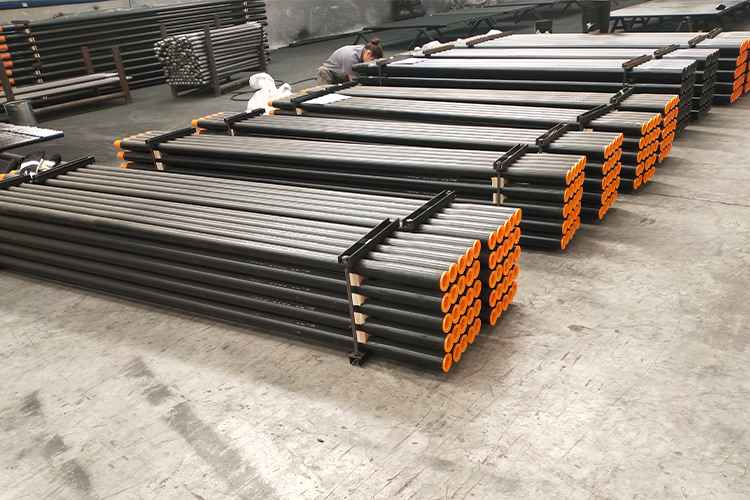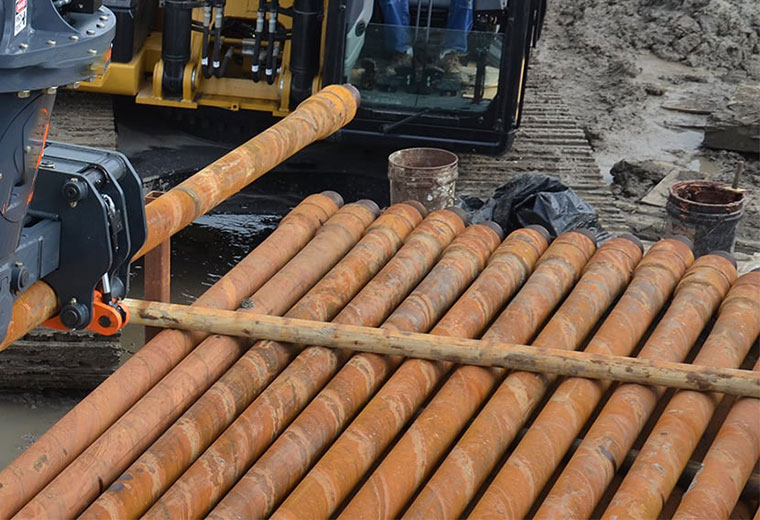
If you have played this HDD game for more than a minute, you’ve had that conversation with yourself at 2 a.m. looking at a pile of worn-out drill rods; “Why on Earth did I buy all of these?
Or, worse, you’re three days into a municipal job, your rods are singing the death song (you know the high-pitched squeal I’m talking about), and your local rental house is already closed for the weekend.
I’ve walked in your shoes. Two sides of the same coin.
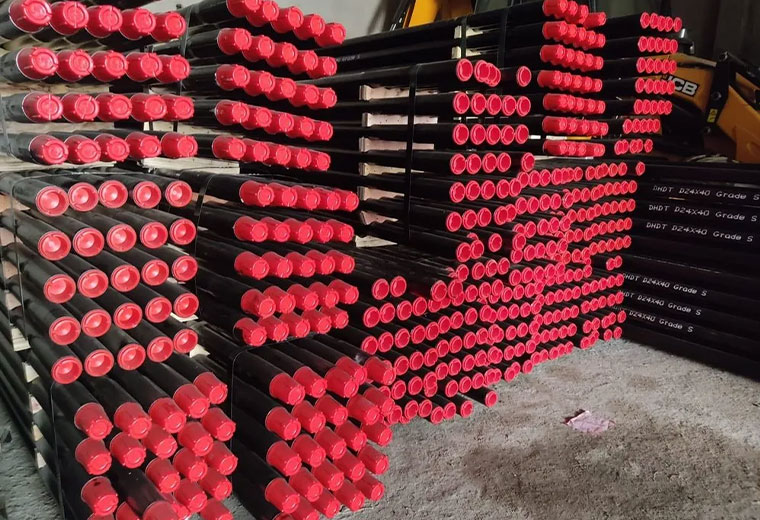
For the past five years I’ve been the guy at the factory who has to bring you the bad news – and the good news – about your rod inventory. I’ve watched contractors go under because they financed a fleet of rods they didn’t need, and I’ve watched small crews punch way above their weight class because they rented smart.
So, let’s get a coffee (or something stronger, no judgement) and walk down this mess together. Should you buy that shiny new string? Or just rent it when the job calls for it?
The Reality Check of “I Bought It, Now I Own It”
Let me tell you about my friend Dave. Run five man crew in Texas. Mostly fibre optic installations A couple of years ago he picked up a big state highway job, a 1200′ cased bore under an active roadway. His present rods were 2 inch, but the spec called for 2-3/8”. So being Dave the go-getter that he is, he did what we all do, maxed out his line of credit and bought a whole new string of 2-3/8” rods. Best of the best. Threads of premium The works.
He felt like a king for a good three weeks.
Then the highway job was done. And you know what? For the next eight months every other job was back to 2-inch work. Those nice expensive new rods sat in the pipe rack, gathering dust and surface rust. Meanwhile he was paying on them, plus interest, while they weren’t making a dime.
It was his “Aha” moment. Not a happy one.
Here’s the dirty secret no one at the rental counter tells you: Ownership is not about the purchase price; it’s about the utilisation rate. If you’re not throwing that rod 60-70% of your working days you’re not owning it, it’s owning you. You’re paying to store it (even if it’s just yard space), you’re paying insurance on it and you’re paying to watch it depreciate.
When Renting is the Smart Choice (and When it Can Cost You)
Now, I’m not against renting. Not at all. I actually recommend rentals in some situations and I’ll tell you the honest truth, it hurts my factory sales when I do, but I’d rather keep you in business than sell you one big order.
Your best friend when you rent is:
This is a one time job. That weird 1,200-foot river crossing of giant rock? Hire the heavy-walled rods. You don’t want that kind of abuse in your permanent inventory.
You’re trying a new market. Want to try directional drilling for utilities instead of your normal water well work? Rent a mid-range string and see if you like it before you spend $20-30k.
Your cash flow is like a roller coaster. I know. February is a lean month. Don’t tie up working capital in rods when you need that money for payroll or fuel.” Rent that one job, invoice the customer, move on.
But here’s the kicker—the part that keeps me awake at night.
Another customer I had, let’s call him Mark. Mark rented a string from a big national chain for a critical 500-foot bore under a railway. The rental rods looked… alright. They were a little worn, but hey, cheap. Day two, he gets a twist-off at 300 feet. Fishing job, three days. Rail access charges? Don’t even go there.
When he finally returned the rods to the rental yard they tried to blame him for the failure. Said he overtightened it. She billed him anyway for the broken rod and also for a “cleaning fee” and a “handling fee.” He paid more in penalties and rental extras than he would have paid if he had bought a new set outright.
That’s the rub. Rental rods are like rental cars everybody drives them like they stole em. You don’t know how many times that thread has been stabbed, how many hours of fatigue are in that steel, or if the last guy ran them dry with no mud. You’re betting your bore and your reputation on somebody else’s maintenance schedule.
The Quiet Expenses That Will Catch You Off Guard Okay, let’s get nerdy for a moment. I swear I won’t make it painful.
When you buy new rods from a reputable factory (yes, like mine, but hear me out) you get a fatigue life. You know the metallurgy, you know exactly how many foot-pounds of torque they’ve been rated for. You can see how they are used. You know when to let them go before they crack.
When you rent? You’re taking a chance with steel.
But here’s the thing that most contractors totally overlook: Thread wear compatibility.
If you buy a set of rods and are careful with your make-up torque, those threads will over time marry up to each other beautifully.” They “break in” together. It’s like a good hand shake.
When you lease, you’re mixing and matching. You get a box of rods that have been mated to a dozen different drill rigs, with a dozen different operator habits. That mismatch creates galling, it creates stress risers, and it shortens the life of your expensive tooling (like your reamers and your bit subs) dramatically. I’ve seen guys save $500 on a rental and then spend $3,000 replacing a ruined sub that got cross threaded.
My Golden Rule (After 5 Years Of Watching This Unfold)
If you ask me, and since you are reading this I am going to assume you did, here is my personal rule of thumb that I give to every contractor that walks into my shop:
Buy your bread and butter sticks. Rent your “unicorn” rods
What do I mean by that?
If you’re a contractor doing 70 percent of your work in the 300-600 foot range, in moderate dirt, with 2-3/8″ pipe…buy that string for God’s sake. Claim it. Love it. Call it what you will. you will be using it every single week, and the cost per use drops to pennies. That purchase is an investment in your regular practice. You know how these rods work, you know the mud flow, you know the bend radius. That’s the gold.
But what if a bid comes across your desk for a 1,500-foot bore through shale, and you typically only do 400-foot sandy jobs? Rent that string of heavy-wall speciality length. Don’t waste $40,000 on steel you’ll use twice a year. Pay the rental fee . Build it into your bid as a “specialized equipment surcharge” (customers will pay it if you explain why). Give the rods back when you’re done. Let the rental house take care of the storage and the wear and tear on that weird inventory.
The Tax Man Cometh (The Boring But Necessary Part)
We need to talk about money, because that’s really what this decision is about.
I’m no accountant, but I’ve had enough coffee with mine to know the basics.
Buying: You get to write off that asset over several years. That’s a capital cost. That is a nice little tax shield, I won’t say no. But you also have to carry that asset on your books, which impacts your borrowing power should you ever need a line of credit.
Leasing: It’s a pure operating expense. You write the check, you deduct it from the revenue of that job, and you go on with your life. No depreciation schedules in the long run. No ” salvage value ” to worry about when the rods are finally worn to nubs .
But here’s the part that really grinds my gears: A lot of guys see the rental receipt and say, “Well, that’s $2,000 I’ll never see back. And they look at that as wasteful. But they don’t factor in the opportunity cost. If you spent $30,000 on rods, that’s $30,000 you didn’t spend on a new mud pump. Or a second setup. Or a down payment on a parcel of land for your new yard.
Money is a tool, just like a drill. Use it where it can do the most good. That’s ownership sometimes. Sometimes it’s in the liquid.
A Small Insider Secret From the Factory Floor
I work at the factory so I get to see the returns. I see the warranty claims. And I can tell you that the number one killer of premium drill rods, it’s not rock, it’s idle time.
Rust. Pitting. Corrosion from mud remaining inside the pin. If you buy rods and they sit for six months between jobs you are actually shortening their lifespan faster than if you simply rented them fresh for each job.
So if you buy, you have to commit to maintenance. You have to flush them right away. You have to re-lube the threads properly again. You have to check after every bore. If you’re the kind of operator that just wants to set it and forget it, honestly? Lease. Save yourself the pain.
Are you the kind of guy who spoils his equipment and knows the thread size of every sub by heart? Purchase. A well kept string will give you 10,000 feet of bore. I have seen it.
So, what is my last opinion? (For What It’s Worth)
So this is what I would do if I was in your boots tomorrow:
Grab your job forecast for the next 12 months. Not your dreams. Not your dream.” The actual bids you are going to make. Count how many of those jobs can use the same diameter and wall thickness. Buy that size if it’s more than 50% of your projected revenue.
For the other sizes, use the “two-strike rule.” If you only run a certain size rod twice a year it is a rental. Period. Don’t argue with me even.
If you’re a new startup with a shiny rig and a prayer? Rent for the first 6 months. I really mean it. Before you buy, find out what you really need. I’ve seen too many new guys finance a whole set of rods and go under before they paid off the first truck. Learn to rent. Buy to go up.
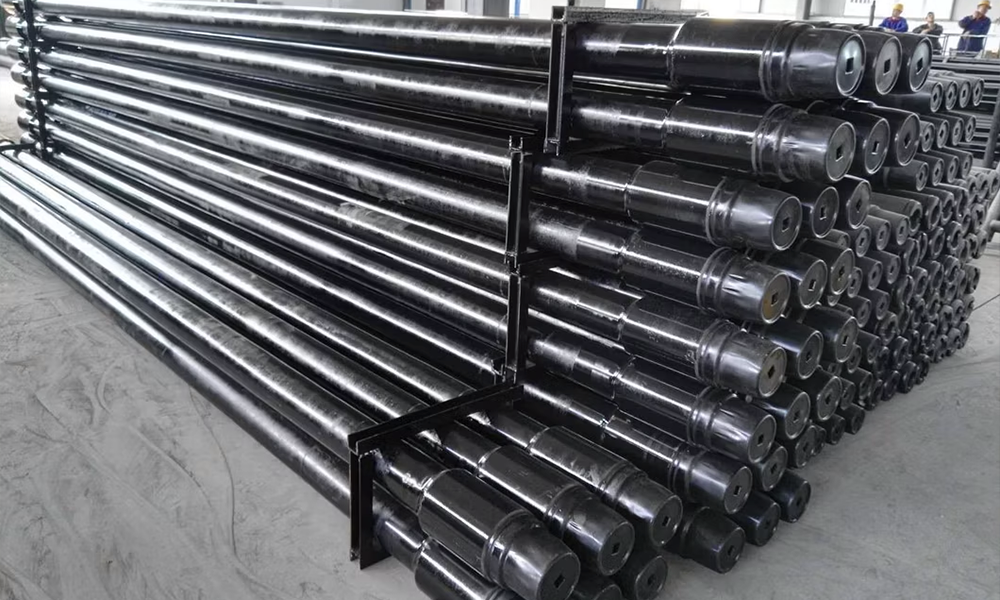
Look, I peddle rods for a living. My job is because people buy things. But I would rather sell you one string every three years that you take care of, than sell you a new string every year because you bought the wrong one for the wrong reason and ruined it.
If you ever call me up and say, “Hey, I’m looking at this weird job, should I buy or rent?” I’m not going to give you the sales pitch. I will enquire about your usage, your cash flow and your risk tolerance. Because that’s what really matters.
Now go look at your pipe racks. If you see rust, kick yourself. Have rods that haven’t moved for 6 months? Call your rental house and ask what they’d give you on them on trade.
How about a horror story of a rental rod that snaps on you? Next time we meet, buy me a beer. I’ve got a dozen of my own, and I’ll bet you mine are worse.
Keep those threads clean, and drill safe,
Keep boring smart
By Frank
HDD Engineering Sales
RICHDRILL EQUIPMENT CO.,LTD
Share :
Recently Released
- Richdrill HDD What Products Do They Make? A No-Nonsense Guide from a Guy Who Sells Them
- How Many HDD Drill Rods in a 20ft or 40ft Container? An Honest Answer from a Factory Guy
- How to Detect Fake HDD Drill Rods Before They Fail Downhole
- How Stabilizers and Reamers Add Stress to Your HDD Drill Rods (And What You Can Do)
- When to Scrap Your HDD Drill Rods: OD Wear, Wall Thinning and Ovality Limits