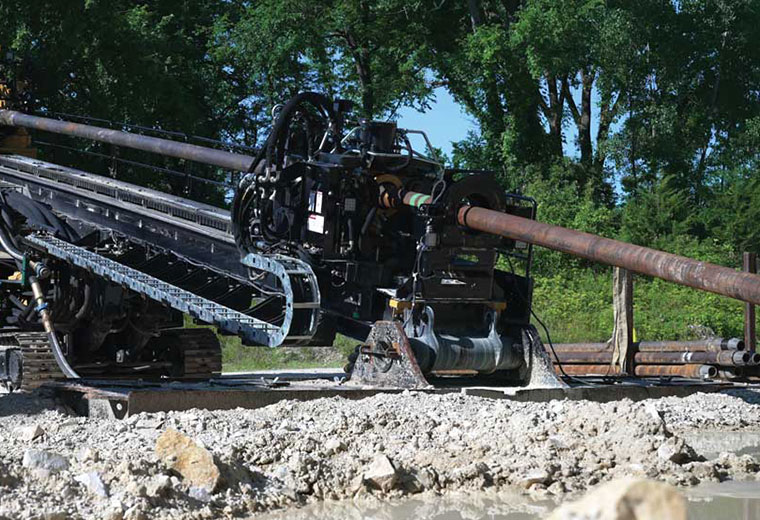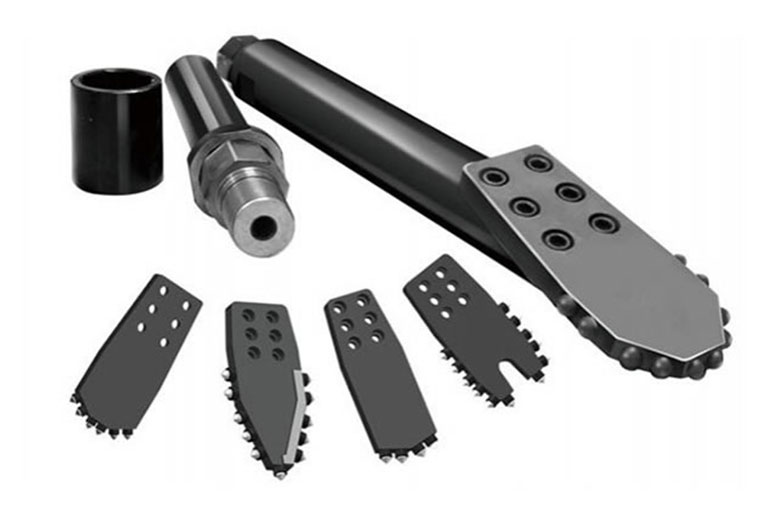
Your friendly neighbourhood drill rod guy here once again. I’ve been working in the trenchless world for about five years, at a factory that makes HDD tooling and rods. And, honestly? I remember the early days when I had no idea why one drill rod cost twice as much as another.
So grab a coffee (or a beer, no judgement) and let me tell you a little story about the day I finally ‘got it’ on rod pricing.
A few years ago, I got a call from a customer who was really frustrated. He’d just snapped a brand new “cheap” rod on a 200-foot bore. The job wasn’t even hard, it was just sandy clay, nothing crazy. He sent me a pic of the break. The steel seemed… grainy, like a bad candy bar. And the threads? Chewed up.
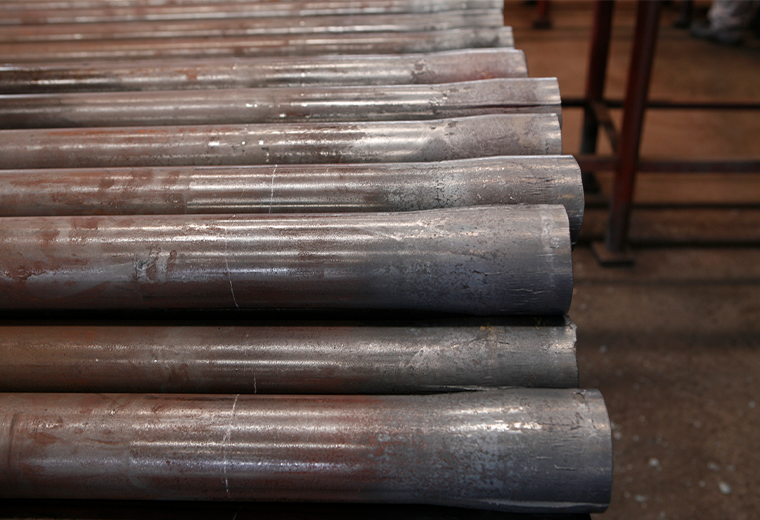
“Why did this piece of junk fail on day one?” he asked me.
That was when I had the light bulb moment. It was not “cheap or expensive.” A whole messy list of things go into actually pricing an HDD drill rod. And most people don’t think twice about them till something breaks.
So here’s what I wish I’d known then.
The steel itself – not all alloys are the same
You will see a lot of rods marked “4130” or “4140” or “4150” alloy steel. Pretty swanky, huh? But here’s the kicker – the source of that steel matters a lot. Some factories use cheap recycled scrap, God knows what’s mixed in. Others use virgin, certified steel from mills that actually test their stuff.
I remember my boss at the factory going over our incoming steel inspection with me once. He pointed to a test report and said, “See this? The cheap guys skip this step. That report cost money – but it also meant our rods wouldn’t become pretzels under tension.
So when you see a rod that is 30v/s.
30v/s.60 , ask yourself where is the steel from? If they can’t tell you, run.
Heat treatment – the hidden devil
This one took me years to really get. Oh man. You can have the best steel in the world, but if the heat treatment is sloppy, the rod will be either too soft (bends like a wet noodle) or too brittle (snaps like a cracker).
A good heat treatment line isn’t cheap – furnaces, quench tanks, tempering cycles, the works. Some cheap rod makers skip the tempering altogether, or do a half assed “induction” that only hardens the surface. The core remains soft.
One time I had a no-name brand drill rod that literally bent under it’s own weight after a few pulls. That was my “ah‑ha” moment: you can’t fake metalurgi.
Threads and Connections – The Real Work Horses
Here is where you spend a lot of your money. A good rod has precision machined threads, not just a fast cut on a cheap lathe. “We’re talking cold forming, heat-treated thread roots and a design that actually transmits torque without eating itself alive.
Cheap rods? They have wide tolerances. You screw them together and they have a little wobble. That wobble becomes friction, friction becomes heat, heat kills threads. Then you’re hanging in the ground with a poor connection and a really bad day.
One of my customers told me he used to change threads on cheap rods after every third job. Each. Thirdly. Work. I’ve seen good rods go 50+ bores with the original connection as well. Do the math on cost per foot. Not even close.
Straightness and quality control
This one’s savage but boring. “Check each rod for straightness. Cheap factories don’t do that. So you have a rod that’s a little bowed. You spin it under load and it starts to whip – that vibration tears up your drill rig bearings, your downhole tools and your sanity.
I remember one time pulling a string of cheap rods and the whole thing looked like a snake doing the cha-cha. No kidding. That’s when I learned you pay for being straight whether you want to or not. You either pay that cost upfront in the price you pay or pay it later in expensive downtime and repairs.
The “invisible” stuff – coatings, packaging, inspection
I’m not trying to sell you gold-plated drill pipe, you know. But a good anti-rust paint? That’s important when you keep rods outside. Proper end caps to protect threads during transit? This is important if you open the box and the threads don’t look damaged. Every batch with a magnetic particle test? This will stop cracks from wrecking your bore.
Cheap rods are often found in a bare steel wrapper, threads chipped, no paperwork. 20ontherod,thenspend200 on a fishing job. I’ve seen it happen time and again.
The real “price” you are paying
Here’s what I think, after 5 years of selling and using this stuff. When you see a cheap drill rod, don’t see the cheap price. See the risk, the chance of a snap, the hours of fishing, the pissed-off crew, the customer who won’t call you back.
And when you see a top rod? That price is buying peace of mind. It’s buying you a thread that won’t chafe on the 40th time you wear it. It’s buying you a steel that bends a little before it breaks so you get a warning instead of a catastrophe.
Does this mean you should always buy the most expensive rod? No. That’s dumb as well. You don’t need an F1 tyre for a shopping cart. Match rod to ground conditions, and your rig’s torque.
But when you’re comparing quotes, don’t just look at the price column. Ask the supplier, “What grade of steel? What heat treat cycle? What thread spec? Do you do 100 percent? If they give you funny looks, walk away.
One more story – and then I’ll be quiet
A few months ago I got a phone call from a long time customer of mine. He’d just completed a 500-foot bore in mixed cobble, nasty stuff. His old cheap rods would have snapped 3 times over by now. He used a set of our mid range rods, did them right (clean threads, proper torque, all that boring stuff), and they looked almost new.
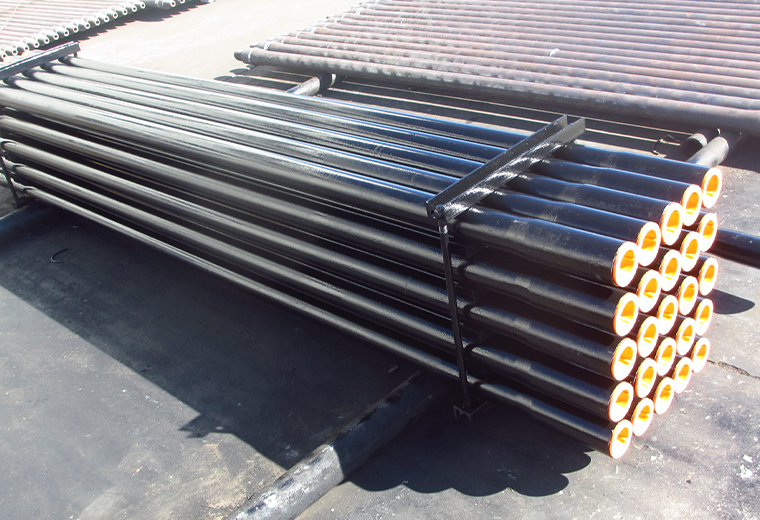
“You know,” he said, “I used to think a drill rod was just a pipe with threads. Now I understand.”
That’s the moment, right there. That’s why I still love the job.
Yeah. Cost matters. But to understand why the price is what it is? That’s what saves your ass on a Friday afternoon with a stuck drill string 200 feet down.
Thanks for reading Go drill some holes – keep your rods straight.
Keep boring smart
By Frank
HDD Engineering Sales
RICHDRILL EQUIPMENT CO.,LTD
Share :
Recently Released
- Richdrill HDD What Products Do They Make? A No-Nonsense Guide from a Guy Who Sells Them
- How Many HDD Drill Rods in a 20ft or 40ft Container? An Honest Answer from a Factory Guy
- How to Detect Fake HDD Drill Rods Before They Fail Downhole
- How Stabilizers and Reamers Add Stress to Your HDD Drill Rods (And What You Can Do)
- When to Scrap Your HDD Drill Rods: OD Wear, Wall Thinning and Ovality Limits