You know that moment when you’ve been doing something for years and think you’ve got it all figured out, and then—BAM—reality hits you in the face?
Three years into my job at the drill rod factory, I had one of those moments. And to be honest? I still feel bad about it.
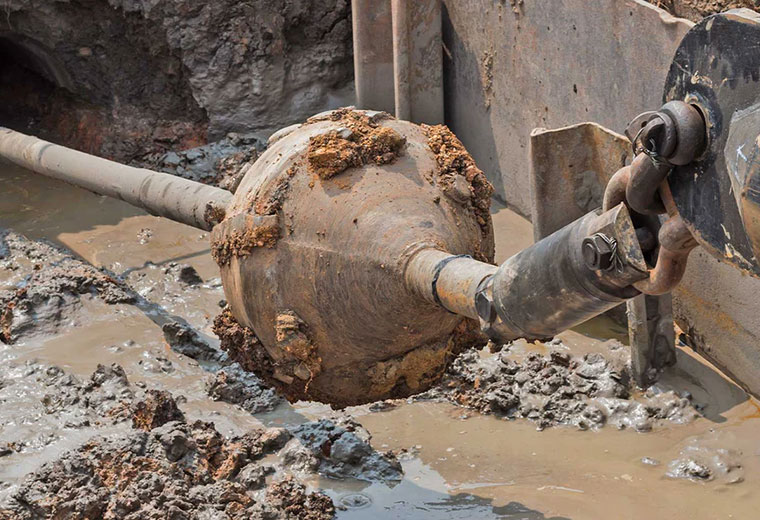
So I’m at the site with this contractor, right? We’re standing next to his rig, and he’s showing me these drill rods that look like they were in a fight. Everywhere there are rust spots. The pits are so deep that they look like someone used a chisel on them. And he’s looking at me like I’m the one who sold him broken junk.”These are supposed to be resistant to corrosion, right?” he asks.
And I, the eager sales guy who knows the specs by heart, nod my head in agreement. “Of course. Coating that is special. You’re fine.”
I was so wrong, bro.
The Moment That Made Me Feel Stupid
Three months later, the same guy calls me again. The rods? They broke. Mid-shot. Now we both have a six-figure problem and a very unhappy customer to deal with.
It turns out that I had convinced him that our rods were basically immune to rust. My brain turned “corrosion-resistant” into “rust-proof.”
Breaking news: There is a huge difference.
Drill rods in HDD have to work in a terrible place. You do have water, though. But also drilling fluids that have a wide range of pH levels. Sometimes you’re punching through dirt with random chemicals. And what if you’re close to the coast? The salt air is like a bunch of tiny enemies that are always attacking your steel.
What I Really Learned (The Hard Way)
After that disaster (and yes, we made it right for the customer, but I’m still embarrassed), I went back to our engineers and said, “Hey, what’s the real story here?”
This is what they told me, and this is what I tell everyone who asks:
Things in the ground don’t last forever. That’s it. If someone says their rods will never rust, they are either lying or crazy.
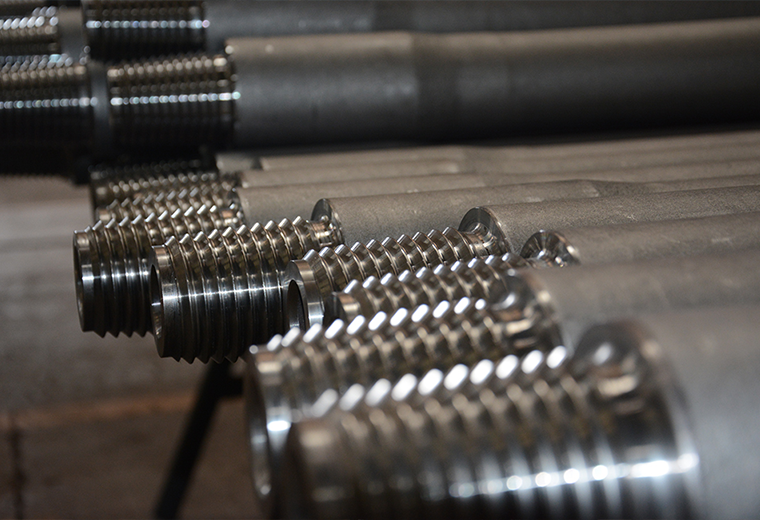
We can slow down corrosion a lot. The steel in our better rods has chromium in it, which isn’t enough to make it stainless, but it does help. The areas that were heat-treated actually make this natural oxide layer that fights back a little. And yes, coatings help, but here’s something that no one tells you:
Coatings only work if they don’t get scratched.
And in HDD, everything scratches everything else. It’s like a fight between rocks going on underground.
The “Wait, Really?” Finding out
When I learned this, it blew my mind: sometimes the worst corrosion happens inside the rod, not outside.
We pay too much attention to what’s going on on the surface and forget about the mud and water that are still there after a job. If you don’t blow those rods out completely before putting them away? That moisture is having a great time in there. I’ve seen rods that looked fine on the outside but were basically rotting on the inside.
When customers ask about corrosion resistance, I now ask them, “How are you storing your rods?” Because, to be honest? That is more important than any coating or treatment.
What I Tell Customers Now: I keep it real:These rods will resist rust better than cheap ones because the steel is better and the heat treatment is done correctly. But what if you leave them in a puddle for six months? They will rust. What happens if you don’t clean out the mud? They’re going to rust from the inside out. If you work in places with saltwater? After that, rinse them. “Take care of them.”
Most contractors like it when you are honest. The ones that don’t? They’re the ones who usually call me six months later with problems.
So, yes, HDD drill rods do have some built-in resistance to rust. But they’re not magic. They’re tools. Do what they say.
Keep boring smart
By Frank
HDD Engineering Sales
RICHDRILL EQUIPMENT CO.,LTD
Share :
Recently Released
- Richdrill HDD What Products Do They Make? A No-Nonsense Guide from a Guy Who Sells Them
- How Many HDD Drill Rods in a 20ft or 40ft Container? An Honest Answer from a Factory Guy
- How to Detect Fake HDD Drill Rods Before They Fail Downhole
- How Stabilizers and Reamers Add Stress to Your HDD Drill Rods (And What You Can Do)
- When to Scrap Your HDD Drill Rods: OD Wear, Wall Thinning and Ovality Limits