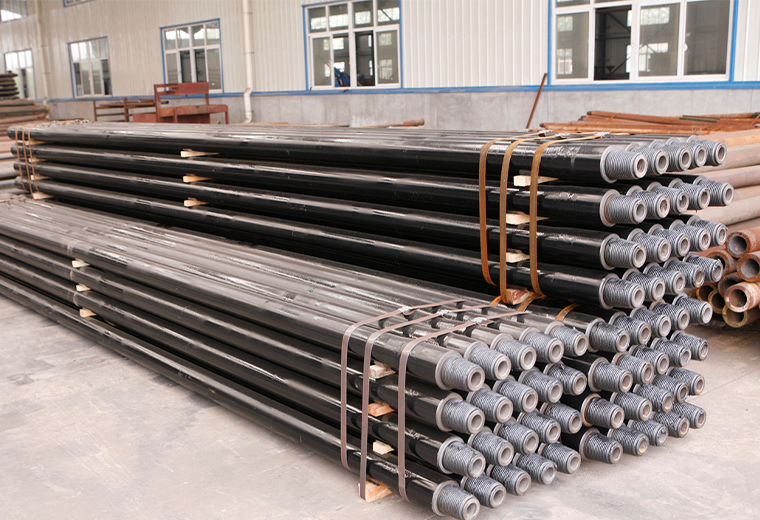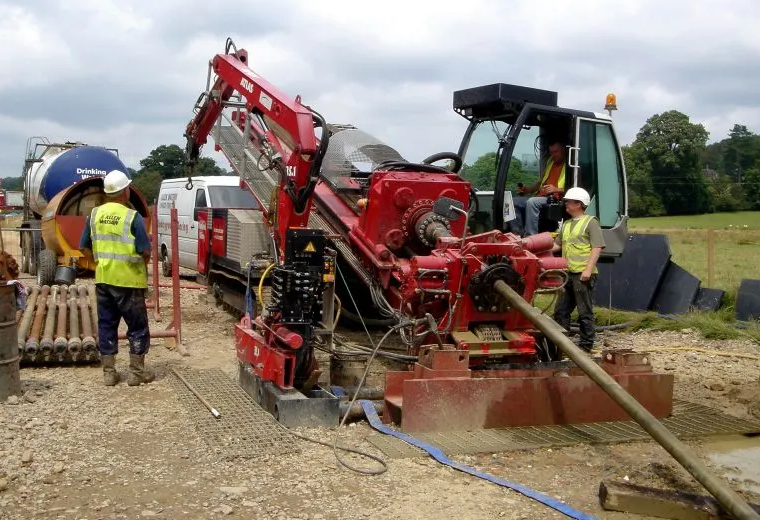
Hey, friend — winter is coming, and if you run HDD jobs in cold weather, you already know the drill: things get harder. The ground, the mud, the team spirit and, sometimes, honestly, the drill rod.
I have been selling and supporting HDD drill rod for about 5 years now and I get the same calls every winter. “Why is my rod being weird now, it’s cool in summer. Or my personal favorite, “Steel is steel, no? “Cold doesn’t matter.” Love you buddy but no. Cold counts.
So let’s talk about what really happens to HDD drill rod steel in cold weather, and what maintenance changes I would make if I was standing on your job site with a cup of coffee in one hand and a thread gage in the other.
First, what’s happening with the steel?
Here’s the short version: When the temperature drops, steel doesn’t just “get harder” in a good way. It has a lower fracture toughness. This means that the steel is less able to absorb the impact and to resist the propagation of a crack.
The majority of HDD drill rod is made from alloy steel, with carefully controlled heat treatment, and is designed to be tough — but “tough” is not a magically permanent condition. Temperature is important.
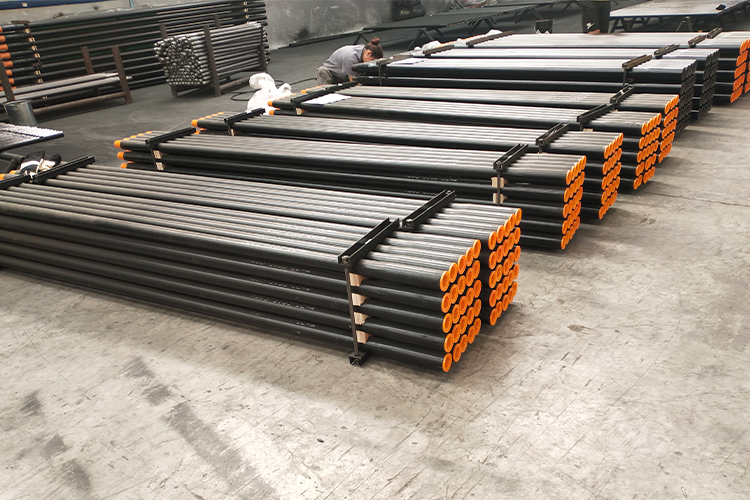
All steels have what we call a ductile to brittle transition. At high temperatures the steel is more ductile . It bends and absorbs shock and gives you warning signs . It can be more brittle at low temperatures. That’s not to say your rod will snap like a candy cane at -5°C. But it does mean you have less margin for shock loads, hammering, sharp notches and existing cracks.
And where do cracks like to start?
Thread roots, abrupt changes and anyplace where you have a stress concentration. Cold weather doesn’t cause the cracks, but it can make them grow faster and cause a more sudden final failure.
And when a guy says, “I’m just going to bang on the thread to get it loose,” I can see years of my life pass before my eyes. Don’t please. Cold steel + impact loading + a thread root = a bad combination. Use the right tools and warm that connection up properly if you are allowed. Don’t treat your rod like a fence post.
The things nobody tells you about: thread compound and moisture
Here is a less sexy, but super common issue: thread compound thickens in cold weather. That nice flowing fancy grease at 20C can be peanut butter at -10C. If you put it on cold and then build up the joint you may not get good coverage. Then you over-torque to compensate, or you get galling, or you fight the joint on breakout. “I’ve seen crews take an hour to connect a rod that should take five minutes, not because the rod was bad, but because the thread lube was basically hibernating.
Use a thread compound rated for the temperature you actually are working in. Wipe the threads dry and install properly. And please, please, don’t thaw threads with an open flame. Uneven heating can mess up the heat treatment and cause more problems than it solves. If you need to heat a connection, do it controlled and gentle – follow manufacturer’s instructions.
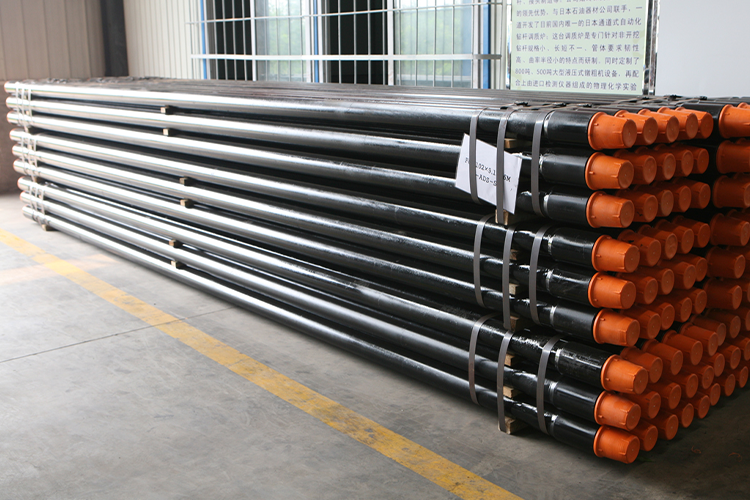
Also moisture Water in thread roots . In the rod . On the racks . Then it freezes . Ice in a thread is not a lubricator. It’s a little saboteur. Drain rods should be stored off the ground on racks where they are not sitting in snow and meltwater, and keep connections capped when possible.
Maintenance Tweaks I’d Actually Make
My practical winter checklist. Not the glossy brochure version. The real one:
Ease the beginning up. Don’t go to full pull, full torque, from cold idle in 30 seconds. Allow the rod, mud and equipment to warm up gradually. Cold weather puts shock loads in enemy territory.
Check more often. I know, I know, everyone loves the inspection paperwork. But pay particular attention to thread roots, shoulders and upset transitions in cold weather. Inspect for cracks, galling, rust pitting, and any mechanical damage. A small notch that was “fine” in the summer has a smaller safety margin now.
Respect torque, but don’t worship the number blindly. Low temperature thread compound will act differently. If the lubricity changes , then the torque-turns relationship changes . Use OEM torque specs, but be sure you’re using the right lube and making up joints consistently. “Don’t just turn it because it felt loose”.
If possible, keep the mud warm. Cold slurry gets viscous and that changes pressure, flow and cooling. I’m not saying to build a hot tub for your mud, but a little temperature control goes a long way for the entire drill string.
Do not over bend the rod. Cold steel is less ductile. If you’re already operating on a tight bend radius, winter is no time to push that any further. Be honest with your geometry.
Buy wisely. Raise racks, drain water, cap threads, and keep snow out of connections. Sounds simple, because it is simple — but every winter I see rods put away like they’re trying to become ice sculptures.
A quick story from the trenches
A couple winters ago a customer called me saying his rod was “defective” because a joint wouldn’t break out. I asked him what thread compound he was using. A long pause. Then: “The normal stuff.” I asked them what temperature they were working at.
Another pause. “Uh, about -12°C.” Yeah. The compound had become glue. We cleaned the threads, put a low temp compound on and all of a sudden the “bad” rod was just fine. That day I didn’t even sell him anything. Tragic, I realize.
But here’s the thing: cold weather problems often don’t involve dramatic steel failures. It’s the small maintenance oversights that add up. And as a guy that works for a drill rod factory I’d prefer you didn’t need a new string, I’d prefer you get full life out of the one you’ve got.
So keep warm, ease your start-up, use the correct thread lube, inspect like you mean it and don’t hammer cold steel. Your drill rod will appreciate it. And if you have questions about cold weather applications, just ask. I love to talk rods. It’s my thing, sort of.
By Frank
HDD Engineering Sales
RICHDRILL EQUIPMENT CO.,LTD
Share :
Recently Released
- How Steel Behaves in Cold Weather and Adjusting Maintenance of HDD Drill Rod
- Richdrill HDD What Products Do They Make? A No-Nonsense Guide from a Guy Who Sells Them
- How Many HDD Drill Rods in a 20ft or 40ft Container? An Honest Answer from a Factory Guy
- How to Detect Fake HDD Drill Rods Before They Fail Downhole
- How Stabilizers and Reamers Add Stress to Your HDD Drill Rods (And What You Can Do)