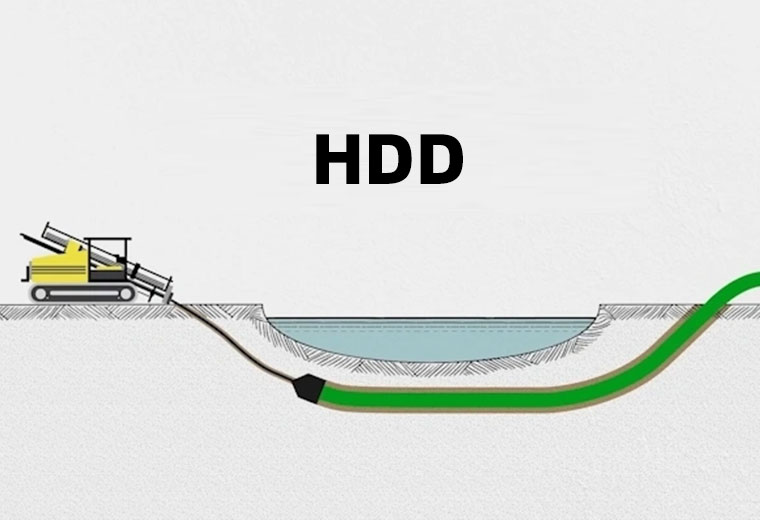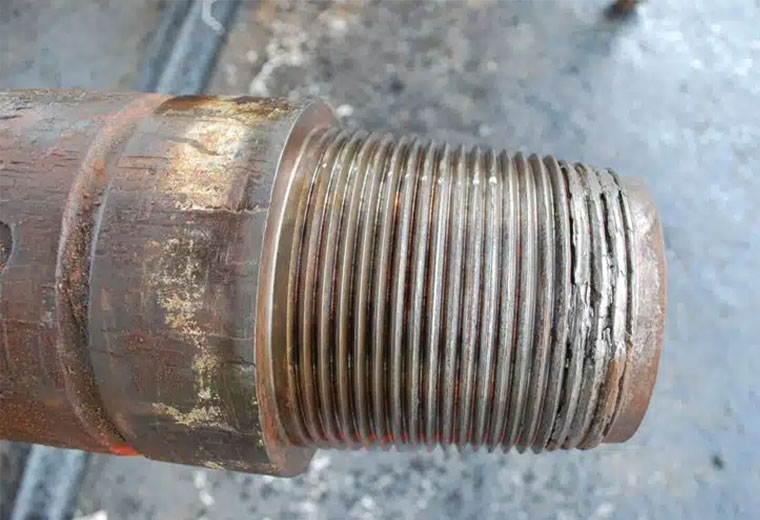
You know when you’re 300 feet in, everything’s going smooth, and then—crunch. Not the good kind of crunching. The kind that makes your stomach sink.
That happened to me some four years ago. I was on a Texas jobsite, hot as hell, crew trying to get a 200-foot bore under a two-lane highway. And then we heard that. That sickening crack every directional driller knows too well. 15 feet down, rod snapped like a toothpick.
We spent the next 14 hours pulling that sucker out. Three grand in downtime, not counting the lost productivity, the pissed-off client, and the sheer misery of working all night in that heat.
That was the day I stopped thinking of drill rods as unbreakable steel pipes. Because they are not. They’re more like your knees. Abuse them enough, they’ll talk back.”
The “Just Push Harder” Trap
The deal with hard rock is this. It doesn’t care about your deadline. It doesn’t care you told the client you’d be done by Friday. It just sits there, solid as rock, laughing at your torque settings.
And what do we do when we meet with resistance? We go harder. We crank the power up. We tell ourselves, ‘A little more, it will break through.
I have done it. You’ve done it. We can all relate.
But here’s what I learned the hard way – over-torquing a rod doesn’t create productivity. It creates micro cracks. Do that enough times and break. And that’s all.
Fatigue is the number one killer of HDD drill rods. And this is the scary part, it can happen at stresses much below the rating of the rod. With every curve that rod goes through, every time it goes from tension to compression, every time you push too hard in rock, you’re adding to that fatigue count.”
The “Dave Story” That Changed My Brain
I had a client a few years ago. Let’s call him Dave. He was drilling through some nasty cobble and shale, called me up pissed as hell because his rods kept stress-fracturing after maybe 200 feet.
“The good stuff” he bought from a rival. Expensive. Good package. Fancy temperature stats. But Dave missed one thing, the wall thickness tolerance and the steel chemistry for that particular ground condition.
He was using a rod intended for soft clay in a rock playground. Like bringing a butter knife to a steak dinner.
Instead, we installed a heavy-wall rod with an additional tempering process. Same rig. Same operator. Same soil. He finished that bore and the rods looked hardly used.
That was my epiphany. There is nothing magical about our rods, they are not. It was less about choosing the shiniest tool on the shelf and more about matching the tool to the puzzle.
So What Really Works in Hard Rock?
Alright, enough of that. That’s what I know from 5 years selling these things and watching guys make it and not in rock.
Steel is significant. It really does.
Most drill rods on the market are S135 steel, rated at 135,000 lbs of tensile strength. That’s good for dirt. That’s all right for clay. That’s good for a lot of things.
But heavy rock? You want something with a little more punch.
Some manufacturers have developed special formulations of steel specifically for HDD applications. The premium rods use alloys that help the rod snap back to straight more effectively after bending, which is important when steering aggressively through rock.
That is not just a spec sheet number. It is the difference between finishing a bore and fishing broken steel out of the ground for 14 hours.
One-piece forging vs. welding and why it matters
Here’s something a lot of guys don’t think about. Many aftermarket drill rods are made this way with three-piece welding, where the tube body is inertia-welded to each tool joint.
Those welds? They become weak spots. That’s where things go wrong under the fatigue of harsh drilling conditions.
Better rods are forged from a single piece of steel. No weld points to break. It’s the difference between a welded trailer hitch, and a forged trailer hitch. Okay for light duty. The other is someone you trust with your life.
Threads are not just threads
I can’t tell you how many broken rods I’ve seen that would have been fine if someone would have just torqued to spec.
Too loose, and the connection works loose underground. Too tight and you’re pulling the threads like a rubber band until they snap.
And lubricate your threads, for the love of all that is holy. Everything. Single Time. Mud in the connections dries rock hard and that dried mud is like sandpaper on your threads the next time you do any threading up.
I always have a rag in my back pocket for every job. Insurance discount.
The Rotation Rule No One Follows
Here’s a tip that costs nothing and saves everything;
If you’re rotating that lead bar, it’s like rotating your car tyres. That whole rack of rods should wear out together. If you don’t rotate them, you will get one or two rods to end of life much quicker.
Simple weekly protocol: yank the lead rod ( first one behind the drill head ) out, shove it to the back of the rack, put a fresh one up front.
Document it. 2. Log it . Number your rods. Number them all. I don’t care if you use paint, tape or a Sharpie. If rod #17 goes through ten bores no problem and rod #32 keeps giving you a problem, you know which one to retire.
Don’t Mix Your Rods
This one is driving me nuts.
Do not mix drill rods from different suppliers in same rack. Do not combine different brands. Never mix different levels of wear.
It’s like putting a new tyre on one wheel and a bald tyre on the other and asking yourself why you’re in the ditch. Different steel will bend different. The threads will wear differently. Keep a same set.
The Ugly Truth
Look, I’m not going to tell you that our rods don’t break. They’re steel, not magic.
But this is what I have seen in five years in the business. The ones who call me the least. The ones with the least problems. They’re the ones who treat their drill string like the precise instrument it is. They check. They do. They don’t over the top. They are reasonable.
There is no time for deadlines in hard rock. But give it the right tools – the right steel, the right maintenance, the right respect – and it will let you through.
And you won’t have to spend 14 hours pulling broken rods out of the ground.
By Frank
HDD Engineering Sales
RICHDRILL EQUIPMENT CO.,LTD
Share :
Recently Released
- Richdrill HDD What Products Do They Make? A No-Nonsense Guide from a Guy Who Sells Them
- How Many HDD Drill Rods in a 20ft or 40ft Container? An Honest Answer from a Factory Guy
- How to Detect Fake HDD Drill Rods Before They Fail Downhole
- How Stabilizers and Reamers Add Stress to Your HDD Drill Rods (And What You Can Do)
- When to Scrap Your HDD Drill Rods: OD Wear, Wall Thinning and Ovality Limits