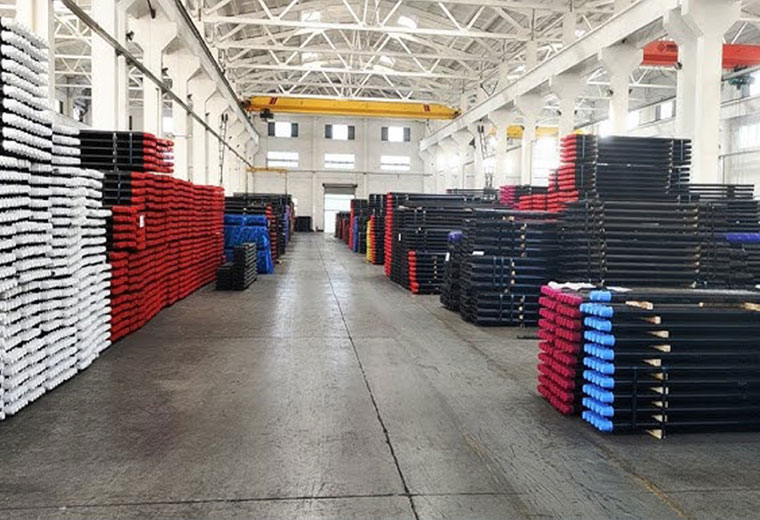
Okay, let me just get this out there, I’ve been selling and talking about HDD tooling for about five years now and I still remember the first time a customer called me all pissed off because his “Vermeer-compatible” rods he bought from some online deal snapped like a dry twig on a 200-foot shot.
That was my lightbulb moment. Not the kind where you think you’re smart. The kind where you see how many guys are getting screwed by aftermarket rods that look right but are all wrong.
So here’s the story – you’re thinking about aftermarket rods for your Vermeer rig. Maybe the price of the OEM rod makes your eyes water. Got it. I mean it, really. But don’t just buy the cheapest “compatible” set you can find and hope for the best. I wish that customer knew something before he called me screaming. You know.
The “compatible”trap:
See, “Vermeer-compatible” doesn’t mean much by itself. All you need to cut a pin and box to Vermeer’s dimensions is a lathe and a thread chart. But that’s like saying any old tyre that fits your truck is a good off-roader. Yeah, it’ll just snap on. But will it hold up when you’re pulling a 4-inch reamer back through clay and rock?
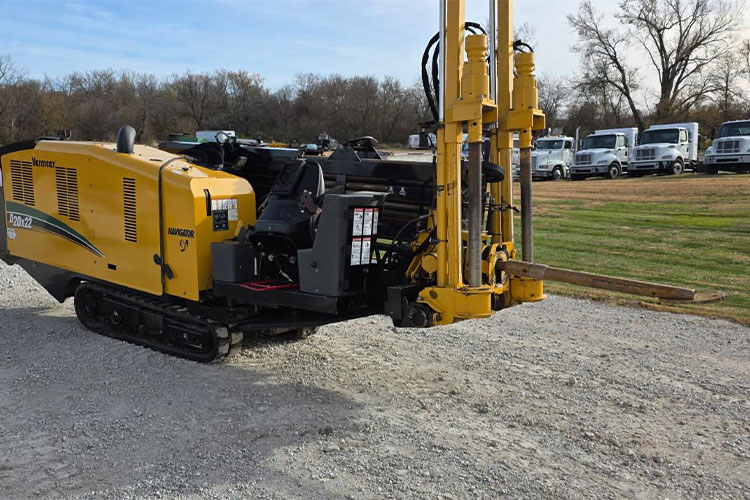
The real stuff – the stuff that counts – is in the steel and heat treat. I learned this the hard way when I was first starting out. I sent a sample rod to a customer from a new supplier. Cheaper, seemed decent. He ran it half a day and the threads galled up so bad he had to torch off the rod. The hardness turned out to be all over the place.”
Vermeer’s own rods (and good after-market ones) have a particular hardness range – not too soft (so the threads don’t deform) and not too brittle (so they don’t crack). That cheap pole? It was soft as butter in some places, in others glass-hard.
What I’m Looking For Now (And You Should Too)
So here’s what I’d ask when you’re shopping around – and yeah, you gotta ask. Don’t be modest.
What type of steel? 4140 or 4145H is generally good stuff. Heat treated to about 28-32 HRC for the body. Threads might be a little harder, maybe 35-38 HRC. If they can’t tell you, run.
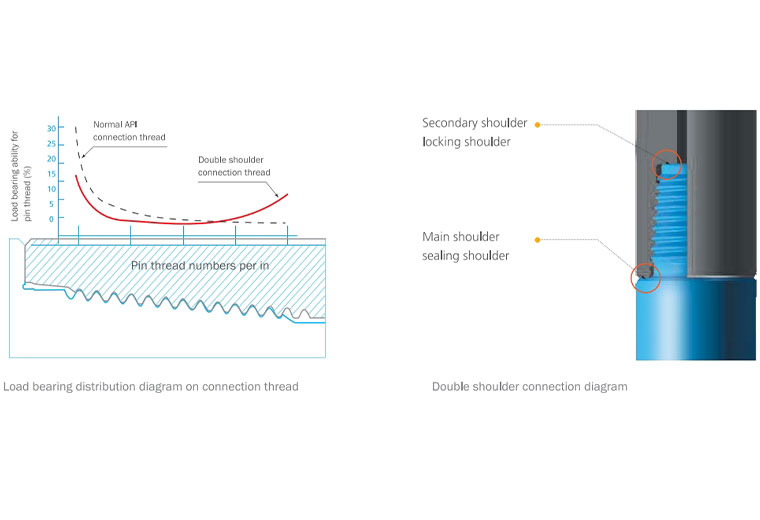
Is that the real Vermeer profile in the thread? There’s a difference between “fits Vermeer” and “was actually engineered to Vermeer’s fatigue-life specs “. Some cheap knock-offs use a similar pitch, but a different root radius – that’s where cracks start.
Straightness, dude. I don’t care what the ad says. Take a stick and roll it on a flat floor. If it’s wobbling, you’re going to have vibration in the drillstring.” Vibration kills your rig, kills your bits, kills your back.
Where the outrage? The Vermeer rods have a special internal upset design that keeps a smooth ID for mud flow. Aftermarket rods that have a necked down mud passage all of a sudden – bye bye flow, hello stuck pipe.
A Little Story (Because I Can’t Help Myself)
A regular customer of mine last year – great guy, runs a small crew – called me up and said, “Hey, I found these rods online. Half the price of yours. Same specs. “Shall I try ’em?”
“I said, ‘Do me a favour. Buy 2. “Run one next to one of mine. Same bore. Same pressure. We’ll just see what happens.
He did. His words were, ‘Yours are smooth. The other one… after 300 feet the threads were gritty. And I had to run five percent more torque to keep the heading.
The following week he bought a full set from me. Not because I am some sort of sales wizard. Because the pullback was in the proof.
So Here’s My Real Talk
I’m not going to tell you never to buy aftermarket. I am a manufacturer of aftermarket parts. But I’ll tell you what, not all aftermarket rods are created equal. Some small shops do actually give a shit. They test every batch. They use real Vermeer gauges. They know the difference between “close enough” and “dead on.” Others just purchase tubing from who-knows-where and cut some threads and slap a sticker on it.
Your rig is too expensive to be wasting it on crap. So too is your time – because nothing kills a day like pulling a broken rod string out of a borehole.
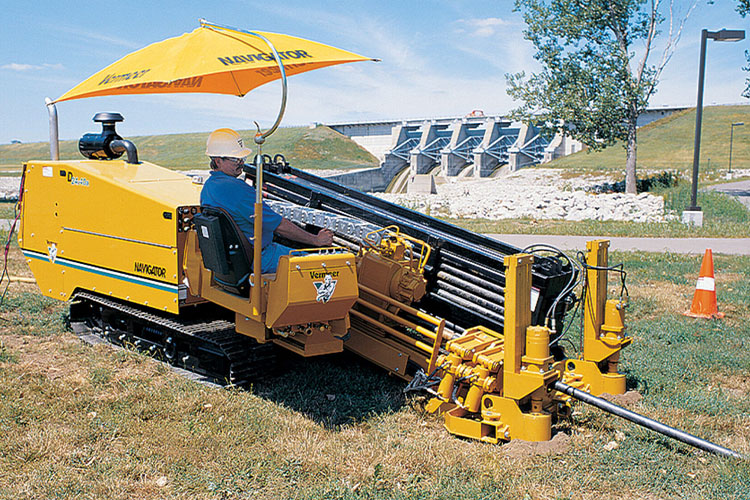
If you want my advice. Request a sample. Execute it. Feel the threads mate. Look at the weld spot. If the seller hesitates or attempts to sell you instead of providing a sample – walk away.
And if you ever just want to talk rods, what works, what doesn’t or why I am still surprised at some of the stuff I see out there – hit me up. I like to talk about this stuff more than I probably should.
Now go and make some bores. And keep your rod box clean – nothing destroys threads faster than mud drying on the box end. (But that’s another story for another time.)”
Keep boring smart
By Frank
HDD Engineering Sales
RICHDRILL EQUIPMENT CO.,LTD
Share :
Recently Released
- Richdrill HDD What Products Do They Make? A No-Nonsense Guide from a Guy Who Sells Them
- How Many HDD Drill Rods in a 20ft or 40ft Container? An Honest Answer from a Factory Guy
- How to Detect Fake HDD Drill Rods Before They Fail Downhole
- How Stabilizers and Reamers Add Stress to Your HDD Drill Rods (And What You Can Do)
- When to Scrap Your HDD Drill Rods: OD Wear, Wall Thinning and Ovality Limits