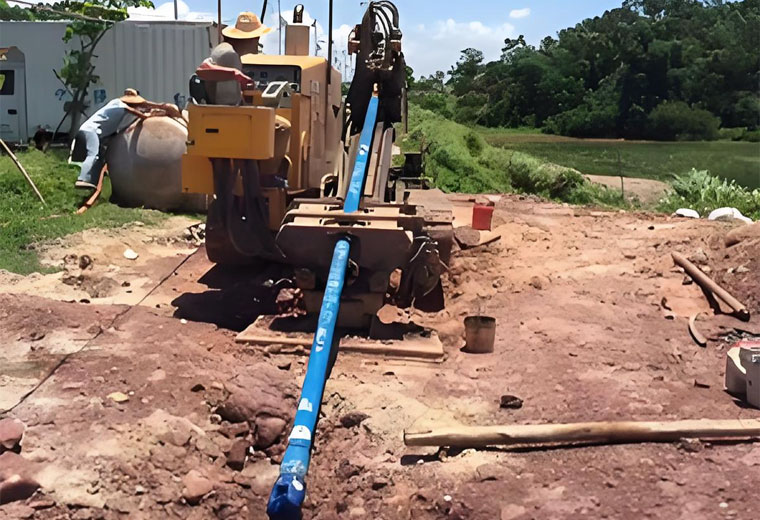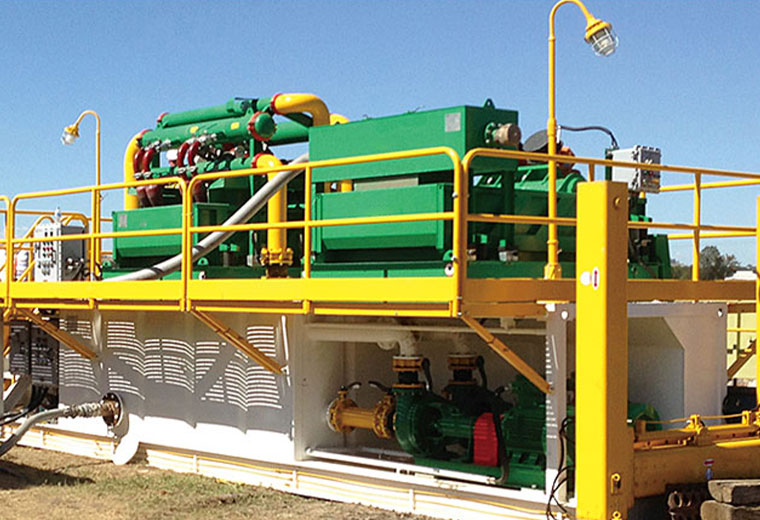
I’m parked at a job site, and dust is settling on the windshield. With coffee in hand. You just asked me, “What is the one thing that messes up more HDD jobs than anything else?”
Yes. Let’s talk about it.
My “Oh, This Matters” Moment
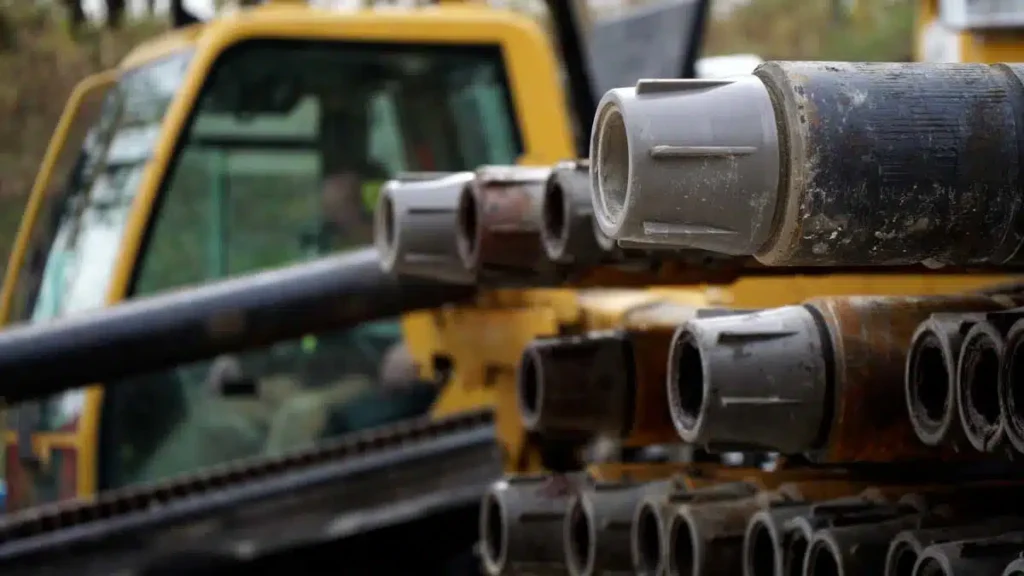
I thought the drill rod was just the HDD pipe when I first started this job five years ago. I was young and thought I knew everything because I could recite tensile strength charts in my sleep. The link. The thing that gets the head to the other side.
I was a fool.
I remember this job I had outside of Tulsa. Very muddy. The crew was pulling a 4-inch conduit back under a highway right-of-way with 300 feet of 2-3/8-inch rod. Things were going well until they weren’t.
The rig was making noise, the torque was going up, and then, bam, the rod broke off right at the box end. Not at the pin, not at the weld. Just cut. The bore held half of the string. The other half was on the floor.
The operator looked at me like I had sold him a broken mop.
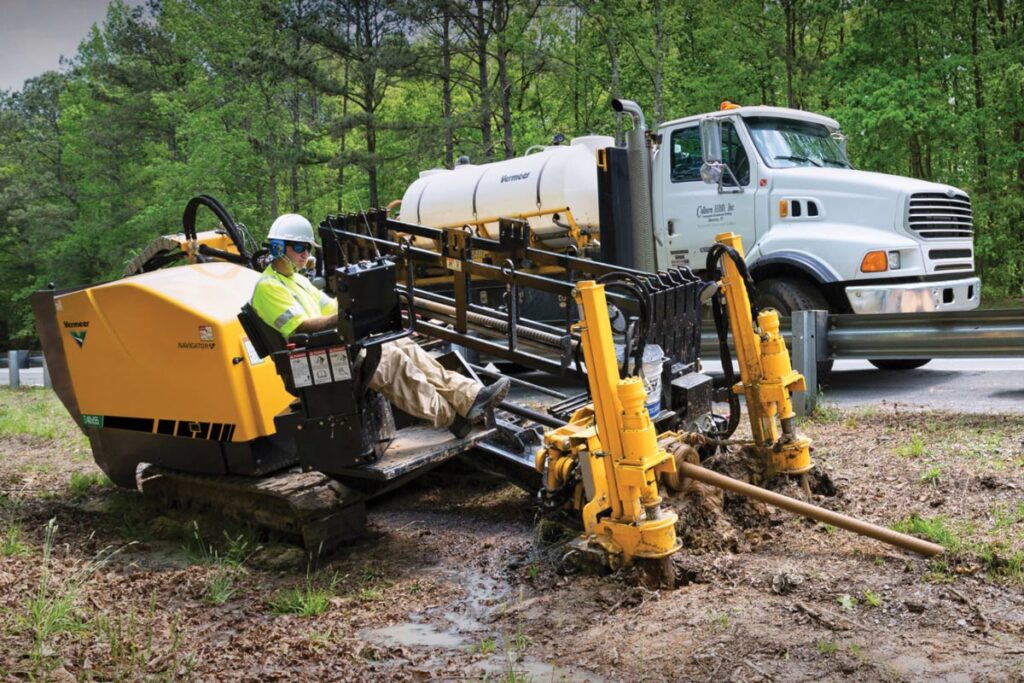
That was when I thought, “Oh, this is important.” The rod wasn’t just “the HDD pipe.” It was the whole damn bore’s nervous system. If it breaks, you don’t just lose a rod. You lose the hole. You lose the day.
You won’t make any money on that job, and probably not on the next one either, because the customer is now calling the other guy.
The One Part That Never Stops
When you’re just starting out, no one tells you this: the drill rod is the only thing in your string that never gets a break.
Your mud motor gets a break between shots. You switch out your reamer. Your transmitter sleeps in the charger. But what about that rod? From the time you start spinning it until you wipe it down at the end of the day, it is under stress, torsion, bending, and vibration. You pull it, push it, hammer it, and then you ask it to do it again tomorrow.
We treat it like a set of jumper cables. Just get them, throw them in the back, and use them until they break.
I’ve done it too. I’ve seen guys—heck, I was that guy—mix new rods with old ones that had been straightened twice, run them in the same string, and then wonder why the steering got loose or why the connection kept coming apart. It’s like putting a new racing tire on one wheel and a used donut on the other and then wondering why the car goes to the left.
My Little Truth: Your Rod String Is a Team
Act like it’s one.
Wear what matches. If you’re using new rods, use them all at once. Let them run as a set if you’ve had them in the ground for 20,000 feet. When you start mixing grades, brands, or even just different levels of wear, you’re putting a lot of stress on one connection. And that’s the one that will break, usually on a Friday at 4 PM, under a highway, with a bored DOT inspector watching.
And I know that money is tight. I know the boss asks, “Why do we need new rods?” These still look good. I understand. I’ve talked about that a dozen times. But this is how I’ve learned to think about it: You don’t buy drill rods just because they look nice on the shelf. You buy them because they are the cheapest way to protect yourself against a day of fishing and an angry general contractor.
I’d rather sell you one good set of rods that runs true, keeps your torque steady, and lets you steer like a dream than three cheap ones that make you guess every time the mud pressure goes up.
The Connection Habit That Will Save Your Life
One last thing, and I’m being honest with you: check your connections. Not only with a gauge, but also with your hands. I can’t tell you how many times I’ve seen a rig that “runs great” but every connection feels like it’s fighting.
A little sand in the threads and a little galling, and all of a sudden your 500-foot shot feels like you’re using a spoon to drill through concrete blocks. A clean connection isn’t just about how much torque you use. It has to be consistent. And being consistent is what gets you home on time.
The Sweet Spot
So, yeah, I don’t get as excited about the numbers as I used to after five years. I don’t care as much about the chemistry of the steel (well, I do care a little). When you’re 300 feet into the job site and you feel that sweet spot where the rig is purring and the rod is doing what it’s supposed to do, that’s the moment I live for.
That’s when a rod does its job.
So the next time you’re about to mix your strings, skip cleaning the thread, or put off buying that new set for “the next job,” just think about that muddy afternoon in Tulsa. Yes, I do.
Happy boring, friends. And keep them straight.
Keep boring smart
By Frank
HDD Engineering Sales
RICHDRILL EQUIPMENT CO.,LTD
Share :
Recently Released
- Richdrill HDD What Products Do They Make? A No-Nonsense Guide from a Guy Who Sells Them
- How Many HDD Drill Rods in a 20ft or 40ft Container? An Honest Answer from a Factory Guy
- How to Detect Fake HDD Drill Rods Before They Fail Downhole
- How Stabilizers and Reamers Add Stress to Your HDD Drill Rods (And What You Can Do)
- When to Scrap Your HDD Drill Rods: OD Wear, Wall Thinning and Ovality Limits