Hey friends,
Grab a coffee. Or a beer, depending on what time you’re reading this. I’ve got something I need to get off my chest, and it’s been brewing for about six years.
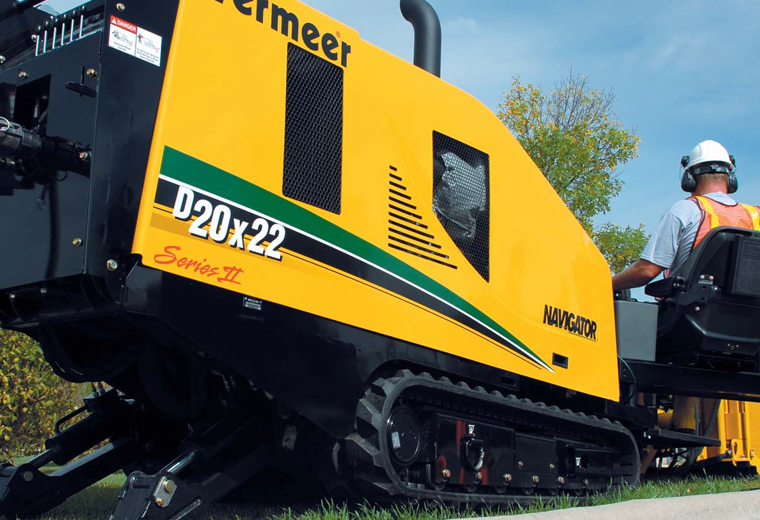
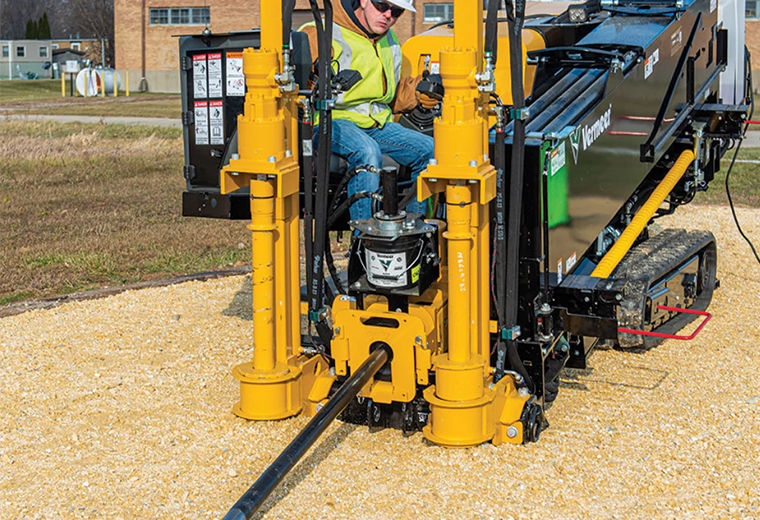
I want to take you back to my first week in this industry. There I was, fresh-faced, thinking I knew a thing or two about metal and machines. My boss tosses a customer inquiry onto my desk. “They need drill pipe for their Vermeer. What should we send?”
Easy, I thought. I literally pulled up a chart, matched the thread size to the rig model, and fired off a quote. Felt pretty good about myself.
Fast forward two weeks. That customer calls me back, and he is not happy. Like, “your pipe just twisted off in the hole and I lost a whole day’s work” not happy. My face turned redder than a safety flag on a drill rod.
That was my wake-up call. And honestly? It was the best thing that ever happened to me as a sales guy. Because it forced me to actually understand what the hell I was selling.
So let’s talk about this whole “matching pipe to rig” thing, because I see guys making the same mistake I did every single week.
The 10% Rule: Why the Rig Model is Just the Starting Line
Look, I’m not saying the rig model doesn’t matter. It does. The thread connection has to fit, obviously. The diameter needs to match your spindle. That’s the easy part. That’s the 10%.
But here’s what nobody told me back in my first week: your rig is just the engine. It’s the muscle. The pipe is the messenger between that muscle and whatever hell you’re about to punch through underground.
I was talking to a contractor named Mike last month. He’s got a 40,000-pound rig, beautiful machine. He’s asking me about pipe, and he keeps coming back to “but my buddy runs the same rig and he uses this pipe.”
So I asked him, “Mike, what are you drilling through?”
“Shale,” he says. “Really nasty, fractured shale.”
I asked what his buddy drills through. “Sand and clay.”
Guys. Same rig. Completely different worlds. Mike needed heavier wall pipe, different steel grade, the whole nine yards. If I’d just sold him what his buddy uses, that pipe would’ve been garbage in six months.
The Ground Doesn’t Care About Your Thread Size
This is the part that blew my mind when I finally got it through my thick skull. The ground is the real boss.
You can have the nicest rig money can buy. You can have the fanciest locating equipment. But if your pipe isn’t right for the dirt, you’re going nowhere fast.
I learned to start asking different questions. Not “what rig do you have?” but “what does your dirt look like?” Is it abrasive? Is it rocky? Is it that sticky clay that makes everything miserable?
Rock wants one thing from pipe: toughness. It wants steel that can handle vibration and shock without work-hardening and turning brittle. Clay wants something different—it wants pipe that can handle torque without twisting itself into a pretzel.
I had a guy tell me once, “I just drill in the same three neighborhoods. I know every foot of ground there.” That guy? I can recommend pipe for him all day long, because he knows his enemy.
The Mud Motor Trap Nobody Talks About
Okay, this one is personal. Embarrassing, but personal.
Few years back, a customer calls me up. He’s running a big rig, using a mud motor, doing some directional work under a highway. He asks for pipe. I send him our standard heavy-duty stuff. He installs it. Calls me a week later. Pipe failed.
I’m scratching my head. This pipe should’ve worked.
Turns out, I completely forgot to account for what the mud motor does. When you’re running a motor, that pipe is spinning the whole time it’s in the hole. It’s not just pushing—it’s constantly rotating under load. That fatigue cycle is brutal.
Regular pipe that works fine for push-and-rotate operations? It might die young in a mud motor application.
That was my “sit alone in my truck and feel stupid” moment. Now it’s the first thing I ask. “Hey, you running a motor or just spinning from surface?” Changes everything.
The Lie We Tell Ourselves About “Universal” Pipe
You know what I hear all the time? “Just give me the standard stuff. Works for everybody.”
Nope. Nope nope nope.
There is no universal pipe. There’s pipe that hasn’t failed yet, and pipe that will. That’s it.
I had a customer once who swore by a certain pipe from a certain big brand. Used it for years. Then he got a contract drilling in an area with a lot of quartz. That “tried and true” pipe started wearing out in half the time. Why? Because the abrasive quartz chewed through the hard-facing like candy.
Same pipe. Same rig. Different ground. Different result.
What I Wish Someone Had Told Me Six Years Ago
If I could go back and grab that clueless first-week version of myself and shake some sense into him, here’s what I’d say:
Stop looking at the rig. Start looking at the hole.
The rig is just the tool that turns the pipe. The pipe is what actually does the fighting. Treat it that way.
Ask yourself:
- What am I drilling through today?
- How deep am I going?
- Am I spinning or just pushing?
- What’s my bend radius look like?
- Am I beating this pipe up every day or just occasionally?
Your answers to those questions matter way more than what brand name is stenciled on your rig.
The Part Where I Get Real With You
Here’s the thing. I sell pipe. That’s my job. But I learned a long time ago that selling someone the wrong pipe just means they’ll be back in six months yelling at me. And I hate getting yelled at. (Also, I genuinely hate seeing good contractors lose money because of bad advice.)
So when you call me, I’m going to ask you a million questions. Not because I’m nosy. Because I’ve been burned. Because I’ve seen what happens when we get this wrong.
The right pipe for your job might cost a little more upfront. But the wrong pipe? It costs you downtime. It costs you lost holes. It costs you that phone call to the customer explaining why you’re behind schedule.
I’ll take a slightly higher invoice over that phone call any day of the week.
Let’s Make This Simple
Next time you’re shopping for pipe, here’s my advice:
Tell the sales guy what you’re really doing. Don’t just say “I need 20-foot rods for my Ditch Witch.” Say “I’m drilling under a river through sandstone with a mud motor and I need something that can handle 5,000 feet of push.”
See the difference? Now we’re talking. Now I can actually help you.
The rig model is just the appetizer. The real meal is what happens once that bit hits the dirt.
Anyway, that’s my story. Learned it the hard way so maybe you don’t have to.
Got a tricky job coming up? Give me a call. Let’s talk about your dirt.
I know I did.
Keep boring smart
By Frank
HDD Engineering Sales
RICHDRILL EQUIPMENT CO.,LTD
Share :
Recently Released
- Why Your HDD Drill Rod Sometimes Feels Like It Has a Mind of Its Own (And How to Fix It)
- Is HDD Drill Rod Really Resistant to Corrosion?
- How does the drill know where to go? (HDD Steering Made Clear)
- So, You Wanna Know How HDD Drill Rods Are REALLY Made?
- Why Matching Your HDD Drill Pipe to Your Rig Model Might Be a Trap