Hey there,
So the other day I was walking through our production floor, watching a fresh batch of HDD drill rod going through the process, and it hit me—this is something most of our customers never actually get to see.
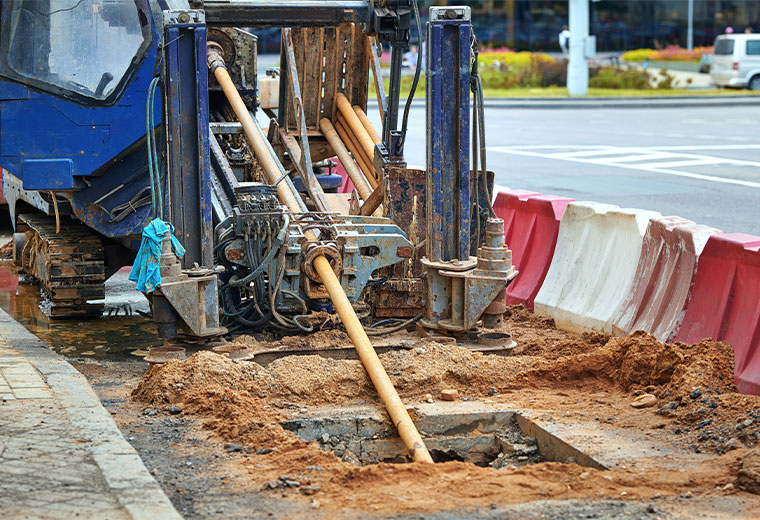
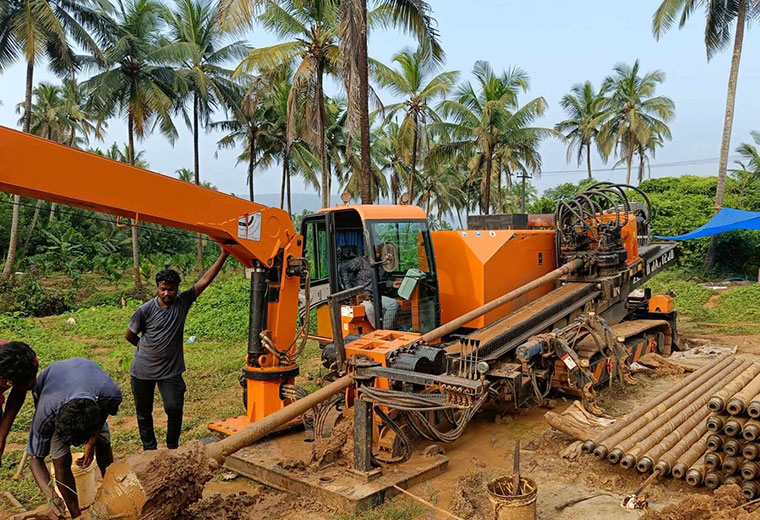
You guys are out there on the job site, covered in mud, fighting through rock, praying the rod doesn’t wash out at 2 AM. Meanwhile, back at the shop, we’re doing our thing to make sure that rod can take the punishment.
A customer asked me last week: “What does it actually take to make one of your rods?” Not the sales pitch version, the real version. So I figured I’d pull back the curtain a little.
The Raw Stuff
First thing you need is steel. And not just any steel—we’re talking about the good stuff, the alloy steel that’s going to flex without snapping when you’re pulling back a 12-inch line under a river.
When I first started in this industry, I honestly thought a HDD drill rod was just a pipe with threads. Boy, was I wrong. That “simple” piece of steel goes through more abuse in one day than my truck does in a decade.
The Big Machines
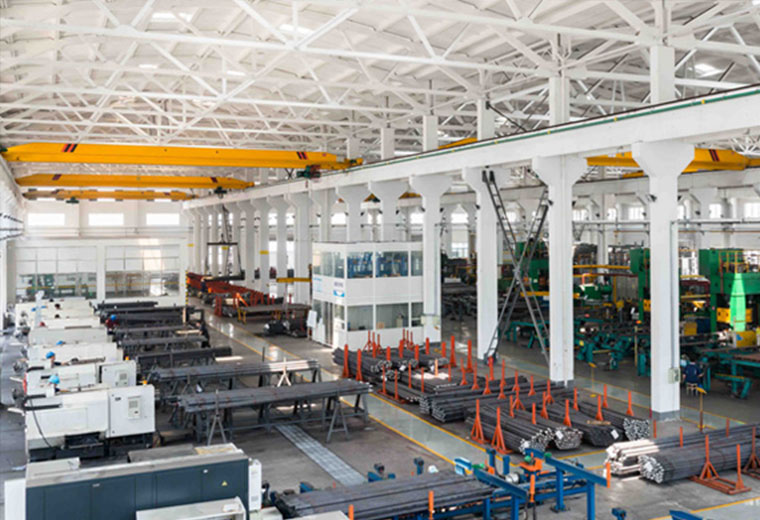
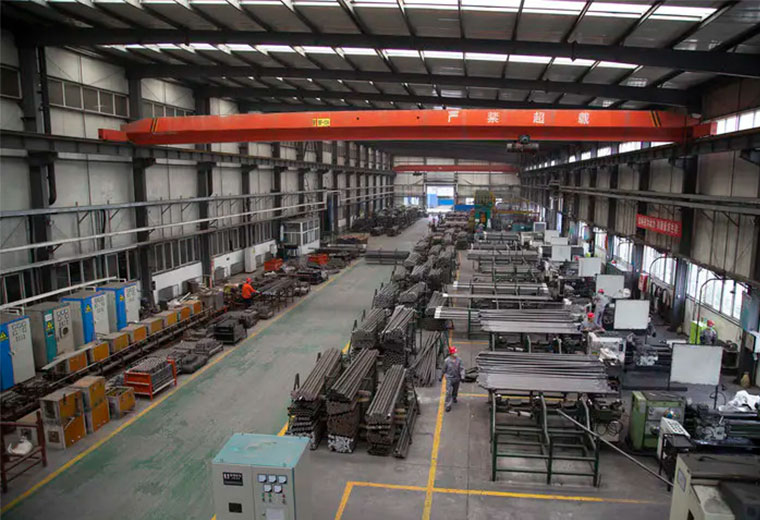
Walk into our shop and the first thing that’ll smack you in the face is the noise. We’ve got these massive machines that look like they belong in a sci-fi movie.
The lathes are the rock stars here. They’re spinning the steel, cutting it down, shaping the ends. I remember standing next to one my first week, watching sparks fly everywhere, and thinking “how does anybody make this look easy?” The guys who run these things have been doing it for twenty years. They can tell just by the sound if something’s off.
Then there’s the heat treatment. This part blew my mind when I actually understood what was happening. We heat the steel up to like 1600 degrees, then quench it, then temper it. It’s like cooking a really expensive, really hard steak, except if you mess it up, somebody’s rig gets stuck 500 feet underground.
I had this “aha” moment a couple years back when a customer sent us a rod that snapped on site. We ran tests, and sure enough, the heat treatment was inconsistent. That’s when I got why we’re so obsessive about temperature control. It’s not just about making the steel hard—it’s about making it hard the same way all the way through.
The Threads
Okay, can we talk about threads for a minute? Because this is where the magic happens.
The threading machines are these precise pieces of equipment that cut the box and pin connections. When I first started, I thought a thread was a thread. Thread’s a thread, right? Wrong.
The thread profile, the taper, the surface finish—all of it matters. I watched our quality guy reject a whole batch once because the thread gauge showed like half a thousandths of an inch off. I thought he was being dramatic. He looked at me and said, “You ever try to make up a connection at midnight in the rain when you’re tired and cold and everything’s covered in mud?”
Point taken.
The Straight Talk
Here’s something most people don’t think about: straightness. We’ve got these roller straighteners that make sure the rod isn’t bent even a little bit. Because a rod that’s slightly bent on the shelf is a disaster waiting to happen in the ground.
I remember my first year, I asked our production manager why we spend so much time on straightening. He grabbed a piece of paper, bent it a little, and said “try to push this across my desk.” You can’t. Same thing happens in the borehole if the rod isn’t straight—it’s fighting itself the whole way.
The Little Stuff
There’s all this other equipment too—the welders for repair work, the shot blasters for cleaning, the inspection stations where every single rod gets checked like it’s going to the moon.
The inspection part still gets me. Every rod. Every thread. Every joint. By hand. By guys who’ve been doing it forever and can spot a flaw just by running their fingers across the steel.
Why This Matters To You
Look, I’m not telling you all this to brag about our shop. I’m telling you because next time you’re on site and you’re spinning that rod into the ground, I want you to know what went into it.
That steel got heated and cooled and straightened and threaded and checked and checked again. Some guy who’s been doing this since before I got into the business ran his hand over the threads to make sure they’re smooth. Another guy watched the temperature gauges like a hawk so the heat treatment was perfect.
And yeah, sometimes things still go wrong. Sometimes a rod hits a rock wrong or gets pushed too hard or just has a bad day. But knowing what goes into making them—it changes how you look at that pile of pipe on your trailer.
Next time you’re out there and you make up a connection and it just feels right, smooth, easy—that’s not luck. That’s a bunch of machines and a bunch of guys who give a damn, a thousand miles away, doing their thing so you can do yours.
Stay muddy out there.
Keep boring smart
By Frank
HDD Engineering Sales
RICHDRILL EQUIPMENT CO.,LTD
Share :
Recently Released
- Why Your HDD Drill Rod Sometimes Feels Like It Has a Mind of Its Own (And How to Fix It)
- Is HDD Drill Rod Really Resistant to Corrosion?
- How does the drill know where to go? (HDD Steering Made Clear)
- So, You Wanna Know How HDD Drill Rods Are REALLY Made?
- Why Matching Your HDD Drill Pipe to Your Rig Model Might Be a Trap