Hey everyone,
Grab a coffee, because I’ve got to get something off my chest. Something that, looking back, makes me cringe a little.
When I first started in this industry—probably green as grass—I thought a drill rod was a drill rod. You know? You’ve got the Vermeer rig, probably the best in its class, sitting on your truck. You need rods. So you just… buy rods, right?
Wrong. So wrong.
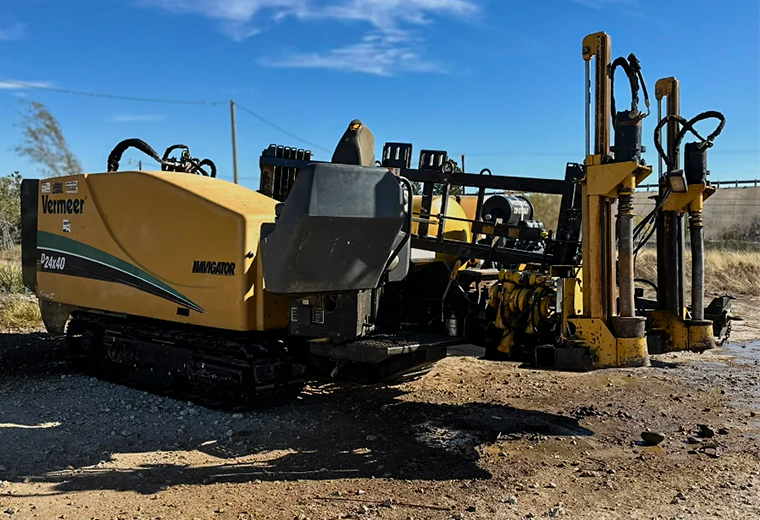
I remember this one job back in ’21. A client had a D24x40, and he was fighting a bore. Just fighting it. High torque spikes, slow penetration, the whole crew was miserable. He called me up, frustrated, asking if our rods were “softer” than his old ones.
Honestly? My ego wanted to get defensive. But I drove out there. And that’s where I had my “Ah-ha!” moment.
I looked at his setup. He was running a rod that was technically the right length and thread, but it was a heavier series—thicker wall. On a Vermeer D24, that extra weight and stiffness was actually working against him in that specific clay. The rod was too stiff for the slight bend radius he was trying to hold, and it was fatiguing the machine. It was like trying to write your name with a Sharpie when you need a pencil.
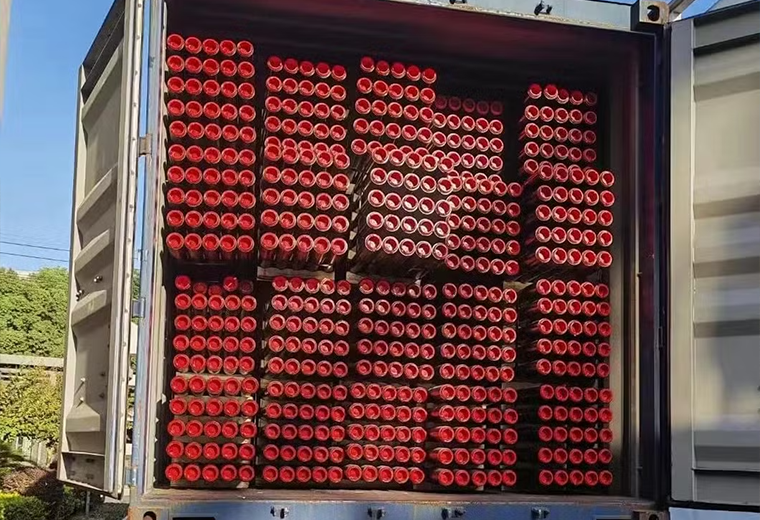
Here is the thing I wish someone had sat me down and told me five years ago: You aren’t buying a piece of steel. You are buying a partner for your Vermeer.
Think of it like this. Your Vermeer rig is an athlete. It has a specific power band, a specific hydraulic output, and a specific bend radius it likes to work in. If you hand that athlete the wrong tool, they are going to pull a muscle. They aren’t going to win the race.
So, how do we pick the right partner?
1. Match the “Flex,” Not Just the Size
Everyone looks at the diameter of the rod. But on a Vermeer, especially the smaller guys like the D10x15 or the D23x30, the flexibility is key. Vermeers are known for their ability to navigate tight bores.
If you put a rod that is too stiff in there, you’re basically telling your machine, “Sorry buddy, no more tight turns for you.” You need a rod that has the right balance of strength and flexibility to match the capabilities of your carriage. I learned that the hard way watching that D24 struggle.
2. The Thread is the Heartbeat
I used to ignore threads. I know, stupid. But the thread is where the magic—or the misery—happens.
If the thread design doesn’t match the way your Vermeer makes up the rod (the spin-on and spin-off), you’re going to get cross-threading. Or worse, you’ll get “false makeup,” where it feels tight, but it’s actually loose and about to split apart 200 feet down the hole.
Look for a thread profile that’s designed for speed and durability. You want a connection that makes a satisfying “thud” when it seats, not a grinding “crunch.”
3. Trust Your Gut (and Your Grease)
I know this sounds weird, but honestly? A good rod feels right. When you’re pulling it out of the rack, the weight distribution should feel balanced for your machine. And when you grease the threads (you are greasing your threads, right? Don’t lie to me.), it should feel smooth.
If you’re constantly fighting your rods—they’re hard to break out, they’re whipping too much in the hole—it’s not you. It’s the relationship.
At the end of the day, I stopped just selling rods and started listening to the machines. Our shop started making rods that we’d actually want to run on our own rental fleet.
Next time you’re looking at your Vermeer, ask it what it needs. And if you’re scratching your head, wondering why a bore is fighting you, shoot me a message. I love talking about this stuff.
Happy drilling, folks. Stay safe out there.
Keep boring smart
By Frank
HDD Engineering Sales
RICHDRILL EQUIPMENT CO.,LTD
Share :
Recently Released
- Why Your HDD Drill Rod Sometimes Feels Like It Has a Mind of Its Own (And How to Fix It)
- Is HDD Drill Rod Really Resistant to Corrosion?
- How does the drill know where to go? (HDD Steering Made Clear)
- So, You Wanna Know How HDD Drill Rods Are REALLY Made?
- Why Matching Your HDD Drill Pipe to Your Rig Model Might Be a Trap