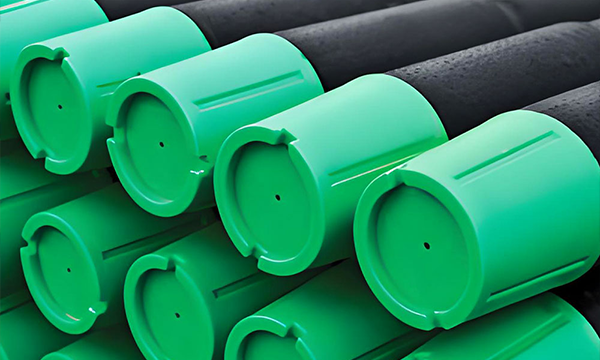
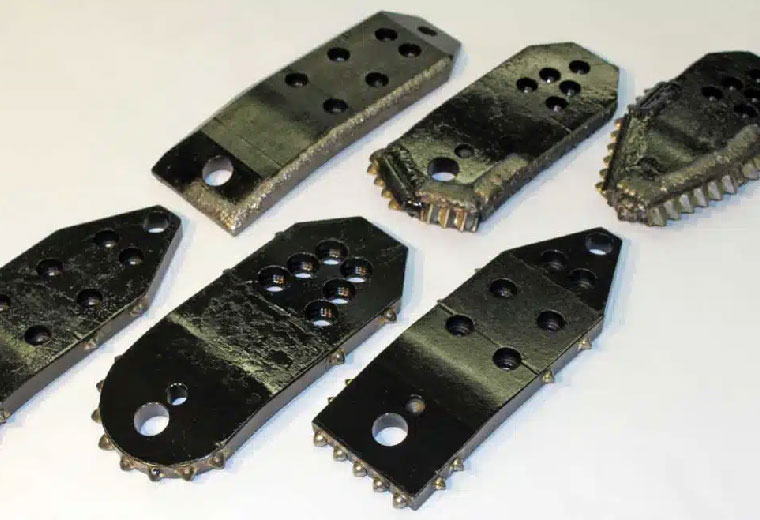
Two suppliers quote drill pipe for a Ditch Witch JT20. Both describe their rods as roughly ten feet long. One lists a 2.63-inch tool joint; the other lists 2.50 inches. Which quote is wrong? Possibly neither. The manufacturer lists more than one pipe entry for the JT20. Before comparing prices, identify the pipe installed on the particular rig and ask each supplier which catalogue entry its quotation references.
What size drill pipe does a Ditch Witch JT20 use?
The October 2025 Ditch Witch parts book lists part 355-1107 in the Power Pipe HD / Fluid Miser II section and part 355-1246 in the Forged HD section. Both entries name the JT20, and their dimensions differ. The table below transcribes selected values for those two entries. Use the complete catalogue row and confirm the current part for the rig before ordering. The product illustration shows the features discussed here; it does not identify either catalogue part.
| Catalogue detail | 355-1107 | 355-1246 |
|---|---|---|
| Body outside diameter | 2.06 in | 2.10 in |
| Tool joint outside diameter | 2.63 in | 2.50 in |
| Thread designation shown | 1.94 | 1.94 |
| Listed length | 9.8 ft / 3 m | 10 ft / 3.05 m |
| Listed bend radius | 107 ft | 109 ft |
Notice which numbers move in opposite directions. The second entry has the larger pipe body and the smaller tool joint. A sales note that says “the larger rod” therefore means different things depending on where someone placed the caliper. Keep the diameter label beside each number when transferring a dimension to a purchasing sheet. The source for both entries is the Ditch Witch HDD parts book.
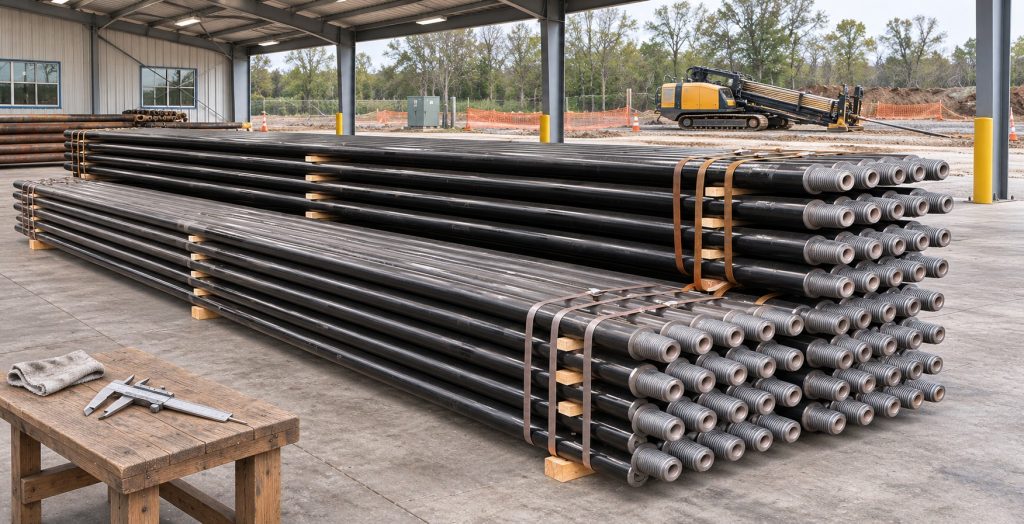
Where to measure an existing rod
With a loose rod safely supported for inspection, identify the long tube, the enlarged joint and the projecting threaded pin. They are three distinct locations. Record the body diameter on a clean straight section, away from the transition into the joint. Record the joint diameter at the location identified on the supplier’s drawing. Keep each photograph with the corresponding note so a buyer can tell which measurement belongs in which field.
A yard measurement on used pipe describes that piece in its present condition. The catalogue gives a nominal value. Wear, a damaged edge or an awkward measuring position can affect the comparison. If the paperwork and the measurements disagree, keep both observations on the request. Rounding a reading until it matches the nearest row hides exactly the discrepancy that the supplier needs to resolve.
Does a matching thread designation settle compatibility?
Both rows carry the same thread designation in this edition. That is useful for narrowing the enquiry, but the rows still have different part numbers, joint diameters and lengths. The table alone does not establish whether the two products can be mixed on a particular machine. Ask for written confirmation covering the proposed rod, the existing string and the fitted machine-side connection. A photograph can locate the shoulder or reveal a missing marking; it cannot establish the fit of every mating surface.
If the owner acquired the machine secondhand, send the identity of the pipe actually in the rack. A manual filed with the rig may describe its original equipment. The relevant question for a top-up order is which pipe the new rods will work alongside. If the order is for a complete change of pipe system, tell the supplier that explicitly so it can identify any additional components or configuration checks.
What does the length difference mean for a purchase order?
In conversation, a crew may call both options “ten-foot rods.” On an order for fifty rods, the arithmetic using the catalogue’s rounded imperial figures is 490 feet versus 500 feet. That ten-foot difference illustrates the cost of rounding at the start of a calculation. It is not a prediction of actual bore coverage. Ask for the confirmed effective length added by each assembled rod, identify the units and use that value for the job tally.
Keep the original unit on the drawing when greater precision matters. A rounded imperial catalogue entry and a rounded metric equivalent can produce different totals when multiplied by fifty. The crew’s measurements and purchasing spreadsheet should use the same confirmed working length. For a separate example of converting string length into rods and reserve stock, see the HDD drill rod count guide.
How to compare an aftermarket quote with the parts book
Ask the vendor to identify its own part number and the original part it references on the same line. Then request the drawing or specification for the item it will supply. Record the body diameter, joint diameter, thread designation, working length and bend specification. If the vendor lists a different dimension, ask what that dimension describes and how the proposed configuration was verified. A dimensional difference deserves an explanation before the buyer treats two prices as comparable.
Richdrill’s Ditch Witch compatible drill pipe range is a starting point for that enquiry. Include the requested quantity and clarify whether it covers working rods alone or also includes spares. A buyer comparing delivered prices should also specify the delivery point and what the supplier includes for packing and thread protection.
A receiving note the next shift can use
Suppose twelve rods arrive for a JT20 and the delivery ticket says only “JT20 pipe, quantity 12.” Before adding them to the existing rack, match the bundle label to the approved vendor part number and the quoted reference part. Count the pieces, check the delivered identification and record the disposition of any item held for clarification. If the bundle contains more than one marking, keep the groups identifiable until the supplier explains the difference.
A practical handover records the machine ID, existing pipe reference, ordered part, delivered marking, quantity accepted and any quantity on hold. Months later, when another buyer sees two plausible JT20 entries in the catalogue, that one record answers the most important question: which pipe did this yard actually accept for this machine?