Hey there, everyone!
Let’s talk over a coffee or, even better, a beer. For about five years, I’ve worked in the HDD world, selling drill rods and tools at a factory. And to be honest? I’ve seen some things.
The other day, I was in a customer’s yard and saw a guy break the connection by hitting a perfectly good drill rod with a sledgehammer. For a moment, my soul left my body.
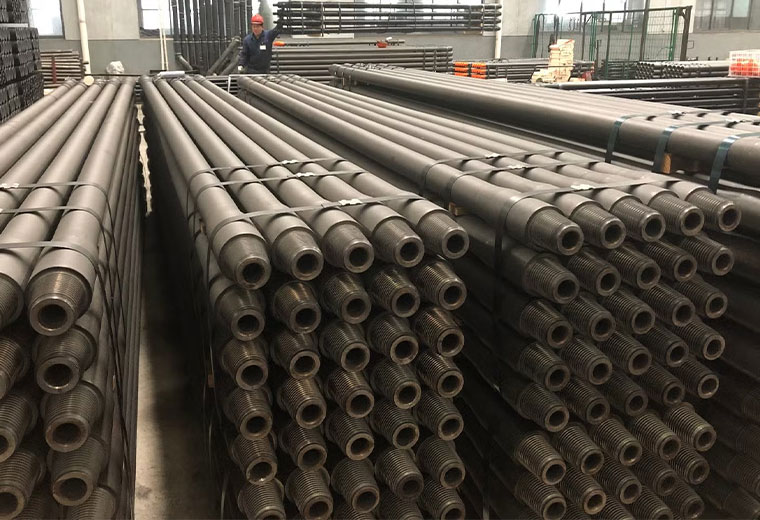
So, yes. Let’s talk about how to keep your HDD drill rods in good shape. Not because I like to nag, but because I hate seeing good steel go to waste and your money go down the drain.
Stop acting like your rods can’t be broken
I used to think that drill rods were these strong, unbreakable pieces of steel. And don’t get me wrong, they’re tough. But they aren’t magic. I remember when I first started working in this field. I was helping a crew on a city job, and the operator kept cranking up the torque, thinking that “more is better.” That was until we pulled the string and saw that the threads on three rods were completely broken.
That was my “aha” moment: you can have the best steel in the world, but if you don’t respect the threads, you’re just throwing money away.
Like relationships, threads need care.
I tell my customers to treat their threads like they’re their best friends. Don’t slam them together like they owe you money; just clean them and oil them.
I can’t tell you how many times I’ve been there and seen guys run the box end into the pin end at full speed. I understand that you have a deadline and that time is money. But that makeup that dries quickly? That’s how you make threads gnarled. And once threads start to get galled, things start to go wrong. You’ll lose torque transfer, and then you’ll have to fish a broken rod out of a hole at 4 p.m. on a Friday.
I have a small jar of thread compound in my truck. Just good, clean thread lubricant, not the fancy stuff. I swear by it. Their rods last twice as long when the crew takes the extra ten seconds to brush it on. I’ve seen it with my own eyes.
Wash ‘Em—No, Really
This one sounds obvious, right? But you’d be shocked. Mud, sand, and grit get stuck in the threads and the connections on the shoulders. Last summer, I worked on a job where the foreman said his rods kept “getting loose” in the middle of the bore.
I walked over, grabbed a rag, and wiped off about a quarter-inch of dried mud from the shoulder of a rod. He just looked at me.
That dry mud was acting as a spacer. The shoulder wasn’t sitting right. So every time they pushed or pulled, the connection took all the stress instead of the shoulder.
What is the moral of the story? Clean your threads and shoulders. All the time. I don’t care how you do it, just get the junk out. A rag, a wire brush, or a pressure washer will work.
You should care more about storage than you think.
This is something I didn’t learn until a few years later. Leaving rods in the mud, stacked on the ground, or just thrown in a pile? That’s how they get scratched, bent, and rusty.
One of my customers kept all of his rods outside, stacked on blocks of wood. The boxes were full of water every winter, and by spring, the threads were rusty. He thought it was just “surface rust.” But what about rust inside the connection? That works like sandpaper when you put the joint together.
Now I tell people to either stand them up or keep them off the ground. Put something over the ends. Taking care of things while they’re in storage will save you a lot of trouble later.
The “Listen” Test
What I’ve noticed over the years is that A good operator can tell when a connection is bad before it breaks. I mean it. Do you hear a clicking or knocking sound when you turn? A loose or worn connection is often the cause.
One of my favorite crews in Texas, the drill operator would literally hit each rod with a wrench before stabbing it. He was listening for a “dull thud” instead of a “ring.” A dull thud meant that the threads were worn out or that the mud had dried. A smart guy. His rod string lasted longer than anyone else’s in the area.
Small habits, not secrets
Listen, I’m not here to preach like I know everything. I’m still learning as well. But after five years of selling and supporting these products, I’ve learned one thing: the people who take care of their rods are the ones who finish jobs on time and under budget.
It’s not a big deal. It’s just little things. Clean the threads. Lube that works. Makeup that is soft. Storage that is dry. Pay attention to your rig.
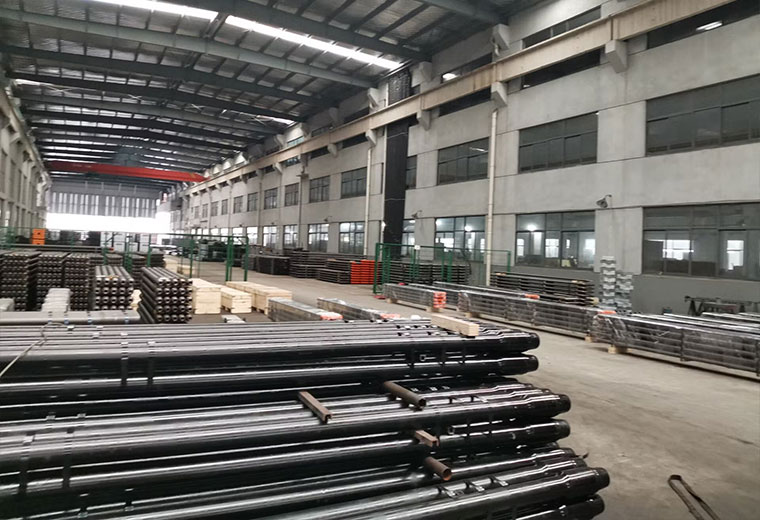
So the next time you pull a bunch of rods out of the ground, take an extra minute. Wipe them off. Put some lube on before you stab them back in. Your future self and your wallet will be happy.
Okay, that’s enough of that. Back to work.
Do you have any funny stories about drill rods? Please leave a comment below. I’d love to hear them.
Keep boring smart
By Frank
HDD Engineering Sales
RICHDRILL EQUIPMENT CO.,LTD
Share :
Recently Released
- Richdrill HDD What Products Do They Make? A No-Nonsense Guide from a Guy Who Sells Them
- How Many HDD Drill Rods in a 20ft or 40ft Container? An Honest Answer from a Factory Guy
- How to Detect Fake HDD Drill Rods Before They Fail Downhole
- How Stabilizers and Reamers Add Stress to Your HDD Drill Rods (And What You Can Do)
- When to Scrap Your HDD Drill Rods: OD Wear, Wall Thinning and Ovality Limits