You know that feeling when you’re halfway through a bore, the locator is shouting numbers, and you’re sure you pulled the right shot—but the head just went left for no reason?
Yeah. I’ve been there. And let me tell you, for the longest time, I thought I was losing my touch.
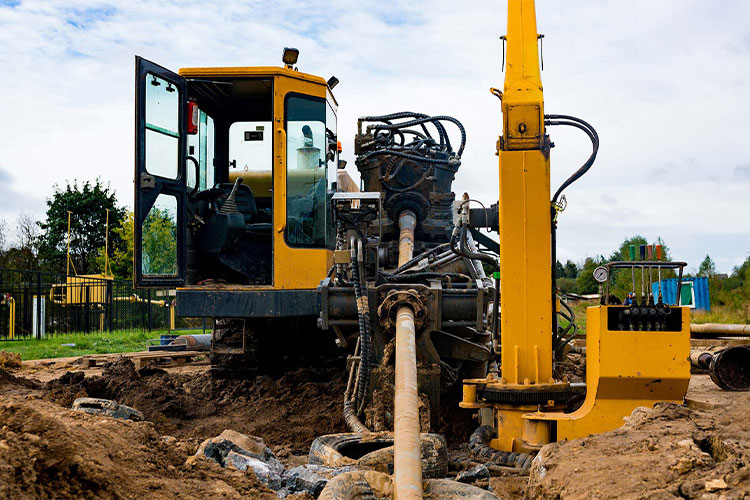
I used to blame the ground conditions. Or the tracking system. Or maybe the phase of the moon. But a few years into this gig—back when I was still swinging a hammer on the crew before moving to the sales side—I had this “ah-ha!” moment that changed how I look at every rod we thread up.
The Day an Old-Timer Called a Rod “Sleepy”
We were punching through this nasty clay mix. Nothing crazy, but the tooling kept walking. We swapped mud, checked the jet, everything. Finally, this old-timer on the crew—guy who barely says two words—walks over, picks up the next rod, and just looks at it. Runs his hand down the tube.
He goes, “This one’s sleepy.”
I laughed. But he was right.
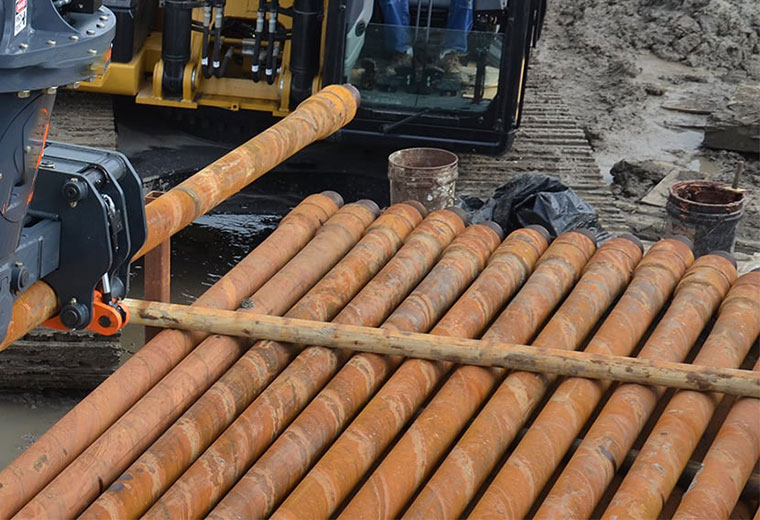
We swapped to a different stick from the rack, and suddenly we were holding line again. That day clicked for me: The drill rod isn’t just a connector. It’s the messenger. If the rod is bent, or the wall thickness is inconsistent, or the box end is slightly off, it’s not just spinning pipe—it’s sending the wrong message to the bit.
What “Straight” Actually Means When You’re 500 Feet In
Here’s what I mean.
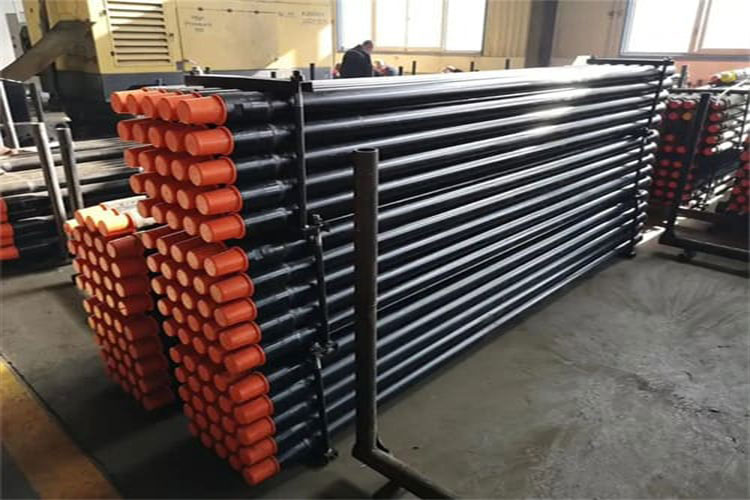
When you’re pushing thousands of pounds of thrust, even a tiny imperfection in the rod translates to a big mistake 500 feet back. I started paying attention to the straightness. Not just “looks straight,” but the kind of straight that comes from quality steel and proper heat treat. You can’t see it with your eye, but you sure feel it in the bore.
I remember one job where we kept losing line by about two degrees every third rod. Two degrees! Doesn’t sound like much, right? But by the time we hit 400 feet, we were damn near in the next county. We swapped out the whole string with rods from a different batch—same manufacturer, same spec, just a different run—and the problem disappeared. The only difference? The first batch had a slight inconsistency in the wall thickness. You couldn’t measure it with a tape, but the ground sure could.
The Connection Point: Where the Lies Start
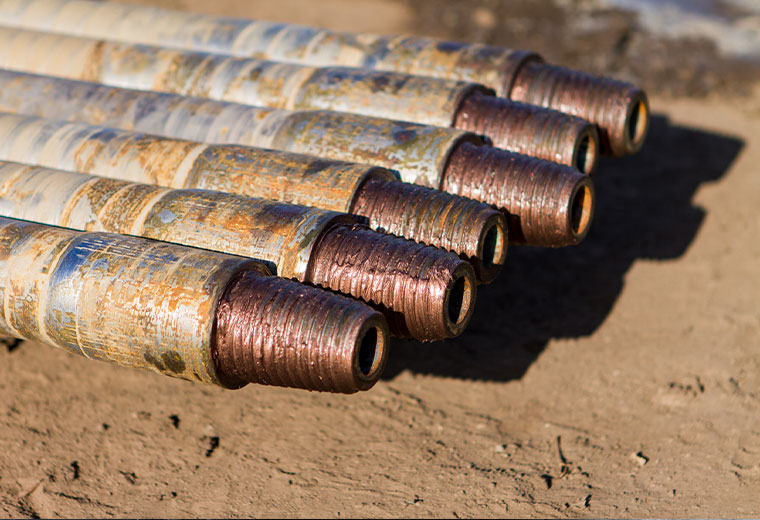
And the connection point? That’s where the lies start. If the shoulder doesn’t seat perfectly flush, you get this micro-wobble. It’s tiny. But it’s enough to make your steering erratic. It’s like driving a car with a slightly flat tire—you’re constantly fighting the wheel.
I’ve seen crews torque connections like crazy trying to fix this, thinking they just didn’t get it tight enough. But here’s the thing: if the taper angles don’t match perfectly, all the torque in the world won’t make that connection true. It’s going to wobble. Period. The best connections I’ve seen are the ones where you thread them up and they just feel right—smooth engagement, solid shoulder contact, no slop.
The Metallurgy Sweet Spot Nobody Talks About
I also learned that a “stiff” rod isn’t always your friend. Sure, you want power transfer, but you also need that slight, predictable flex to actually bend the string and make the turn. If the metallurgy is too hard, it becomes brittle. If it’s too soft, it turns into a banana. The magic is in that sweet spot where the rod has enough “spring” to hold the bend you need without kinking.
I watched a guy snap three rods in one morning once. Just popping them right at the box. He’s cussing the ground, cussing the rig, cussing everything. I walked over and looked at the break. Clean, sharp—like a carrot snapping. That’s a classic sign of rod that’s too hard. It transferred every bit of stress right to that one spot instead of flexing and distributing it down the length. Switched to a rod with more temper in it, and he finished the day without another issue.
Why Manufacturing Consistency Matters More Than Specs
Here’s something else I’ve noticed over the years: two rods can have the exact same numbers on paper and perform completely different in the ground.
I’ve seen cheap rods that were straight out of the crate and bent after one pullback. I’ve seen premium rods that lasted thousands of feet and still threaded up like new. The difference isn’t the steel grade on the certificate—it’s the consistency of the manufacturing. It’s the heat treat process. It’s the quality control that catches the one rod in fifty that’s slightly off before it ever gets to you.
I had a customer call me once, frustrated because he was fighting steering issues on every bore. He’d been in the business fifteen years, knew his stuff. I asked him about his rods. He said they were “fine”—some mix of whatever was cheapest at the time from three different suppliers. I talked him into cleaning out his rack and starting fresh with a matched set from one manufacturer. Next time I talked to him, he laughed and said, “I didn’t realize I’d been fighting my own pipe for two years.”
The Little Things That Tell You a Rod Is Good
You start to notice things after a while. The way a good rod threads up smooth, no catching, no roughness. The way the coating stays put instead of flaking off after one bore. The way the box end holds its shape bore after bore instead of bell-mouthing on you.
I had a guy tell me once that he could tell a good rod by the sound it made when you dropped it on the rack. Thought he was crazy until I tried it myself. A good rod rings clean. A rod with a micro-fracture or internal stress? Thuds. Sounds dead. Now I’m not saying you should go around dropping your whole rack of rods to test them—your crew will think you’ve lost it—but it tells you something about how much information is hiding in that piece of steel.
When the Rod Is the Messenger, Not the Problem
Look, I’m not saying every steering problem is the rod’s fault. Ground conditions change. Trackers drift. Operators have bad days. But what I learned that day in the clay with the old-timer is that the rod is carrying all the information from the bit back to you. If that messenger is compromised, everything gets scrambled.
So next time you’re fighting the hole and you’ve checked every other variable, look at the pipe in your hand. Ask yourself: Is this rod working with me, or is it fighting me?
For me, that day in the clay taught me to stop fighting the gear and start listening to it. And honestly, once you start paying attention, the rods will tell you exactly where they want to go. You just gotta know what to look for.
Keep boring smart
By Frank
HDD Engineering Sales
RICHDRILL EQUIPMENT CO.,LTD
Share :
Recently Released
- Richdrill HDD What Products Do They Make? A No-Nonsense Guide from a Guy Who Sells Them
- How Many HDD Drill Rods in a 20ft or 40ft Container? An Honest Answer from a Factory Guy
- How to Detect Fake HDD Drill Rods Before They Fail Downhole
- How Stabilizers and Reamers Add Stress to Your HDD Drill Rods (And What You Can Do)
- When to Scrap Your HDD Drill Rods: OD Wear, Wall Thinning and Ovality Limits