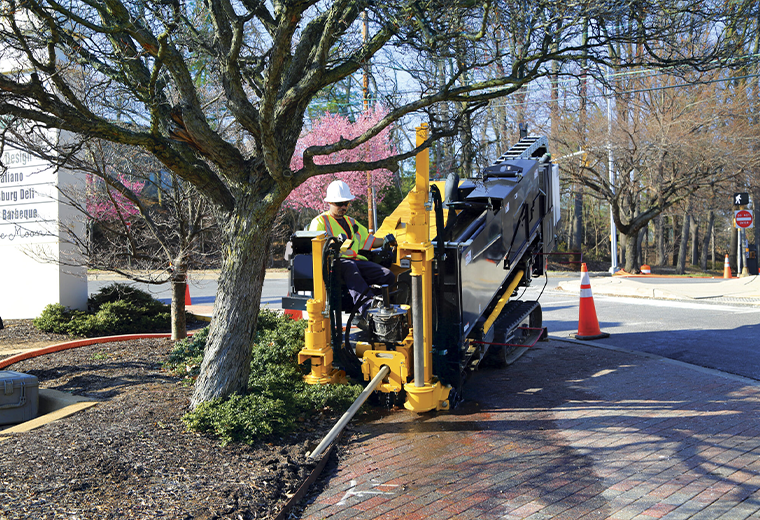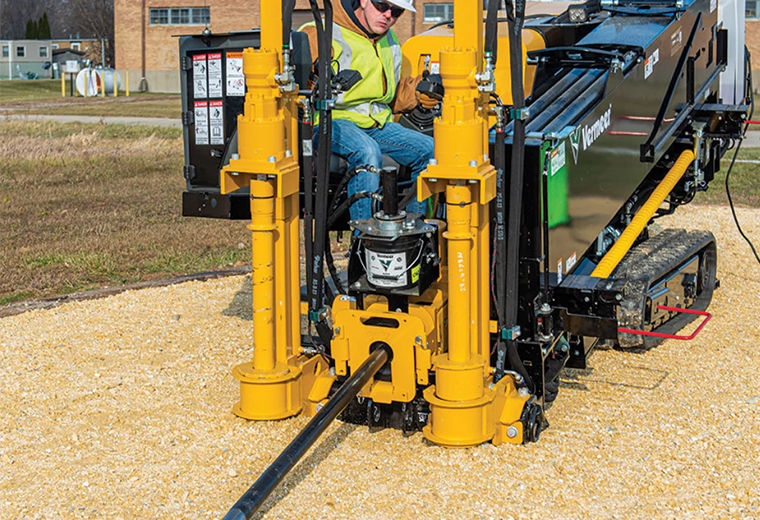
Hey friend — got a minute? Grab a coffee. Let’s talk about something that used to keep me up before big drills: choosing the right drill bit. I used to think it was all about machine power.
Then I learned the hard way: you can have the strongest rig on the planet, but if you’re using the wrong bit for the ground, you’re just having a very expensive, very slow argument with the Earth. And the Earth always wins.
I want to share a few “aha!” moments from the field — not from a manual — that changed how I see bit selection.
That One Job Where Everything Went Wrong (My Wake-Up Call)
A few years back, we had what looked like a straightforward pull: 300 feet, urban area, soils report said “mostly cohesive clay.” We mounted a standard winged reamer and a smooth, flow-through pilot bit. For the first hundred feet, it was poetry — smooth torque, clean returns.
Then the rig started shuddering. The torque spiked like a heartbeat. We thought we’d hit a utility. After a frantic locate check (all clear), we finally realized: we’d drilled into an old, undocumented riverbed zone — wet, loose sand and rounded river gravel. Our nice, slick bit was just pushing the gravel around, compacting it instead of cutting it. Progress dropped to inches per hour. The client’s face said it all. That was the day I learned: the soil report is a love letter; the ground is the real relationship. You have to be ready for surprises.
So, How Do You “Date” the Ground? (Picking Your Match)
Forget the “one perfect bit.” Think of it like choosing shoes. You wouldn’t wear flip-flops to hike a rocky mountain, right?
- For the Soft & Smooth (Clay, Silt)
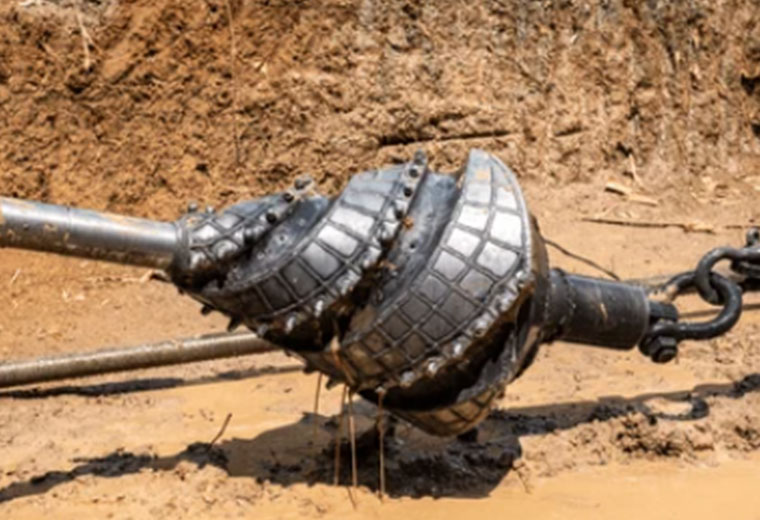
This is your comfortable walk. You want bits with a wider cutting profile and good fluid flow channels. They slice cleanly and evacuate material fast. If you use something too pointy or aggressive here, you’ll often get “balling” — where clay sticks to everything and turns into a messy, ineffective glob. A simple, well-designed blade bit is often your best friend here. It’s about finesse, not force. - When Things Get Gritty & Cranky (Sand, Gravel, Cobbles)
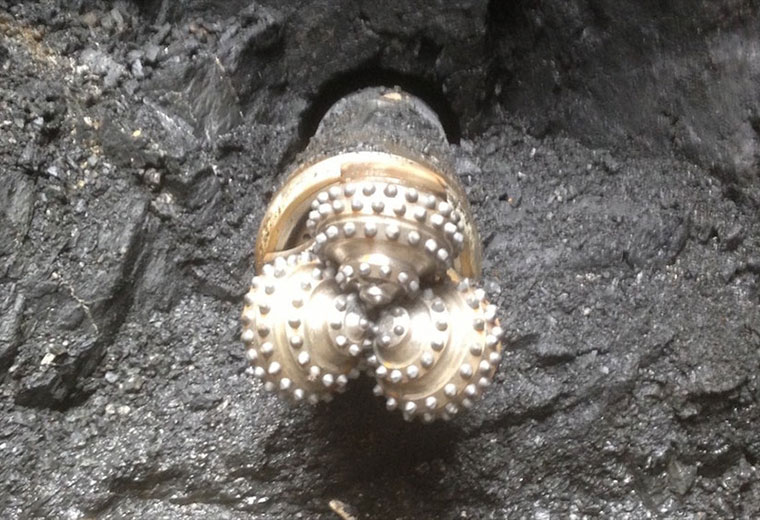
This is where I made my biggest mistake. Loose, abrasive stuff wants to deflect your bit and wear it down. Now I look for bits with a more pronounced, rugged structure — think cone-type bits or hybrid designs with features like “teardrop” shapes or backreaming carbide blocks. Their job isn’t just to cut, but to crush and consolidate the formation so it can be flushed out. It’s a different mindset. - The Tough Nut: Solid Rock
Here, it’s a grinding game. You need bits with serious, durable teeth — think carbide inserts or diamond-enhanced buttons — that can chip, scrape, and fracture the rock. Torque will be high, progress will be slow and steady. The key is patience and the right metallurgy. Trying to save money here with a softer bit is a recipe for a spectacularly short bit life. - The Complicated One: Mixed Geology
Ah, the classic “clay, then sand, then maybe some shale” special. This is the ultimate test. Sometimes, the smartest move is to plan for a mid-pilot hole bit change. Other times, you go with a versatile multi-formation bit designed to handle a bit of everything. The trick is to listen to the rig and read the spoils. If the cuttings suddenly change from smooth chips to gritty sand, your bit might be struggling even if the torque looks okay.
Your Secret Weapon: Reading the Spoils Like Tea Leaves
My biggest personal change? I became obsessed with the spoils pile. Early on, I’d just monitor pressure and torque. Now, I’m constantly checking what comes out. The color, the size of the fragments, the texture — it’s the ground’s real-time diary.
- Long, curly chips? You’re in good clay, and your bit is happy.
- Fine, sandy slurry with few distinct pieces? You might be grinding, not cutting.
- Sudden, jagged fragments? You’ve likely hit a harder layer.
That spoils pile is giving you free, instant feedback. Ignoring it is like driving with your eyes closed.
The Real Talk: No Bit is a Magic Bullet
Look, we make great bits. But a great bit in the wrong ground is just a wrong bit. The goal isn’t to sell you the most expensive tool in the box; it’s to help you finish the job faster, with less downtime and less wear on your whole string. Sometimes that means a standard, economical bit. Sometimes it means a specialty tool. The wisdom is in knowing the difference.
So next time you’re planning a bore, take a deep breath and really think about who you’re introducing to your drill string. Is the ground soft and predictable? Tough and unyielding? A confusing mix of personalities? Choose the bit that’s ready for that conversation.
Got a horror story or a genius save from picking the right bit? I live for these stories — hit reply and share. Let’s learn from each other.
Keep boring smart
By Frank
HDD Engineering Sales
RICHDRILL EQUIPMENT CO.,LTD
Share :
Recently Released
- Why Your HDD Drill Rod Sometimes Feels Like It Has a Mind of Its Own (And How to Fix It)
- Is HDD Drill Rod Really Resistant to Corrosion?
- How does the drill know where to go? (HDD Steering Made Clear)
- So, You Wanna Know How HDD Drill Rods Are REALLY Made?
- Why Matching Your HDD Drill Pipe to Your Rig Model Might Be a Trap