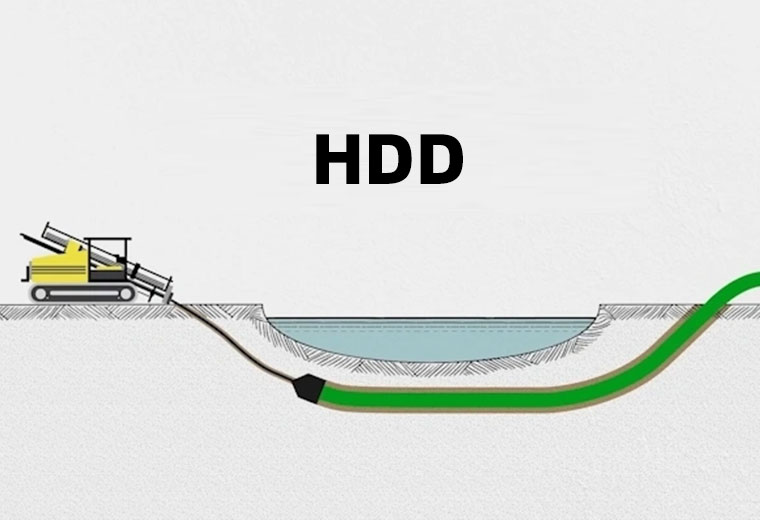
Hey there! So, you’re curious about how HDD drill rods and bits are actually connected? Let me tell you — I had the exact same question when I first stepped into this industry.
I remember walking into our factory workshop five years ago, watching our guys assemble these sturdy-looking rods and thinking, “Wait, how does this thing actually stay together down there in the mud and rock?”
Turns out, it’s both simpler and sneakier than I thought.
It’s All in the Threads (No, Really)
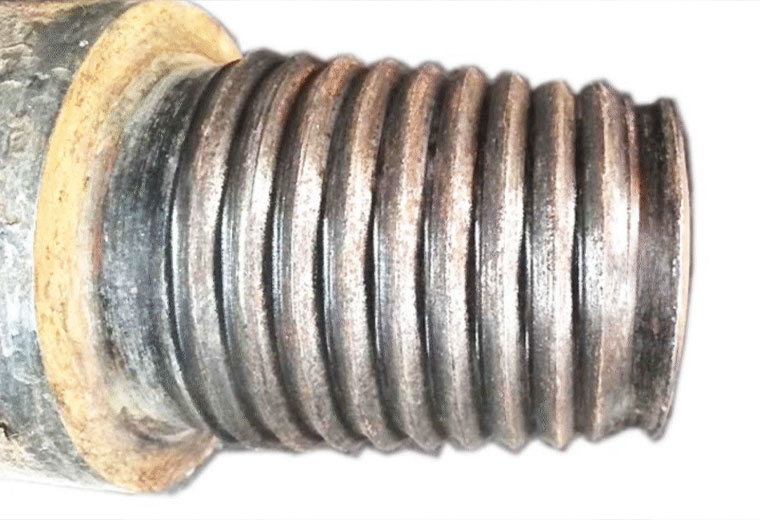
Here’s the real talk: it’s all about the threads. Yep, good old-fashioned threading — but not like the one on your water bottle. These threads are tough, precision-cut, and honestly, they’re what makes or breaks a smooth drilling run.
I’ll never forget this one time early in my job. We had a client who kept having premature wear on their rods near the connection. Everyone was suspecting rock hardness or machine issues… until our tech took a closer look. Turns out, the threads weren’t being cleaned properly before connection.
Little grit, little mud, and over time — boom, you get micro-wear that turns into a big problem. That was my “aha” moment: the connection isn’t just a piece of hardware; it’s a handshake between the rod and the bit. If the handshake is weak or dirty, everything downstream suffers.
The Giant, Tough Puzzle
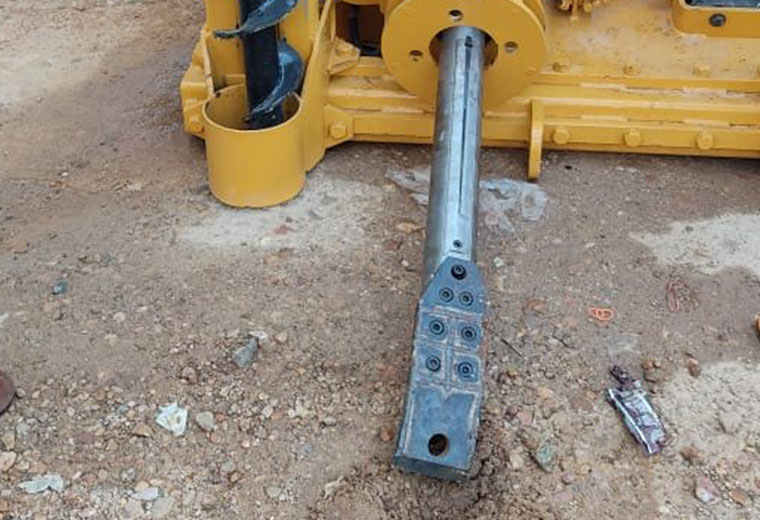
So how does it actually work? Picture this: each drill rod has a male thread on one end and a female thread on the other. You attach the bit to the first rod—usually with a similar threaded setup—and then you keep adding rods as you drill deeper. It’s like putting together a giant, super-strong puzzle, one piece at a time.
But here’s the thing no one tells you loud enough: it’s not just about screwing them together.
The “Feel” is a Real Thing
It’s about feel. Experienced drillers often talk about “making up” the connection to the right torque — too loose, and you risk separation or slurry leakage; too tight, and you might stress the threads or make disassembly later a nightmare. There’s a sweet spot, kind of like tightening a bolt just enough so it’s secure but not strained.
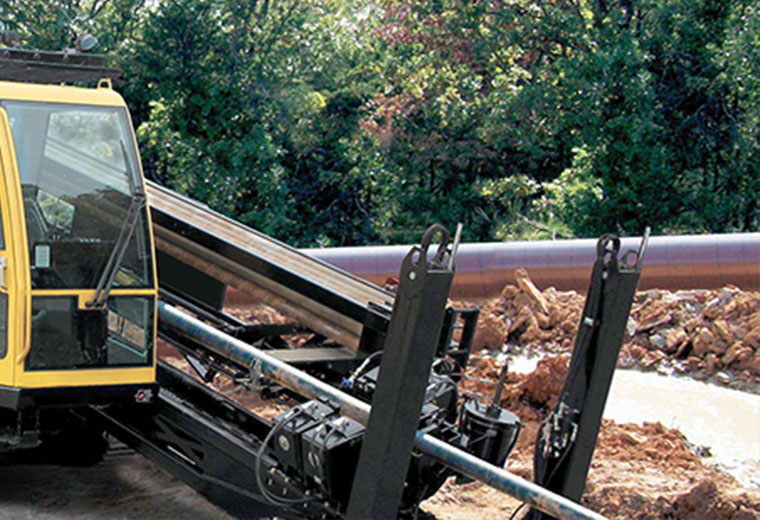
And don’t even get me started on thread types. There’s API regular, modified, specialty profiles… It can feel like alphabet soup sometimes. But in plain English? It’s about matching the right thread to the right job. Some are great for straight pulls, others handle rotation and curves better. If you’re curious about specifics for your setup, just ask — I geek out on this stuff and love talking through real cases.
A Little Care Goes a Long Way
What matters most in the field, honestly, is care. Clean your threads. Protect them from hard impacts when they’re disconnected. Use thread compound if needed — and not just any grease, the right one. I’ve seen too many good rods ruined because of rushed connections or “it’ll be fine” attitudes.
At the end of the day, that connection point is a tiny but mighty zone. It’s where the power from your rig gets passed down to the bit to do the actual cutting. No flashy tech, no magic — just solid engineering and a little human attention.
So next time you’re on site, give that thread a second look. Maybe even wipe it clean before you connect. Your drill string will thank you later.
Anyway — that’s my little share. Got your own thread story or a tricky connection situation? Hit reply. I’m always up for a shop talk chat.
Keep drilling smart,
By Frank
HDD Engineering Sales
RICHDRILL EQUIPMENT CO.,LTD
Share :
Recently Released
- Why Your HDD Drill Rod Sometimes Feels Like It Has a Mind of Its Own (And How to Fix It)
- Is HDD Drill Rod Really Resistant to Corrosion?
- How does the drill know where to go? (HDD Steering Made Clear)
- So, You Wanna Know How HDD Drill Rods Are REALLY Made?
- Why Matching Your HDD Drill Pipe to Your Rig Model Might Be a Trap