So, you just pulled your drill string out of the ground and — ugh — those threads look kinda rusty. Or maybe you opened a box of “fresh” drill rods only to find a subtle, suspicious orange tint on the connections.
Been there, my friend. Actually, let me tell you a little story.
When I first started in this field, I used to think rust on threads was just…normal. Like, it’s steel, it’s outside, it gets wet — what can you do, right?
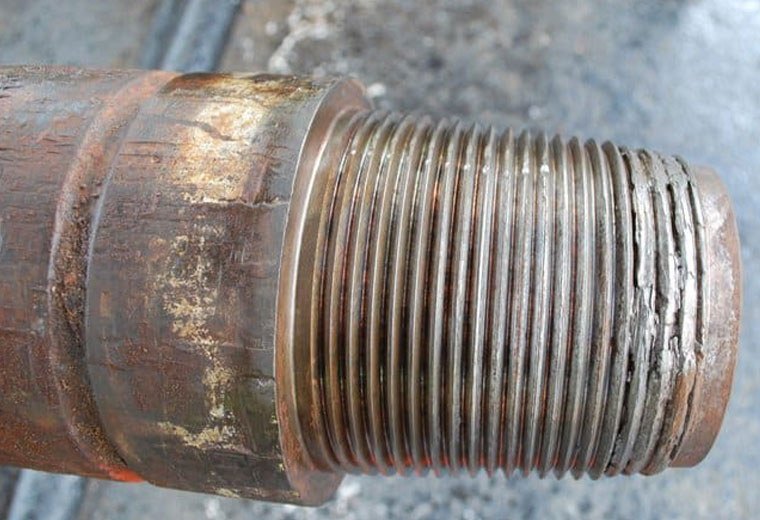
Then one day, I was on-site watching a crew struggle to make up a connection. They were forcing it, using extra torque, and I could literally hear that gritty, unhappy sound — like metal chewing metal. That was my “aha” moment. Rust isn’t just a cosmetic issue; it messes with your fit, wears out threads faster, and can even lead to downtime or breaks. Not cool.
So what do we do about it? Here’s what I’ve picked up over the years, talking to crews and testing stuff out in our yard:
Clean before you store — really
I know, packing up after a long day is the worst. But just a quick wipe of the threads with a dry cloth before stacking rods saves so much headache later. If there’s mud or grit, rinse it off and let them dry. Moisture plus dirt = instant rust starter pack.
A little grease goes a long way
Some folks think grease is just for making connections smoother during drilling. True — but it’s also a barrier against moisture. A thin, even coat on clean threads before storage keeps the air from attacking the steel. Don’t goop it on thick; you don’t want to trap abrasives inside.
Store them like you care (even when it’s raining)
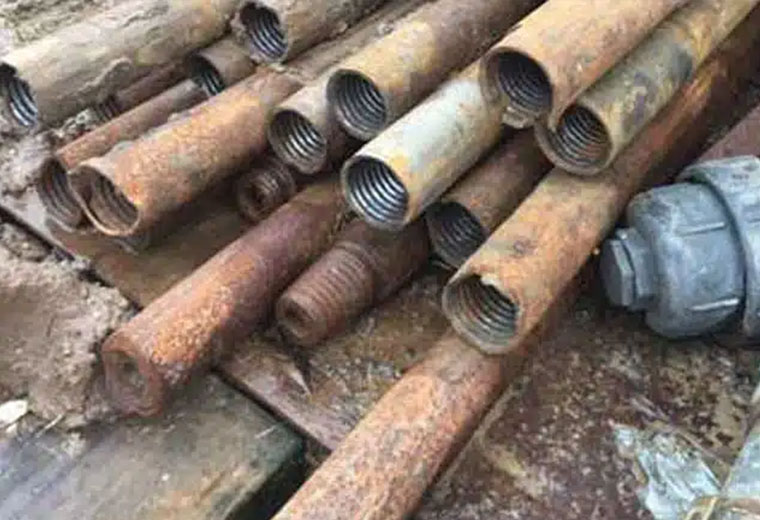
I’ve seen rods left in muddy fields, under tarps that collect pools of water… yeah, no surprise when they come out rusty. If they’ll sit for a while, keep them under cover and off wet ground. Simple racks or pallets help air circulate.
If rust already showed up…
Don’t panic. Light surface rust can often be cleaned off with a brass brush — never a steel brush, you don’t want to scratch the metal. For tougher spots, there are rust inhibitors and thread cleaners made for this. Just avoid harsh acids or aggressive scraping. If the threads look pitted or damaged, though… it might be time to retire that rod. Forcing a damaged thread is asking for a failure downhole.
Check new deliveries too
Once I received a batch that had a faint blush of rust straight from the supplier. Turns out, they’d been shipped during rainy season and the packaging wasn’t fully sealed. Now I always give new rods a quick look-in before signing off. It saves the “wait, is this us or them?” conversation later.
At the end of the day, threads are where the power transfers from one rod to the next. Keeping them clean and protected isn’t just maintenance — it’s making sure your drill string stays your friend, not your problem.
What about you? Any rust-busting tricks you swear by? Hit reply and share your stories — I love swapping field hacks.
Keep boring smart
By Frank
HDD Engineering Sales
RICHDRILL EQUIPMENT CO.,LTD
Share :
Recently Released
- Why Your HDD Drill Rod Sometimes Feels Like It Has a Mind of Its Own (And How to Fix It)
- Is HDD Drill Rod Really Resistant to Corrosion?
- How does the drill know where to go? (HDD Steering Made Clear)
- So, You Wanna Know How HDD Drill Rods Are REALLY Made?
- Why Matching Your HDD Drill Pipe to Your Rig Model Might Be a Trap