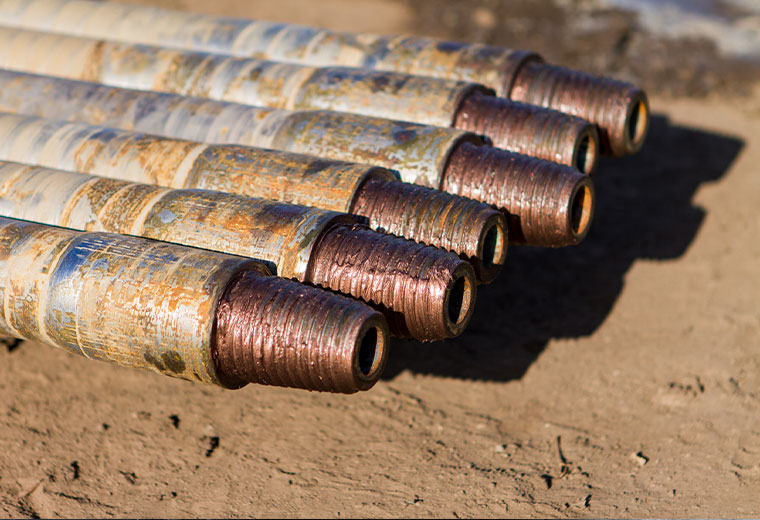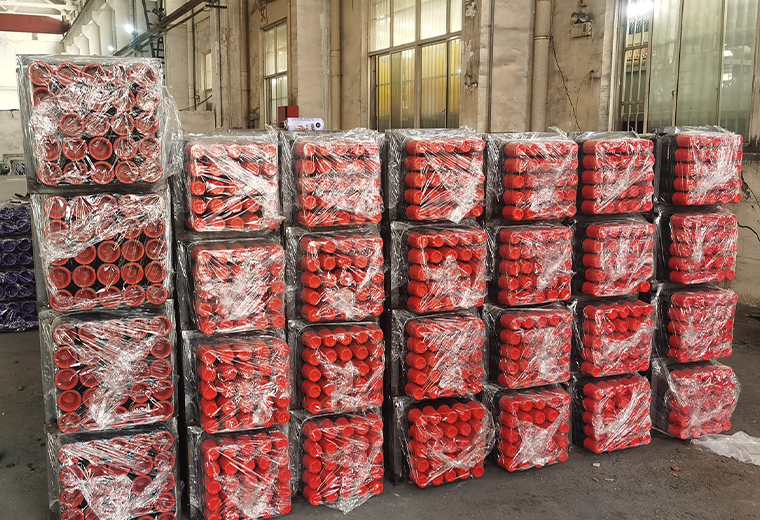
Hey there! So you’ve got a Vermeer D7x11 sitting on your site — solid machine, by the way — and now you’re scratching your head over drill pipes. Been there. Actually, let me tell you a quick story.
Last year, I got a call from a guy who’d just bought a used D7x11. He was excited, but after a few days on a tough job, his drill string started acting weird — slow penetration, weird vibrations. Turns out, he was using pipes that were too light for the ground conditions.
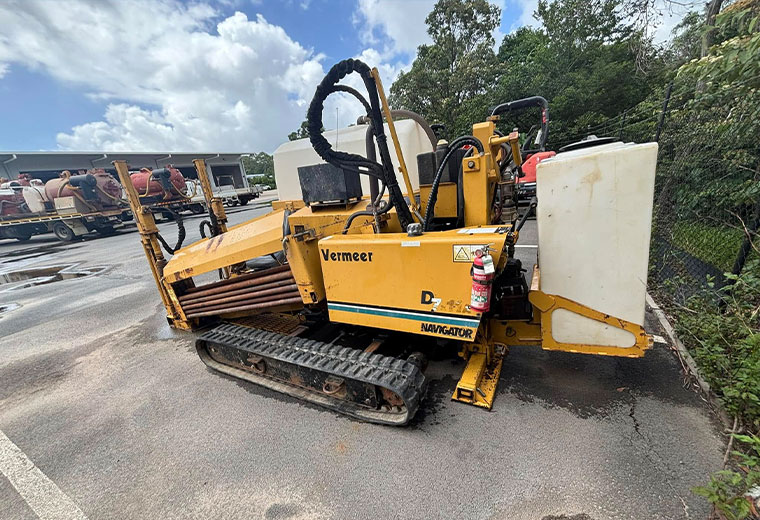
He thought all drill pipes were kinda the same. That moment was a real wake-up call for me too. It’s not just about “fitting” the machine; it’s about matching the whole story: the soil, the job length, and what you’re trying to drill through.
So, here’s my take — not from a manual, but from hanging around rigs and messing up (occasionally) so you don’t have to.
Think of your D7x11 like a marathon runner.
You wouldn’t give it cheap sneakers, right? The drill pipe is that shoe — the only thing connecting your rig to the tool down there. For the D7x11, you’re usually looking at 2 7/8” or 3 ½” OD pipes. But the diameter is just the start.
The real talk is about strength and fatigue life.
I used to think “stronger is always better,” until I saw a crew using super-heavyweight pipes in soft clay. Felt like using a sledgehammer to push in a thumbtack. Overkill costs more up front and eats fuel. The D7x11 has solid torque and pullback, so you want a pipe that can take that force, but also flex a little when it needs to. Ask about the grade of steel — something like S135 or even higher grade can handle tougher formations, but if you’re mostly in loose soil, a good G105 might save you cash without giving up reliability.
Then there’s the joint — the threads.
Oh man, this one’s personal. I once rushed a delivery and didn’t double-check the thread type. The crew called me two hours later — pipes were loosening during pulls. Total facepalm moment. Your Vermeer likely uses a standard thread type, but always match it exactly. A good thread is clean, well-lubed, and tightens up smooth. If it feels gritty or cross-threads even slightly, stop. Don’t force it. That little second of patience saves you from a ruined day.
And let’s not forget length. Longer pipes (like 15-footers) mean fewer connections on a long bore. Faster setup, less thread wear over time. But if your site is tight, shorter ones might be easier to handle. It’s a trade-off. I’ve seen crews on big, open gas line jobs swear by the long ones, while urban utility guys love the flexibility of shorter sticks.
Here’s my “aha” moment from all this:
You don’t buy drill pipes for the rig — you buy them for the ground you’re fighting. Rocky, mixed, sandy? Your pipe choice changes. Ask yourself: What’s the worst ground I’ll see in the next year? Pick a pipe that handles that, and the easier jobs will feel like a breeze.
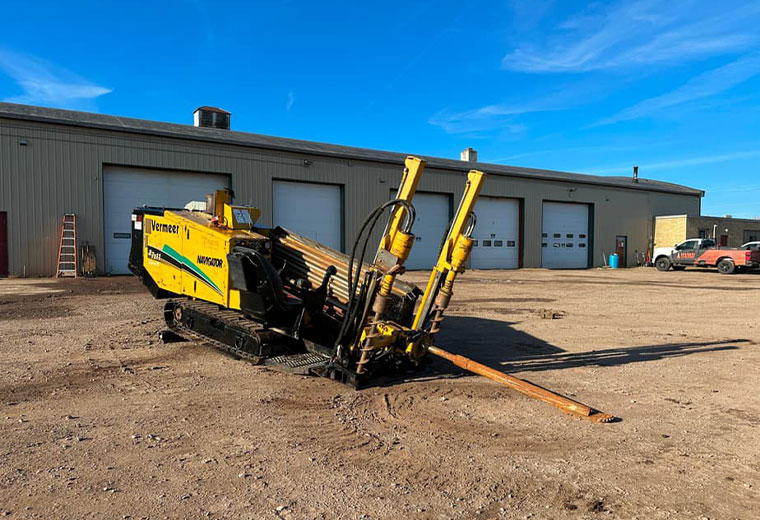
One last thing: I’m a stickler for visual checks. Before you send them down, look for dents, cracks near the welds, or worn threads. Even a small defect can turn into a big problem 50 feet underground. And yeah, I learned that the hard way too.
Anyway, that’s my two cents. Your D7x11 is a workhorse — feed it well, and it’ll run for you. Got a drill pipe story or a tricky soil situation? Shoot me a message. I love swapping field tales over a coffee.
Keep boring smart
By Frank
HDD Engineering Sales
RICHDRILL EQUIPMENT CO.,LTD
Share :
Recently Released
- Richdrill HDD What Products Do They Make? A No-Nonsense Guide from a Guy Who Sells Them
- How Many HDD Drill Rods in a 20ft or 40ft Container? An Honest Answer from a Factory Guy
- How to Detect Fake HDD Drill Rods Before They Fail Downhole
- How Stabilizers and Reamers Add Stress to Your HDD Drill Rods (And What You Can Do)
- When to Scrap Your HDD Drill Rods: OD Wear, Wall Thinning and Ovality Limits