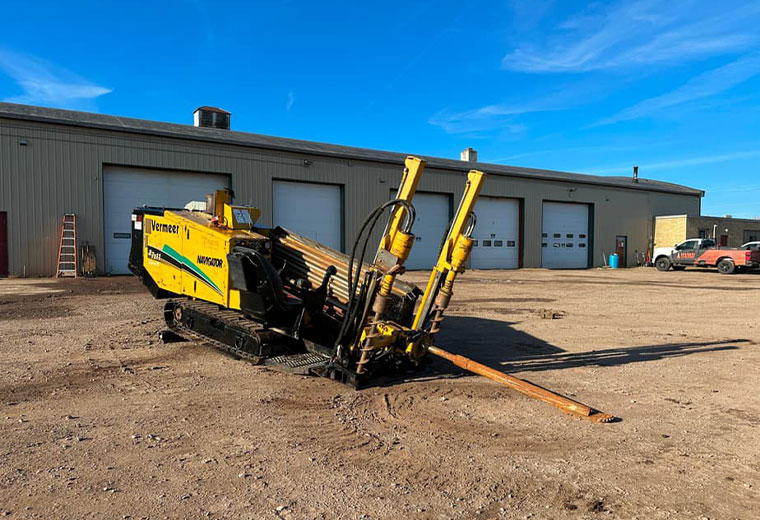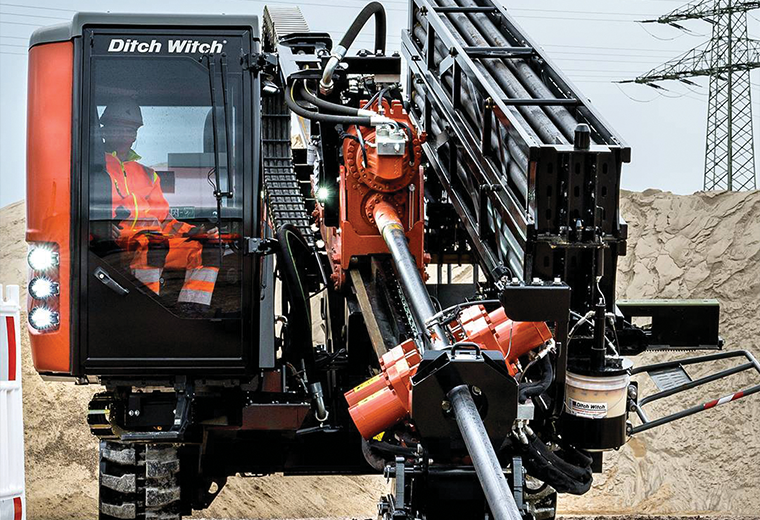
Hey there!
So, picture this: it’s my second year in the HDD drilling business, and I’m standing on a jobsite watching a crew set up for an HDD pull. The sun’s beating down, radios are buzzing, and I’m thinking, “How on earth does this rig manage to steer underground without tearing up the whole street?”
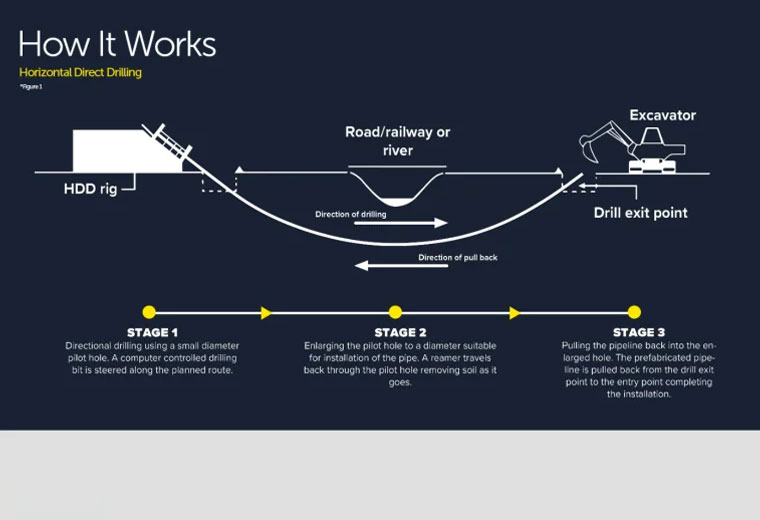
Then it hit me — HDD isn’t just about pushing a drill forward. It’s like giving the earth a gentle, well-planned handshake.
Let’s break it down, friend-to-friend.
Step 1 – The “Where Exactly?” Phase
Before anything spins, someone’s got to play detective. Soil reports, existing utilities, that weird pipe your grandfather might’ve buried back in ’80s… all of it matters.
I learned this the hard way when a project got delayed because of an unmarked cable. Lesson? Good planning feels boring, but it’s what separates a smooth run from a “call everyone and apologize” Monday.
Step 2 – Drilling the Pilot Hole
Here’s where the magic feels real. The drill head enters the ground at an angle, and the operator navigates it using a locator above ground. It’s like playing a video game, but with real dirt and real stakes.
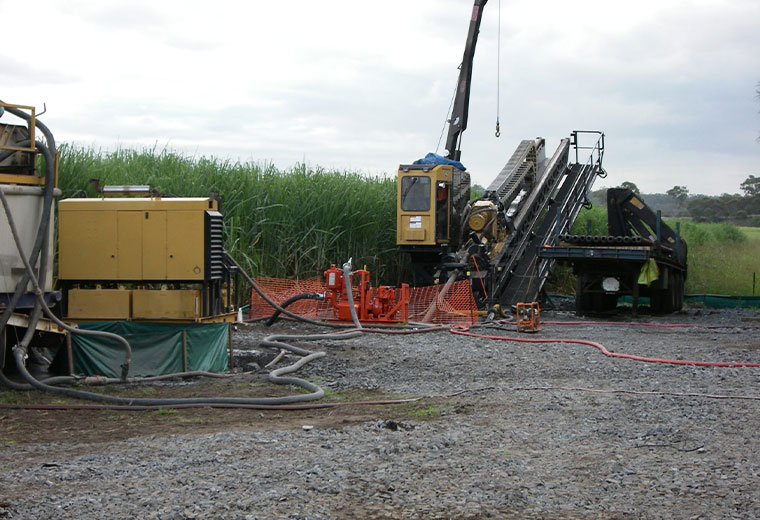
My “aha” moment came when I finally understood how the steering actually works — tiny adjustments, constant communication, and respecting the soil’s personality. Yes, soil has personality. Sandy soil acts different than clay, and if you force it, it’ll fight back.
Step 3 – The Swap & The Pull
Once the pilot hole reaches the exit point, the fun part begins. We attach a reamer to widen the path, then pull the product pipe back through. This is where the drill rods really prove themselves. I’ve seen rods that look tough but fatigue quickly — and others that just quietly do the job, pull after pull.
We make rods at our factory, and my team geeked out for weeks perfecting the heat‑treatment process. Not because it sounds cool, but because in that final pull, you want trust, not tension.
Why Am I Telling You This?
Because when I started, I thought HDD was all about brute force. But it’s not — it’s about finesse, preparation, and using tools that match the ground’s mood. Whether you’re a seasoned pro or just getting into trenchless, sometimes it helps to remember we’re all just guiding a drill head through the dark, hoping we planned well enough.
Next time you’re on site, take a second and watch that drill move. It’s kind of beautiful.
Keep boring smart
By Frank
HDD Engineering Sales
RICHDRILL EQUIPMENT CO.,LTD
Share :
Recently Released
- Richdrill HDD What Products Do They Make? A No-Nonsense Guide from a Guy Who Sells Them
- How Many HDD Drill Rods in a 20ft or 40ft Container? An Honest Answer from a Factory Guy
- How to Detect Fake HDD Drill Rods Before They Fail Downhole
- How Stabilizers and Reamers Add Stress to Your HDD Drill Rods (And What You Can Do)
- When to Scrap Your HDD Drill Rods: OD Wear, Wall Thinning and Ovality Limits