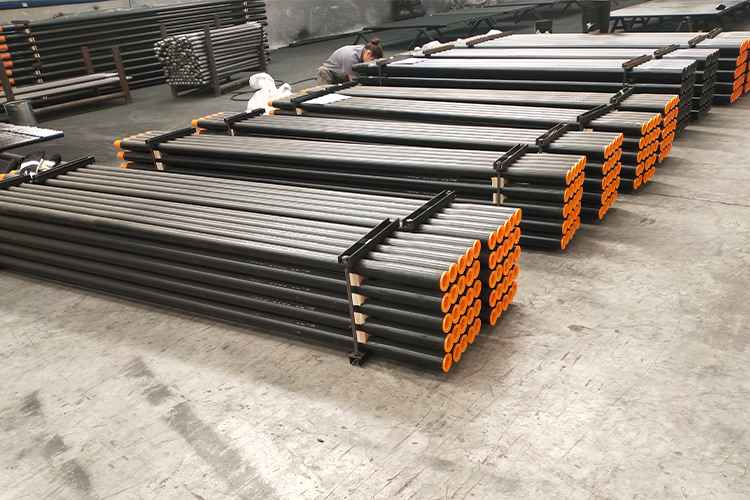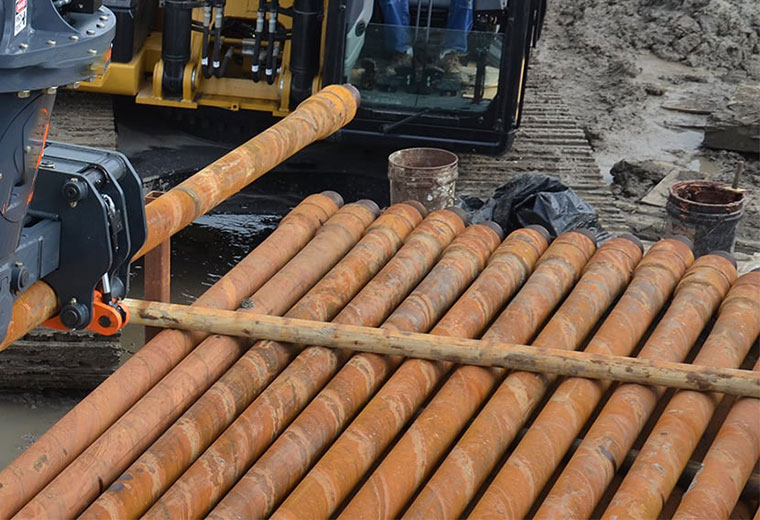
Hey there!
So you’re running a Ditch Witch rig, life’s busy, and suddenly the question pops up: “Can I actually use Chinese drill rods with this thing?”
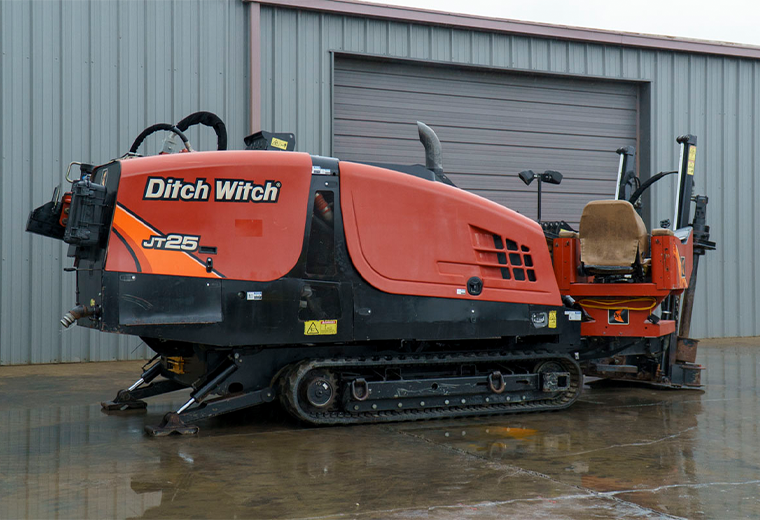
I hear you. It’s one of those topics that can sound way more complicated than it needs to be. Let’s grab a virtual coffee and chat about it—no jargon, no sales fluff. Just some straight talk from the field.
That Time I Gave the “Textbook Answer”… and Failed
A few years ago, a contractor friend—let’s call him Mike—asked me this exact question over the phone. I launched into my “technically correct” spiel: “Well, it depends on thread standards, material grade, heat treatment…”
He went quiet for a second, then said: “Man, I don’t need a specs sheet. I need to know if it’ll work tomorrow morning at 7 AM.”
That hit me hard. I was giving him theory, when what he wanted was peace of mind.
We ended up visiting his yard the next week. He showed me rods from three different suppliers, all “supposedly compatible.” One had threads that looked close but felt gritty when coupled. Another had noticeable wear after just a few runs. The third? It fit smoothly, but his operator complained about slow penetration in stiff clay.
That day taught me: compatibility isn’t just a yes-or-no checkbox. It’s a relationship between your rig, your ground, and your rods.
It’s Not About “Where It’s Made”—It’s About “How It’s Made”
I’ll say it straight: I’ve seen fantastic rods from China, and I’ve seen mediocre ones. The label doesn’t decide. What matters is what happens inside the factory—and how well you match them to your Ditch Witch.
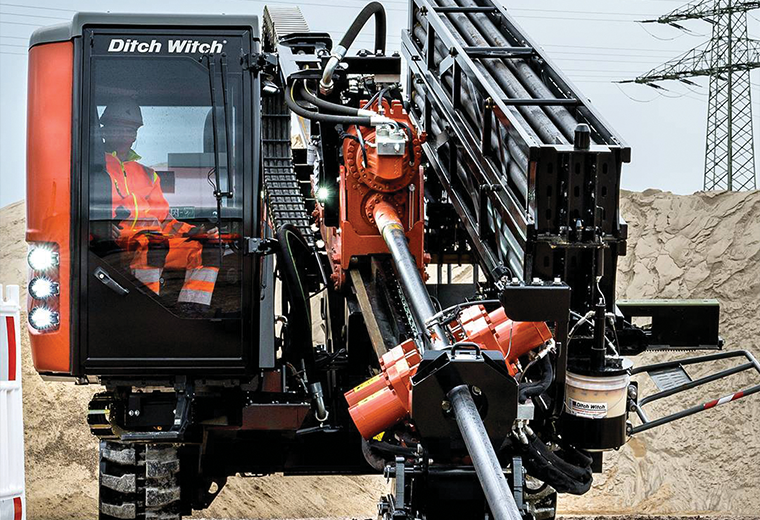
Here’s what the crews who make it work pay attention to:
- Thread Romance (Yes, Romance!)
Your rig and rod need to thread together like they’re made for each other. Even a tiny mismatch can cause vibration, premature wear, or worse—getting stuck. I always tell people: bring a sample rod, thread it by hand. If it doesn’t feel smooth and snug, don’t force it. Your rig will complain later. - The “Goldilocks” Hardness
Too hard, and the rod can become brittle in rocky soil. Too soft, and it wears down like butter. Good factories tune their heat treatment to match real conditions. One of our clients in coastal areas uses rods with slightly different tempering for wet, sandy soils versus clay. It’s a game-changer. - Who’s Behind the Machine
I’ve visited workshops where rods are tossed into crates after machining. I’ve also spent time in facilities where each batch is tracked, tested, and even “field-simulated” before shipping. The latter? That’s who you want to work with. They’ll ask you about your rig model, your typical soil, your drilling length—because they care about fit, not just a sale.
“It Just Runs”—A Customer’s Story That Stuck With Me
Last year, Sarah—who runs two Ditch Witch 1020X rigs—called me. She was skeptical. She’d tried cheaper imported rods before and had a nightmare with thread galling. We didn’t sell her on specs. Instead, we asked about her most common job: long, straight runs under city streets, mostly compacted silt.
We sent her five sample rods. Not a full order—just enough to test. Two weeks later, she texted: “No drama. It just runs.”
That’s the goal, right? No drama. When the rod disappears into the background and lets you focus on the job, you’ve found your match.
What If You Want to Try?
If you’re considering switching or testing new rods, here’s my no-BS advice:
- Start small. Don’t replace your whole inventory. Test a few in typical conditions.
- Keep notes. How’s the connection feel? Any unusual wear after 10 runs? How’s the penetration rate?
- Talk to your operator. They feel things no spec sheet will tell you—the subtle vibration, the engagement speed, the “sound” of a good drill.
And if you’re working with a supplier who doesn’t ask about your rig or your soil—walk away. They’re selling a commodity, not a solution.
So, Can You Use Chinese Rods with Your Ditch Witch?
Yes. But it’s like finding the right running shoes. You wouldn’t buy random sneakers for a marathon—you’d match them to your gait, distance, and terrain.
Your Ditch Witch is the same. Match the rod to the machine, to the ground, and to the job. When you get it right, everything just… flows.
Ever had a “Eureka!” moment with a tool or part that just clicked? I’d love to hear your story. And if you’re ever stuck in a rod-compatibility rabbit hole, shoot me a message. Let’s figure it out together.
Keep boring smart
By Frank
HDD Engineering Sales
RICHDRILL EQUIPMENT CO.,LTD
Share :
Recently Released
- Richdrill HDD What Products Do They Make? A No-Nonsense Guide from a Guy Who Sells Them
- How Many HDD Drill Rods in a 20ft or 40ft Container? An Honest Answer from a Factory Guy
- How to Detect Fake HDD Drill Rods Before They Fail Downhole
- How Stabilizers and Reamers Add Stress to Your HDD Drill Rods (And What You Can Do)
- When to Scrap Your HDD Drill Rods: OD Wear, Wall Thinning and Ovality Limits