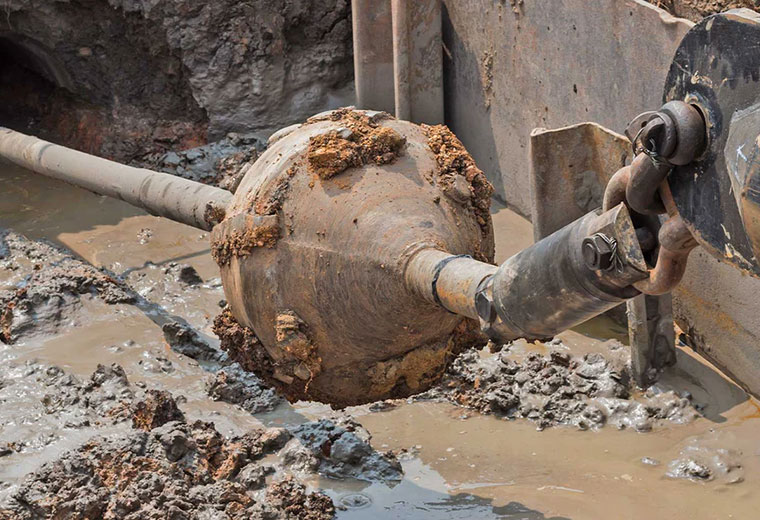
Hey there! So, picture this: it’s my third year in the HDD industry, and I’m standing on the bank of a pretty wide river somewhere in the Midwest. We’re about to pull back a drill string after crossing under the riverbed.
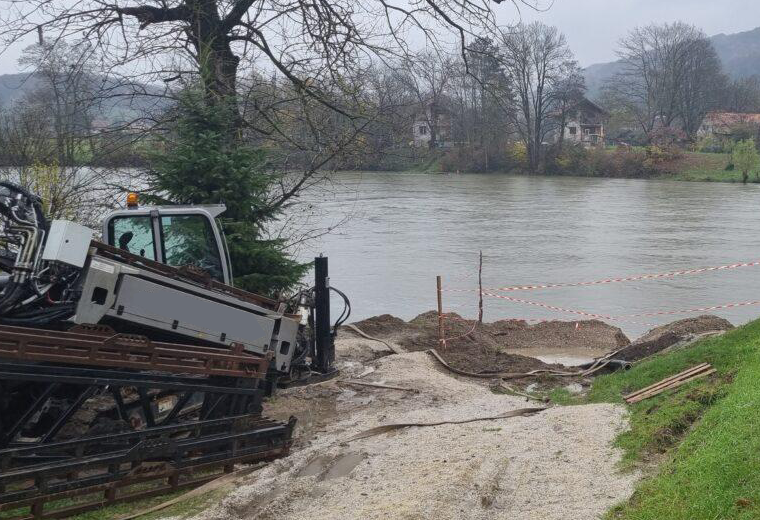
The team is tense—not because of the distance, but because of what we can’t see: the water pressure below, the unseen seepage risks, and the strict environmental rules hanging over the project.
That “Oh, This is Different” Moment
That day, I had what I like to call my “riverbed reality check.” You know, when you first get into HDD, you think a lot about torque, pullback force, soil conditions… all the usual stuff. But crossing under a river or lake? That’s a whole different ball game.
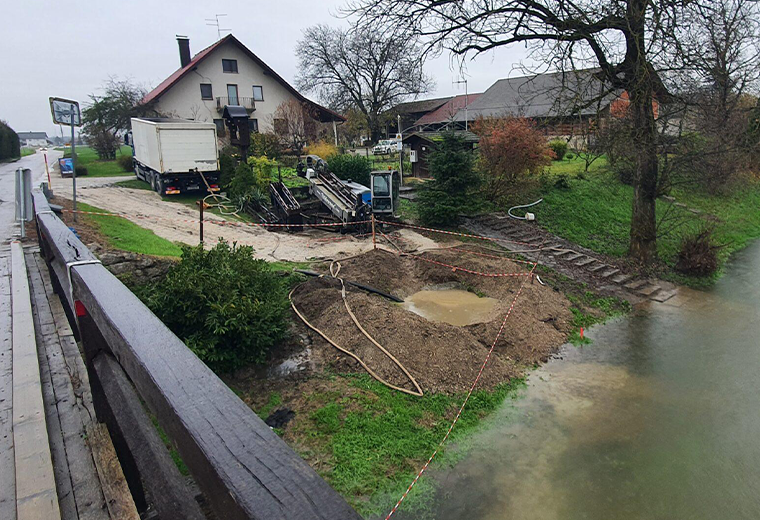
It’s not just about getting from point A to point B. It’s about respecting what’s above you—the water, the ecosystem, the silence that seems to say, “Don’t mess this up.”
Pressure is a Feeling, Not Just a Gauge
I remember once, early on, we had a small seepage issue during a pilot bore under a lake. Nothing major, no spill, but the client’s environmental monitor raised an eyebrow.
That tiny moment taught me more than any manual ever did: when you’re drilling underwater, you’re not just managing machinery—you’re managing trust.
So, what really changes? For starters, pressure isn’t just a number on a screen anymore.
You feel it in the planning meetings, in the way you pick your drill pipes. I’ve learned that using rods with really solid, reliable connections isn’t just “good practice”—it’s your first line of defense. One tiny compromise, and you’re risking a whole lot more than just downtime.
The Leak You Don’t See (But Everyone Fears)
And speaking of leaks—it’s not always about a big, dramatic failure. Sometimes it’s the slow, almost invisible seepage of drilling fluid. I’ve heard people say, “It’s just bentonite, it’s natural.”
But let’s be real: no one wants a cloudy river or a worried environmental inspector. That’s why we’ve gotten so focused on mud systems and containment. It’s not only about keeping the bore hole stable; it’s about keeping the water above it pristine.
My Toolbox “Aha!” Moment
Here’s a personal story that stuck with me. We were testing some new drill rods for a tricky, rocky lake crossing. The specs looked great on paper, but the real test came during a trial run with unexpected pressure spikes. Watching them handle it smoothly—no drama, no sudden panic—was my “aha” moment. The right tool doesn’t just do the job; it gives you peace of mind. And in this line of work, that peace of mind is everything.
Regulations: Your Unlikely Ally
I get it, environmental rules can feel like a hurdle. But over time, I’ve started to see them differently. They’re like a careful partner, pushing us to double-check our work, plan for the “what-ifs,” and talk things through more openly on site. Think of compliance not as a box to tick, but as a built-in guide for doing the job right.
The Signature You Leave Behind
At the end of the day, a successful underwater crossing comes down to mindset. It’s choosing to care about the invisible details: the seal that holds, the thread that doesn’t quit. It’s remembering that below that beautiful water, your work leaves a kind of permanent signature.
Keep boring smart
By Frank
HDD Engineering Sales
RICHDRILL EQUIPMENT CO.,LTD
Share :
Recently Released
- Richdrill HDD What Products Do They Make? A No-Nonsense Guide from a Guy Who Sells Them
- How Many HDD Drill Rods in a 20ft or 40ft Container? An Honest Answer from a Factory Guy
- How to Detect Fake HDD Drill Rods Before They Fail Downhole
- How Stabilizers and Reamers Add Stress to Your HDD Drill Rods (And What You Can Do)
- When to Scrap Your HDD Drill Rods: OD Wear, Wall Thinning and Ovality Limits