Hey folks,
Let’s have a real talk about something we all deal with, but maybe don’t give enough credit: drilling mud. When the job’s running smooth, it’s our best friend. But the moment the pumps stop? If we’re not careful, it turns into a backstabbing little villain.
I want to tell you a story that changed how I look at a “clean” drill rod.
That “Good Enough” Cleanup That Wasn’t
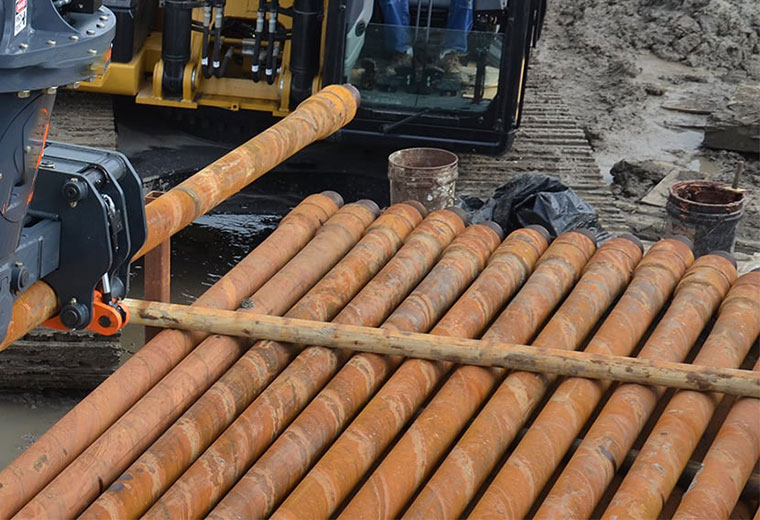
A few years back, I was visiting a longtime customer—a great crew who knew their stuff. They’d just wrapped a tricky shot. The rods were laid out, and they were giving them a once-over with a water hose. From a distance, they looked fine. Shiny, even.
But when I picked up a rod near the pin end and ran my thumb into the thread roots, I felt it. That gritty, almost slippery texture. It wasn’t obvious dirt; it was a thin, hardened film of mud residue. I mentioned it, and the operator smiled. “Ah, it’s just a little mud shadow. It’s been a long day—it’ll come off next time.”
We both moved on. But that moment stuck with me.
The Slow-Motion Disaster
Fast forward about eight months. That same crew was troubleshooting some frustrating pressure drops and a couple of connection failures. They sent a few rods back to us for inspection, convinced there was a material defect.
The report came back, and there was no manufacturing issue. The problem was entirely in the threads. Under magnification, we saw it: accelerated wear in the load flanks, and the start of pitting corrosion precisely where that dried mud film would have been. That “mud shadow” had acted like a wet blanket, trapping corrosive agents and abrasives against the steel for months, slowly eating away at the seal and the thread form.
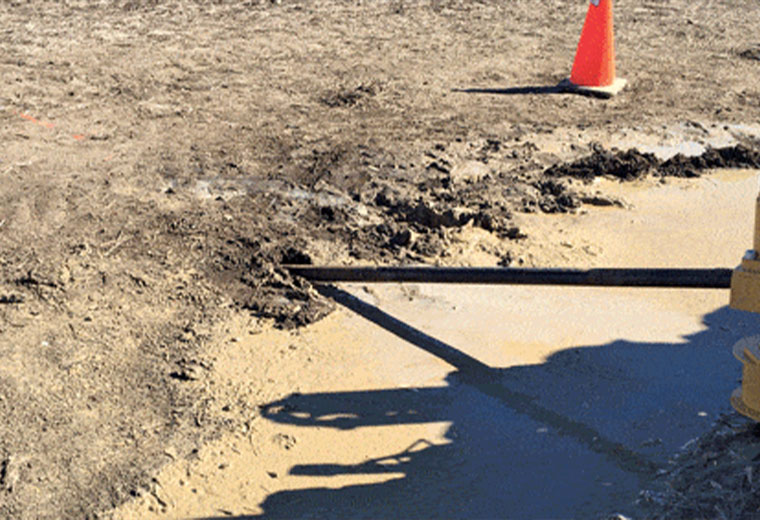
That was my real, gut-level “oh crap” moment. Mud isn’t inert. Once it dries, it becomes a hostile environment glued to your most critical connection points. The corrosion it promotes is sneaky. It doesn’t announce itself; it just makes your threads a tiny bit weaker, a tiny bit rougher, every single time you use them.
It’s More Than Just Rust
We often think of corrosion as red rust we can see. But the damage from mud residue is a triple threat:
- The Corrosion Trap: Mud holds water and chemicals. Dried mud locks them in, creating a perfect, slow-release rust studio right on your threads.
- The Hidden Sandpaper: All those fine, solid particles in the mud? Once the fluid evaporates, they cement themselves into place. Next time you make a connection, you’re essentially grinding those particles into the thread surface.
- The Seal Saboteur: Even if it doesn’t cause catastrophic failure immediately, that microscopic grit and pitting wreck the perfect metal-to-metal seal your connections rely on. That’s where pressure leaks and efficiency losses come from.
What My Obsessive Cleanup Ritual Looks Like Now
After seeing that, I got… let’s call it “passionate” about post-job cleanup. For my own kit and when I demo tools, here’s my non-negotiable routine:
- Don’t Let It Bake: If possible, give rods a preliminary rinse before the mud has a full day to sun-bake into concrete. It makes life easier.
- Get the Tools For the Job: A good, sturdy thread brush is worth its weight in gold. A soft wire brush helps on the tube body. This isn’t about fancy gadgets; it’s about having the right basic tool to do the job properly.
- Soak the Stubborn Stuff: For dried-on mud rings, a quick soak in water (or a mild, recommended cleaning solution) softens it up dramatically. It’s 10 minutes of patience that saves hours of brutal scrubbing later.
- The “White Glove” Test: My final check is running a clean, dry cloth or even my finger deep into the thread root. It should come out clean and smooth. No grit, no residue. That’s when I know it’s done.
- A Dry Home: Storing them clean is pointless if you store them wet. A quick air blast or dry rag wipe-down prevents new surface rust from forming.
The Bottom Line Talk
Look, I get it. At the end of a long, muddy day, the last thing anyone wants to do is meticulously clean every rod. It feels like a chore. But I’ve come to see it differently.
That extra 15-20 minutes per rod isn’t just “maintenance.” It’s directly buying yourself more successful runs, fewer down-the-road failures, and ultimately, more life out of your equipment. You’re protecting a major investment. It’s the cheapest, most effective insurance policy you can give your drill string.
Thanks for letting me share my soapbox moment about mud. Stay safe, and keep those threads clean.
Keep boring smart
By Frank
HDD Engineering Sales
RICHDRILL EQUIPMENT CO.,LTD
Share :
Recently Released
- Richdrill HDD What Products Do They Make? A No-Nonsense Guide from a Guy Who Sells Them
- How Many HDD Drill Rods in a 20ft or 40ft Container? An Honest Answer from a Factory Guy
- How to Detect Fake HDD Drill Rods Before They Fail Downhole
- How Stabilizers and Reamers Add Stress to Your HDD Drill Rods (And What You Can Do)
- When to Scrap Your HDD Drill Rods: OD Wear, Wall Thinning and Ovality Limits