The “Scale” That Keeps Me Up at Night
Hey friends,
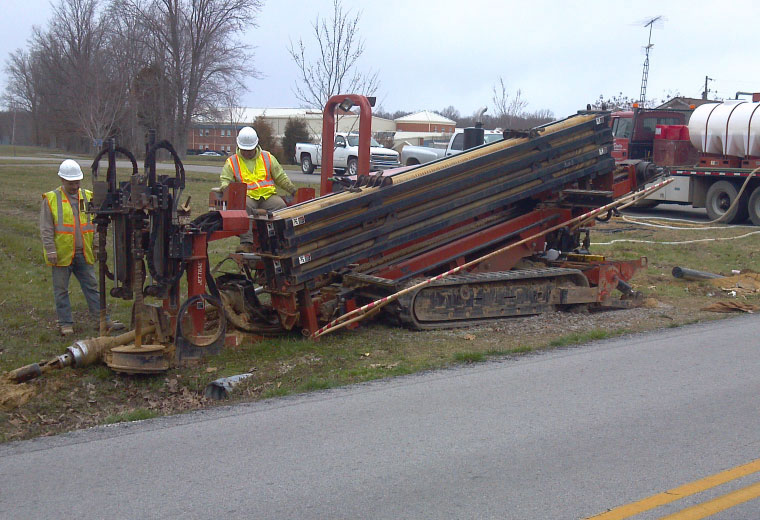
Let’s grab a virtual coffee. I want to talk about something that’s been on my mind since I got back from a site visit last season. We all see the headlines: “Record-breaking HDD installation completes 2km river crossing,” or “Major infrastructure project uses trenchless tech under downtown.”
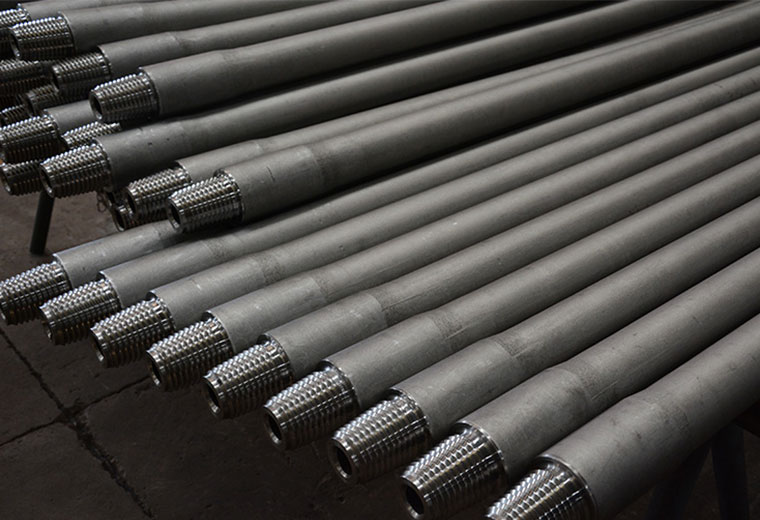
It’s exciting! But after five years in this game, talking to crews on the ground, I’ve realized these mega-projects aren’t just bigger versions of the jobs we used to do. They’re changing the rulebook entirely, and it starts with the stuff in your hands every day—the rods, the tools, the string.
I used to think my job was about specs. You’d tell me you need X torque and Y depth, and I’d match a product to it. Simple. But listening to a project manager describe a 1.8km bore for a fiber optic line, it clicked. The challenge wasn’t just the distance; it was the marathon.
Imagine your entire drill string being in constant, fatiguing motion for 60 straight hours. Every connection, every weld, every thread is doing a million reps. One tiny flaw you might get away with on a 300-meter shot becomes the single point of failure. It’s not about being the strongest anymore; it’s about being consistently, boringly reliable for an unbelievably long time.
The Ground Has Mood Swings (And We Need to Adapt)
Remember that friend who’s super easy-going one day and unpredictable the next? Geology on these big crossings is just like that. A buddy working on a pipeline project in Southeast Asia told me their pilot bore went through four completely different formations.
“It felt like drilling through butter, then concrete, then a pile of marbles, all in one afternoon,” he laughed. But his smile faded when he described the toll it took on their tools.
The real “aha” moment for me? It’s not just about having a “tough” reamer or a “hard” rod. It’s about system compatibility and adaptability. Can your downhole assembly handle the shock load when you suddenly hit a boulder after 800 meters of soft clay? Does your connection technology allow for smooth transitions without creating a weak spot? We’ve all seen a mismatch in the string cause hours of downtime.
On a big job, that downtime isn’t just expensive; it can throw off the entire project timeline across multiple teams. It taught me to ask different questions now: “What’s the wildcard zone on your profile?” instead of just “What’s your max depth?”
The “Invisible” Job: Working Where Everyone is Watching
Here’s a story. Early in my career, I visited a site near a protected wildlife area. The tension was palpable. It wasn’t about hitting the target; it was about leaving no trace. Their biggest concern wasn’t their rig’s power—it was their fluid management system and the integrity of every component downhole to prevent any inadvertent returns. A single seal failure on a tool could mean an environmental incident.
This is the new normal for so many international and urban projects. The pressure isn’t just technical; it’s reputational and environmental. The technology demand has shifted towards precision, cleanliness, and control.
It’s about guided boring systems that work like a surgeon’s scalpel, and drill rods that maintain perfect integrity so nothing leaks where it shouldn’t. It moved the conversation from “How fast can we push?” to “How cleanly and quietly can we get this done?” That’s a huge shift.
Logistics & The Human Factor: The Silent Game-Changers
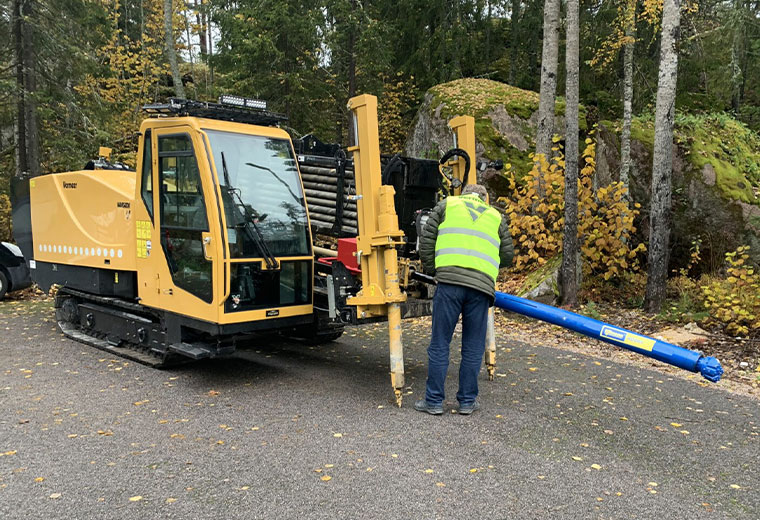
This might sound less technical, but it’s pure reality. When your HDD equipment gets shipped across oceans and your crew includes local operators new to this specific setup, simplicity and resilience become king. I’ve heard nightmares about containers of tools arriving with complex maintenance needs and no specialist on site.
It made me realize that design for serviceability in the field is a massive, unsung need. Can a field mechanic with basic tools fix or replace a part? Are your rods clearly and permanently marked to avoid confusion in a long string? Is the tool design intuitive? On a mega-project, you can’t afford to wait for a factory expert to fly in. The tools have to be partners to the crew, not temperamental prima donnas. This human-factor thinking has completely changed how I evaluate the products we supply.
My Takeaway? It’s a Symphony, Not a Solo.
Wrapping this up, my big takeaway from all these conversations is that success on these grand-scale projects is about orchestration. The rig is the conductor, but the drill string and HDD tools are the entire orchestra. Every section has to perform flawlessly, adapt to changes in the music (the geology), and play in perfect sync for the entire duration.
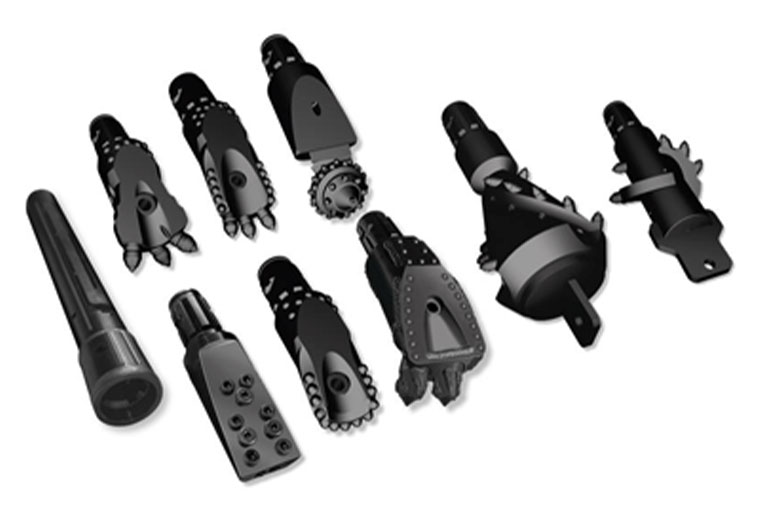
It’s less about selling a single “hero” product and more about understanding how the entire system dances together under extreme conditions. That’s the real shift.
So, what about you? Have you had a project that taught you a surprising lesson about the “small stuff” in the string? Hit reply and share your story—I love geeking out over this stuff.
All the best for your next bore, big or small.
Keep boring smart
By Frank
HDD Engineering Sales
RICHDRILL EQUIPMENT CO.,LTD
Share :
Recently Released
- Richdrill HDD What Products Do They Make? A No-Nonsense Guide from a Guy Who Sells Them
- How Many HDD Drill Rods in a 20ft or 40ft Container? An Honest Answer from a Factory Guy
- How to Detect Fake HDD Drill Rods Before They Fail Downhole
- How Stabilizers and Reamers Add Stress to Your HDD Drill Rods (And What You Can Do)
- When to Scrap Your HDD Drill Rods: OD Wear, Wall Thinning and Ovality Limits