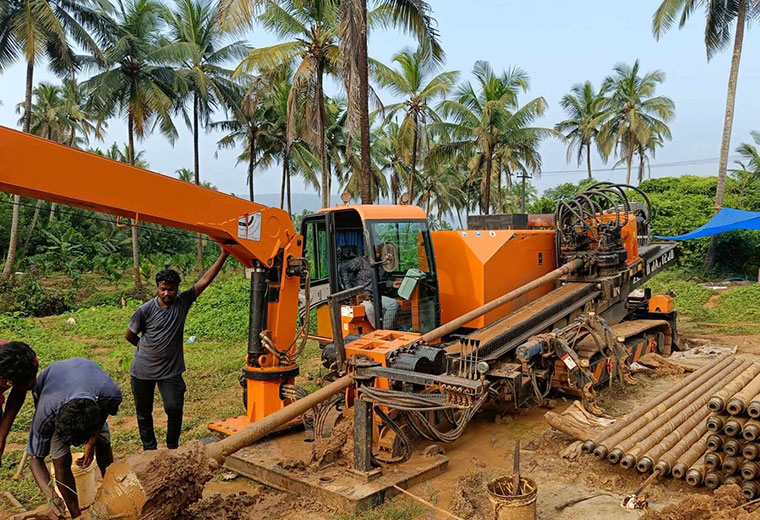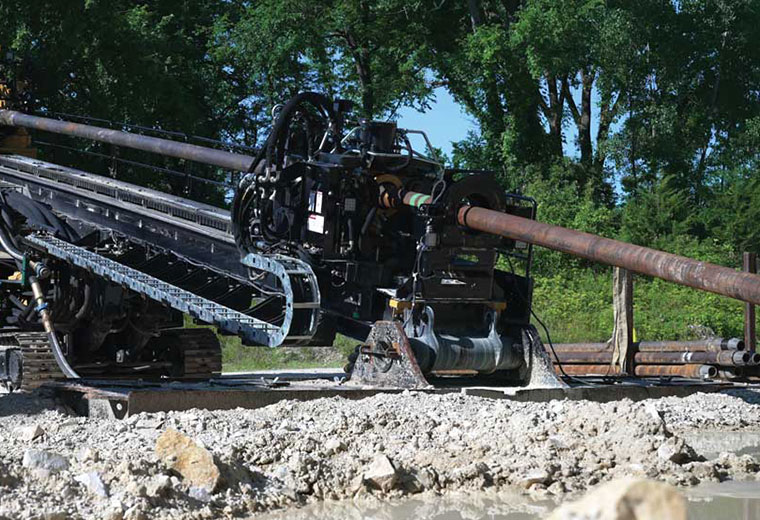
Alright, grab a coffee. Let’s talk drill rods.
You know that moment when you’re halfway through a bore, everything’s running smooth, and then… that subtle vibration changes. Maybe it’s a weird click in the rotation, maybe the pullback feels just a bit off. Your gut sinks. Been there. For me, it happened on a utility installation job a few years back.
We were pushing through what the geo report called “mixed fill,” and a rod decided to give up the ghost near the shoulder. The downtime, the frantic calls, the client’s eyebrow raise—it was a masterclass in frustration.
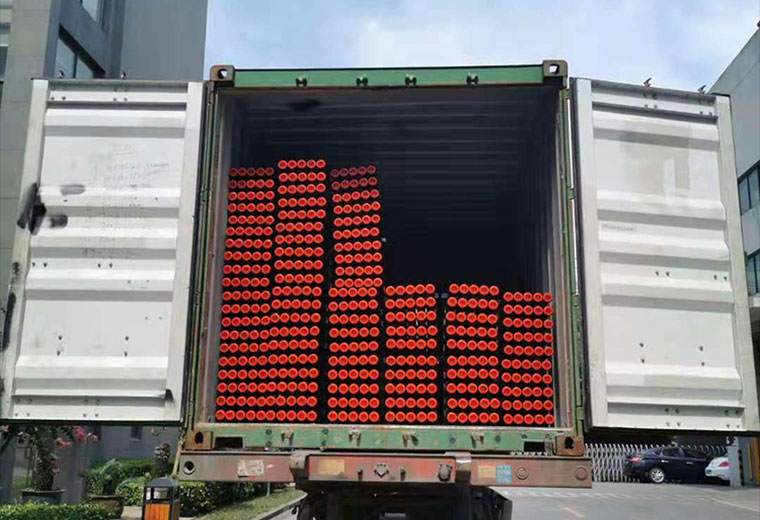
That day, I stopped being just an order-placer and started being a detective. The real lesson? The problem usually starts long before the rig hits the ground. It starts with the questions you don’t ask when you’re buying.
So, after many coffees and even more site visits, here’s my no-BS list of what to ask your supplier. Think of it as a friendly chat over the hood of your service truck.
“Let’s talk about your steel’s biography, not just its resume.”
Every website says “high-grade steel.” That’s like saying “a good truck.” Is it a reliable old workhorse or a shiny rig that can’t handle mud? I got burned once by a “premium” rod that kept showing premature wear. Only after pestering the factory rep did I learn they were sourcing from a new mill with inconsistent tempering cycles.
The strength on paper was fine, but the real-world fatigue life was all over the place. Now I ask: “Where’s your billet from? Can I see the mill certs? Walk me through your heat treatment from start to finish—not just the ‘what,’ but the ‘how’ and ‘how you check it.’” A good manufacturer lights up at this question.
They’ll tell you about their induction hardening process or how they control the cooling rate. If they get vague, your spidey senses should tingle.
“Show me your threads. And tell me a story about them.”
Threads are the handshake of the drill string. A weak handshake ruins everything. I used to think all ACME threads were basically the same. Then I spent a day with a grizzled tooling designer who showed me, with a worn-out rod and a magnifying glass, how a tiny change in root radius dramatically reduced stress cracks.
It was a revelation! So now I ask: “What’s the philosophy behind your thread profile? How do you balance engagement strength with mud flow? And how do you protect them during shipping and handling?” Listen for the passion. If they start drawing on a notepad to explain load distribution, you’re probably in good hands.
“How does this rod ‘feel’ in a tough bend?”
Spec sheets give you yield strength and tensile strength. They don’t tell you how a rod behaves in a curved bore. Is it a stubborn oak branch or a flexible willow? There’s a sweet spot. We were doing a river crossing with a tight radius, and the rods from Supplier A just felt… dead.
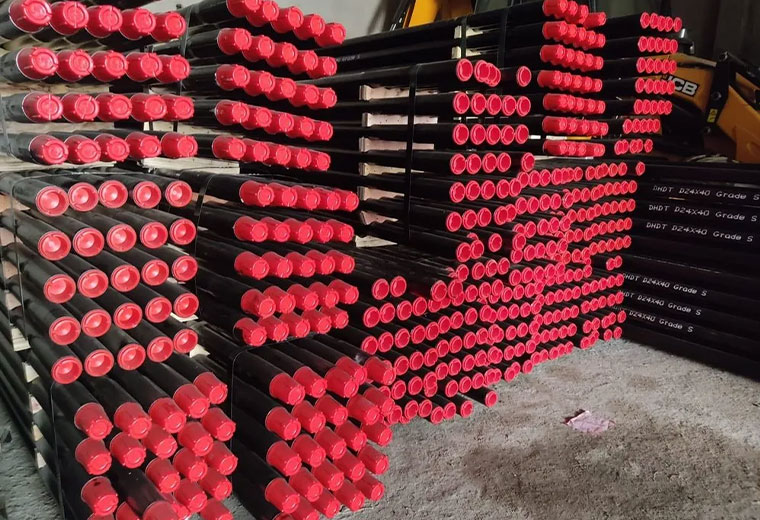
They transmitted torque but also transmitted every shock. Supplier B’s rods, with a slightly different chemistry and finishing process, had a livelier flex. They soaked up the bumps. The difference? Less wear on the drill head and way less operator fatigue. Ask: “Can you share data or testimonials from a similar challenging bore? How do you engineer for flexibility without sacrificing torsional strength?”
“What’s the real cost of a ‘small tweak’?”
Customization is a double-edged sword. We needed some rods with a slightly different upset profile for an older machine. “No problem!” said the sales guy. What he didn’t say was that it would reset the entire production queue, pushing delivery out by a month and adding 22% to the cost. My fault for not asking the follow-up.
Now my question is: “Let’s say I need a non-standard length or a special coating. What does that do to your production flow? What’s the minimum order? And crucially, how does it affect the lead time and the warranty?” Get it in writing. A transparent factory will have a clear policy, not just a “we’ll make it work” promise.
“Tell me about your biggest screw-up.”
This is my favorite question. It separates the marketers from the engineers. A confident, honest supplier isn’t afraid of their past. One manufacturer once told me about an early batch of tool joints where the hardening was a shade too deep, making them brittle in extreme cold.
They didn’t just fix it; they redesigned their QA process and now include the story in their training. That level of honesty is worth its weight in tungsten carbide. It tells you they’re committed to getting better, not just making a sale.
If they dodge the question or say “never had an issue,” thank them and move on. Everyone has had an issue. The good ones learned from it.
The Bottom Line (But I Promised Not to Say That…)
Look, buying drill pipe isn’t like buying office supplies. It’s a partnership. You’re trusting this metal tube to be the lifeline between your million-dollar rig and your reputation.
The goal isn’t to grill the supplier, but to start a conversation. When you ask these questions, you’re not just buying a product; you’re evaluating a partner.
You’re looking for that person on the other end of the line who says, “Ah, I see what you’re getting at. Here’s how we handle that…”
And remember that rod that failed on me? I later found out the manufacturer had switched coating processes without telling anyone. A single, honest conversation upfront could have avoided it all.
What about you? Ever had a “field lesson” that changed what you ask suppliers? Hit reply and tell me about it. I collect these stories—they’re better than any brochure.
Keep boring smart
By Frank
HDD Engineering Sales
RICHDRILL EQUIPMENT CO.,LTD
Share :
Recently Released
- Richdrill HDD What Products Do They Make? A No-Nonsense Guide from a Guy Who Sells Them
- How Many HDD Drill Rods in a 20ft or 40ft Container? An Honest Answer from a Factory Guy
- How to Detect Fake HDD Drill Rods Before They Fail Downhole
- How Stabilizers and Reamers Add Stress to Your HDD Drill Rods (And What You Can Do)
- When to Scrap Your HDD Drill Rods: OD Wear, Wall Thinning and Ovality Limits