That One Tuesday in the Mud
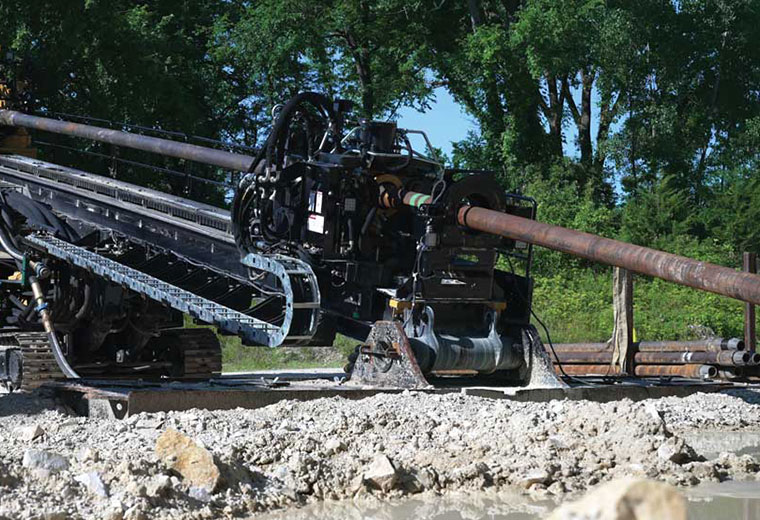
Let’s be real—some days in HDD just feel cursed. The one I’m thinking of started with coffee that tasted like rusty water and went downhill from there. I was on-site with a crew trying to pull back under a county road.
The soil report said “mixed sand and clay.” What we got felt like concrete one minute and wet soap the next. The foreman’s face said it all: tight lips, that familiar squint. The pull load kept spiking, the drill string was singing a stressed-out tune, and everyone’s patience was thinning faster than the daylight. We took a break, standing there in the drizzle.
It was in that grumpy silence that I had a flashback to my own rookie years, and it hit me: we often prepare for the ground described on paper, not the ground that’s actually there. That day wasn’t about a product failure; it was a communication breakdown with the earth itself.
The “Duh” Moment That Changed Everything
Early in my career, I worshipped horsepower. Bigger rig, bigger rods, more power—surely that was the answer to everything? I’ll never forget the job that humbled me. We were in this infamous blue clay, and every few feet felt like a war.
We were pushing, shoving, forcing it. Enter Gus, a driller who’s forgotten more about HDD than I’ll ever know. He watched us struggle for a while, then spat his tobacco and said, “You’re yelling at it. Try whispering.” He didn’t change the rig. He didn’t change the rods. He had us switch to a different jetting nozzle on the reamer, adjusted the slurry mix just a bit, and slowed the rotation down.
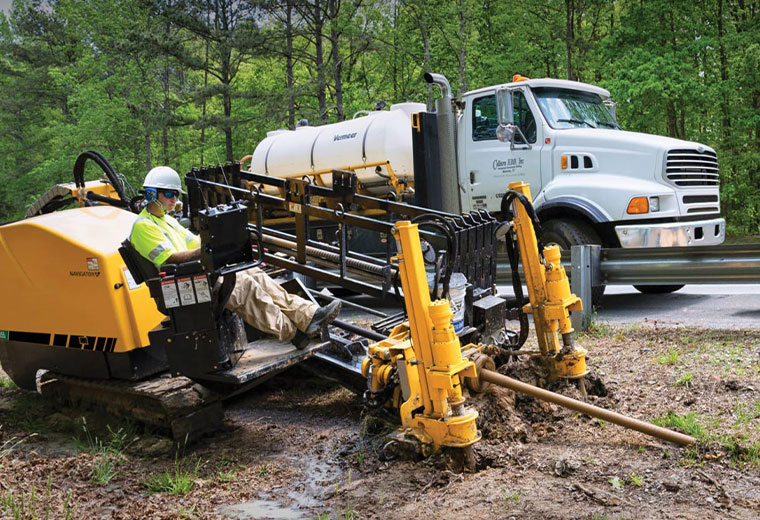
Almost like magic, the string started moving forward smoothly. The ground wasn’t resisting anymore; it was cooperating. My big, loud, powerful approach was actually making things worse. The real tool wasn’t just the steel—it was the technique. That was my “duh” moment. It’s not a bulldozer contest; it’s a delicate dance.
Your Drill String is Your Voice, Not Your Fist
Think about it. You’re sending a message hundreds of feet underground. Every connection, every weld, every wear pattern on the tooling is part of that sentence. If your “voice” is rough, worn, or mismatched, the conversation turns into an argument. I’ve seen beautiful, expensive rigs brought to a standstill by a single fatigued joint or the wrong choice of cutting structure for the geology.
I remember visiting a customer who kept having premature wear on his rods. He was convinced it was a material issue. We sat in his trailer, looked at his logs, and noticed a pattern: the worst wear always happened on shorter, curved pilot bores where he was using the same long, stiff setup he used for big river crossings. It was like using a sledgehammer to do watch repair. We swapped in a more flexible string design for those tricky smaller bores, and his wear rate dropped dramatically. He wasn’t fighting the rods anymore; he was listening to what they (and the ground) were trying to tell him.
The Quiet Joy of the “Boring” Job
We love talking about the massive, record-setting crosses. But you know what truly makes me smile? The “boring” job. The one that starts on Monday and finishes on Friday, exactly on schedule and under budget. No fireworks, no heroics, no desperate midnight calls for specialty tooling. Just steady, predictable, efficient progress.
That’s where the real magic of understanding your tools and the ground happens. It’s the crew that knows their drill stem inside and out—when to retire a rod, how to clean threads properly, which reamer profile feels right for that specific sticky loam. It’s about respect. Respect for the equipment, respect for the site conditions, and respect for the process. Those smooth jobs don’t make the headlines, but they pay the bills and keep stress levels human. They’re the proof that you’re not just operating a machine; you’re conducting a symphony underground.
So, What’s Your Story?
I’ve shared a few of my messy learning moments. That’s the stuff they don’t put in the glossy brochures. This industry is built on dirt-under-the-fingernails experience and the tips passed around in cabs and at site trailers.
I’m not here to sell you a miracle. I’m here because I genuinely geek out over this stuff—over what makes a bore go from a fight to a flow. Maybe you’ve had a moment where a simple torque-turn chart finally made sense, or when you realized that perfect slurry consistency looks like a certain kind of milkshake. Those are the gold.
Hit reply. Tell me about a time the ground talked to you, and you actually listened. Or a time it yelled, and you learned something the hard way. Let’s swap stories.
Keep boring smart
By Frank
HDD Engineering Sales
RICHDRILL EQUIPMENT CO.,LTD
Share :
Recently Released
- Richdrill HDD What Products Do They Make? A No-Nonsense Guide from a Guy Who Sells Them
- How Many HDD Drill Rods in a 20ft or 40ft Container? An Honest Answer from a Factory Guy
- How to Detect Fake HDD Drill Rods Before They Fail Downhole
- How Stabilizers and Reamers Add Stress to Your HDD Drill Rods (And What You Can Do)
- When to Scrap Your HDD Drill Rods: OD Wear, Wall Thinning and Ovality Limits