Hey folks!
So, my contractor friend Mike hit me with this question last week while we were staring at his rig parked on a quiet suburban street: “Tell me honestly — do most HDD crews work days or nights? Feels like I’m always scrambling in the dark lately.”
I took a sip of my coffee and grinned. “Let me tell you about Dan.”
That One Night with Dan & The Unhappy Neighborhood
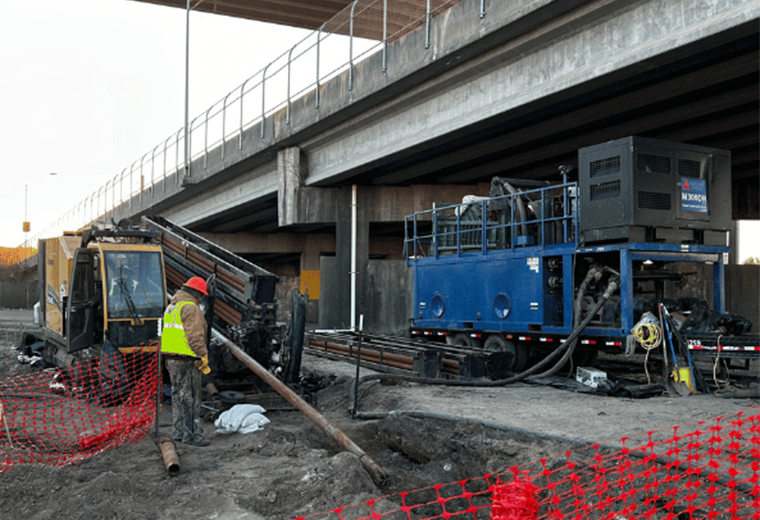
A few years back, I was on-site with Dan, a project manager who looked like he hadn’t slept in 48 hours. It was 11 PM, and his rig was just firing up. “City rules,” he muttered. “We can’t block this road between 6 AM and 9 PM. Residents already complained about daytime noise last month. So here we are — working when most people are binge-watching shows.”
That night stuck with me. It wasn’t just about “getting the job done.” It was about when you’re allowed to do it, and when you’re least likely to drive everyone crazy.
City Life: We Become Night Owls (Like It or Not)
In built-up areas, night shifts are pretty much the norm. Think about it:
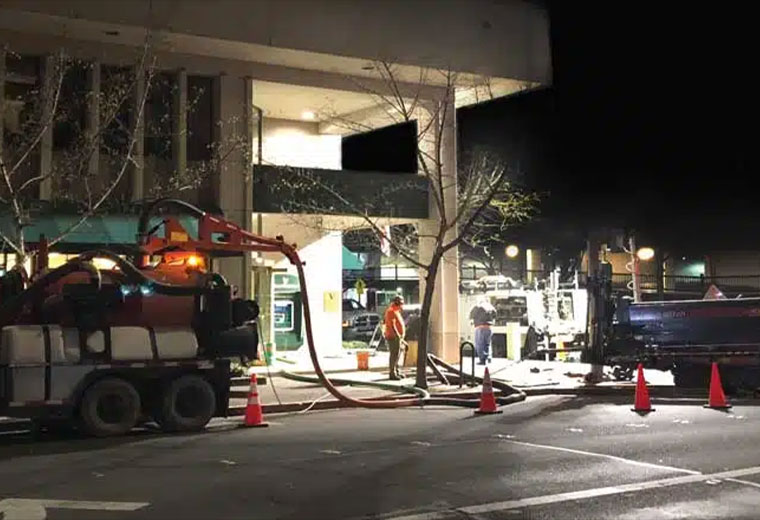
- Traffic’s light, so you can close lanes without causing a 5-mile backup.
- Fewer people around means fewer safety risks and less complaints.
- Many permits explicitly limit work to off-peak hours.
I’ve rolled up to urban sites at dusk and left at dawn. There’s something surreal about watching a drill head emerge under floodlights, with the rest of the world asleep. But let’s be real — it’s tough on crews. Coffee is the unofficial fuel of HDD after dark.
Out in the Open: Daylight is Your Best Friend
Now, drive out to a rural gas line project or an industrial park, and it’s a different story. Daylight reigns.
Better visibility means fewer surprises. Logistics are simpler — no struggling with extra light towers or sleep-deprived minds. The land doesn’t care if you make noise at noon. Weather can still throw curveballs, but at least you can see them coming.
Once, I visited a ranch-side bore in Texas. The crew started at sunup, wrapped by dinner, and joked about “keeping cowboy hours.” No traffic, no noise restrictions — just wide skies and daytime focus.
When Nature Sets the Clock
Here’s where it gets interesting. Sometimes, the environment decides your schedule.
Working near tidal zones? You might have a tight window at low tide — whether that’s 3 PM or 3 AM.
Sensitive wildlife areas? Permits might ban activity during nesting or migration times, which don’t follow a 9-to-5 calendar.
I remember a river crossing project where the crew worked in two short bursts — dawn and dusk — to avoid boat traffic. They called it “shift juggling.” Not fun, but necessary.
The Gear That Doesn’t Care About the Time
This is where my factory-side perspective kicks in.
When your work hours flip depending on the zip code, your equipment better be ready for anything. Heat by day, chill by night, mud, dust, constant vibration… It’s not about having “magic” drill pipes — it’s about having dependable ones.
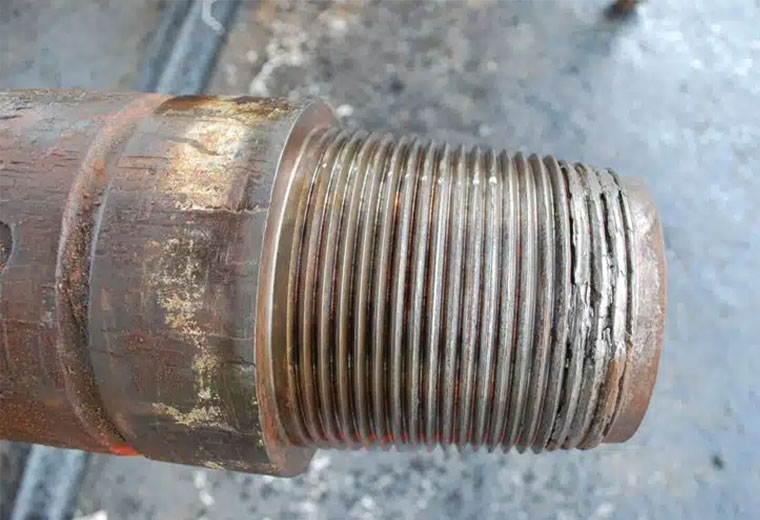
We test in tough conditions not to sound cool in brochures, but because I’ve seen a snapped connector at midnight turn an 8-hour bore into a 16-hour nightmare. Your tools shouldn’t add stress to an already unpredictable schedule.
So… Day or Night?
The real answer: It depends. And that’s what makes HDD so dynamic (and sometimes exhausting).
The best crews — and the smartest project plans — build for flexibility. They’re ready to adapt, whether that means headlamps and thermoses or sunscreen and extra water.
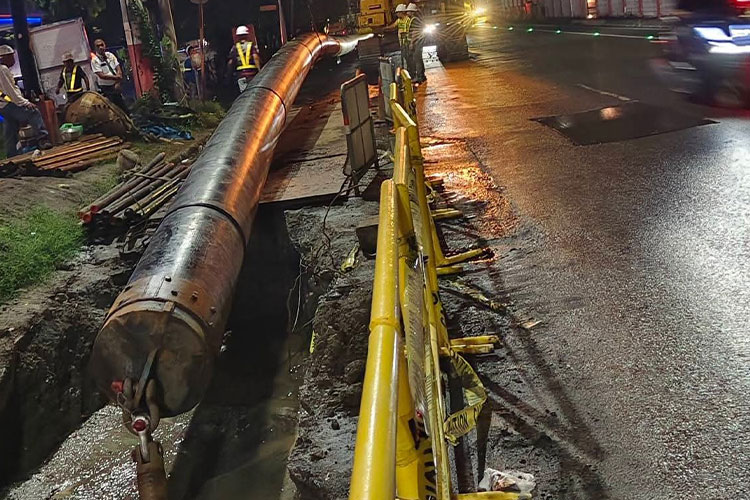
Next time you see a rig lit up under the stars, know there’s probably a story behind it — a permit, a traffic plan, a noisy neighbor, or a tidal chart. And behind that, a crew making it happen while the rest of the world sleeps.
Got a wild day-or-night story from the field? I live for these tales. Shoot me an email or drop a comment.
Keep boring smart — no matter what the clock says.
By Frank
HDD Engineering Sales
RICHDRILL EQUIPMENT CO.,LTD
Share :
Recently Released
- Richdrill HDD What Products Do They Make? A No-Nonsense Guide from a Guy Who Sells Them
- How Many HDD Drill Rods in a 20ft or 40ft Container? An Honest Answer from a Factory Guy
- How to Detect Fake HDD Drill Rods Before They Fail Downhole
- How Stabilizers and Reamers Add Stress to Your HDD Drill Rods (And What You Can Do)
- When to Scrap Your HDD Drill Rods: OD Wear, Wall Thinning and Ovality Limits