That “Hmm, Maybe Not Today” Pilot Bore
You ever show up to a jobsite feeling pretty confident, only to have the ground basically laugh in your face?
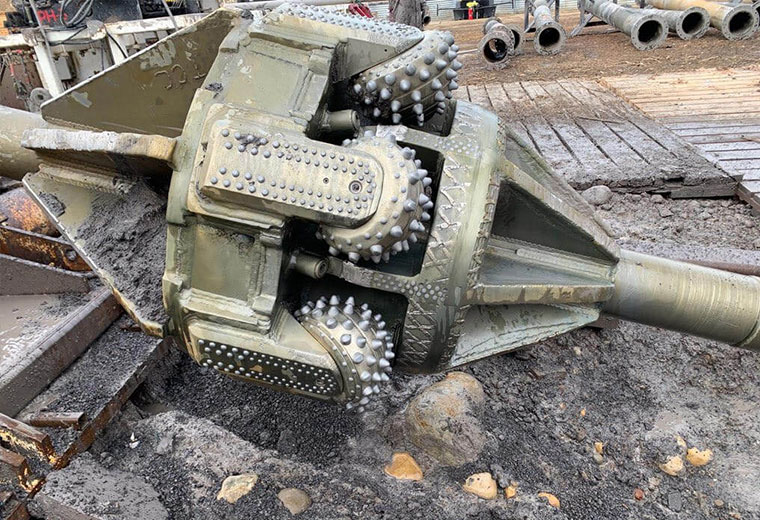
I remember this one job in West Texas. The plan was straightforward: a nice, clean pilot bore for a utility line. We started with a slick-looking PDC bit—everyone’s favorite for soft to medium stuff. Then, about 40 feet in, we hit what I can only describe as “rocky road concrete.” The drill string started shuddering, the penetration rate dropped to almost zero, and our operator just sighed and killed the rotation.
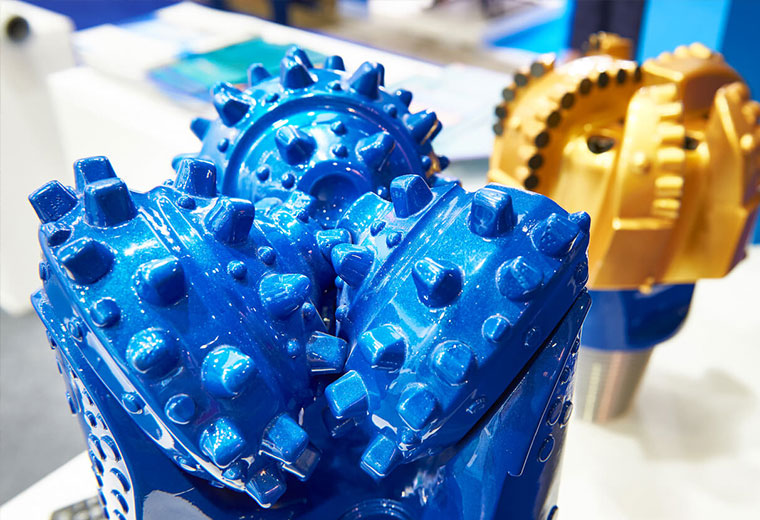
He looked over at me and said, “This is why I keep my old tricones in the truck.”
We switched, and within minutes that familiar, steady rumble was back. The tricone just… handled it. No heroics, no fuss. That’s when it really sank in: sometimes, the ground doesn’t read your geotech report.
So When Do You Call In the Tricone?
I’m not here to tell you tricone bits are for everything. If you’re drilling through nothing but soft clay or loose sand, there are faster, more efficient options. But here’s where they become your best buddy:
- The “Surprise Layer” Special: When your bore profile is layered like a bad cake—sandstone over clay over gravel—and you can’t afford to stop and change bits every 20 feet. Tricone cones roll and crush through transitions better than most fixed-cut bits.
- Cobble City & Broken Rock Zones: Ever hit a patch of river cobbles or fractured limestone? PDC bits can chip or get damaged. Tricones? They tend to roll right over, literally. I’ve seen them chomp through sections that would make other bits retire early.
- When You Need a “Middle Ground” Workhorse: Not the hardest rock, not the softest soil—just a long, mixed, unpredictable bore. A robust tricone bit offers consistency when consistency is hard to come by.
The “But It’s Slower” Argument… And Why It’s Missing the Point
Yeah, I’ll say it: sometimes tricones are slower in pure, soft formations. But speed isn’t just about rotation RPM—it’s about not stopping.
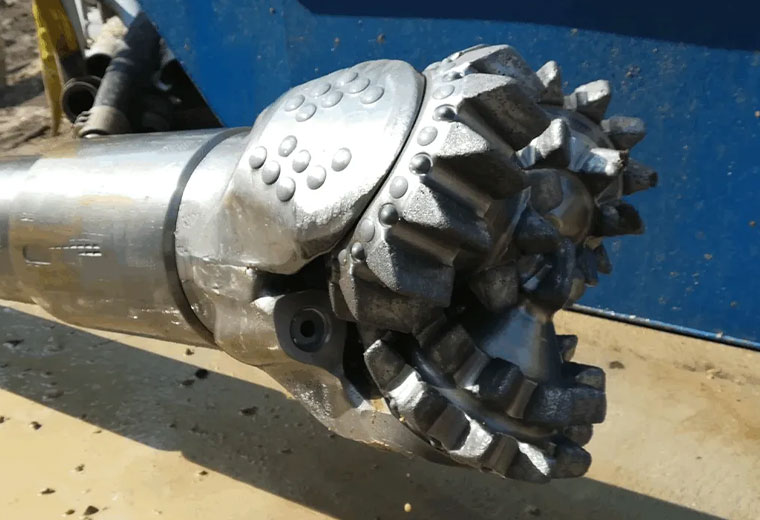
I learned this from a grizzled drill operator named Ray. He told me, “Son, a bit that lasts the whole run is faster than a fast bit you have to change twice.” He was right. On that Michigan job I mentioned last time, we saved maybe an hour total by not having to trip out, break down, and reassemble. In HDD, time saved on tool changes is huge. Less wear on the crew, less risk of a hole collapsing… you get it.
A Quick Word on Picking the Right One (No Textbook Talk, Promise)
Even within tricones, there’s a world of difference. I’m not gonna bore you with a catalog—just a couple of real-world takeaways:
- Teeth matter: Milled teeth for softer, abrasive stuff; tungsten carbide inserts (TCI) for harder, fractured rock. It’s like shoes—you wouldn’t wear hiking boots to the beach.
- Bearings are the heart: A good sealed bearing system is what keeps it turning when things get hot and dirty. I’ve seen bits retired not because the teeth were gone, but because the bearings gave up.
- Talk to your crew: The guy running the rig often has a sixth sense for what the ground feels like. If he suggests a tricone, listen.
The Takeaway? It’s About Having the Right Tool for a Moody Job
At the end of the day, HDD isn’t a lab experiment. The ground changes, reports can be optimistic, and the best tool is often the one that gets you to the other side without drama.
For me, tricone bits are like a reliable backup singer—they might not always get the solo, but when the music gets gritty, you’re glad they’re on stage.
Next time your bore path looks like a geology rollercoaster, maybe toss a tricone in the toolbox. It might just be the steady hand you need.
What about you? Ever had a moment where switching to a tricone saved the day? Or maybe a time it didn’t? I’d love to hear your stories—drop me a line sometime.
Keep drilling smart,
By Frank
HDD Engineering Sales
RICHDRILL EQUIPMENT CO.,LTD
Share :
Recently Released
- Richdrill HDD What Products Do They Make? A No-Nonsense Guide from a Guy Who Sells Them
- How Many HDD Drill Rods in a 20ft or 40ft Container? An Honest Answer from a Factory Guy
- How to Detect Fake HDD Drill Rods Before They Fail Downhole
- How Stabilizers and Reamers Add Stress to Your HDD Drill Rods (And What You Can Do)
- When to Scrap Your HDD Drill Rods: OD Wear, Wall Thinning and Ovality Limits